












Background
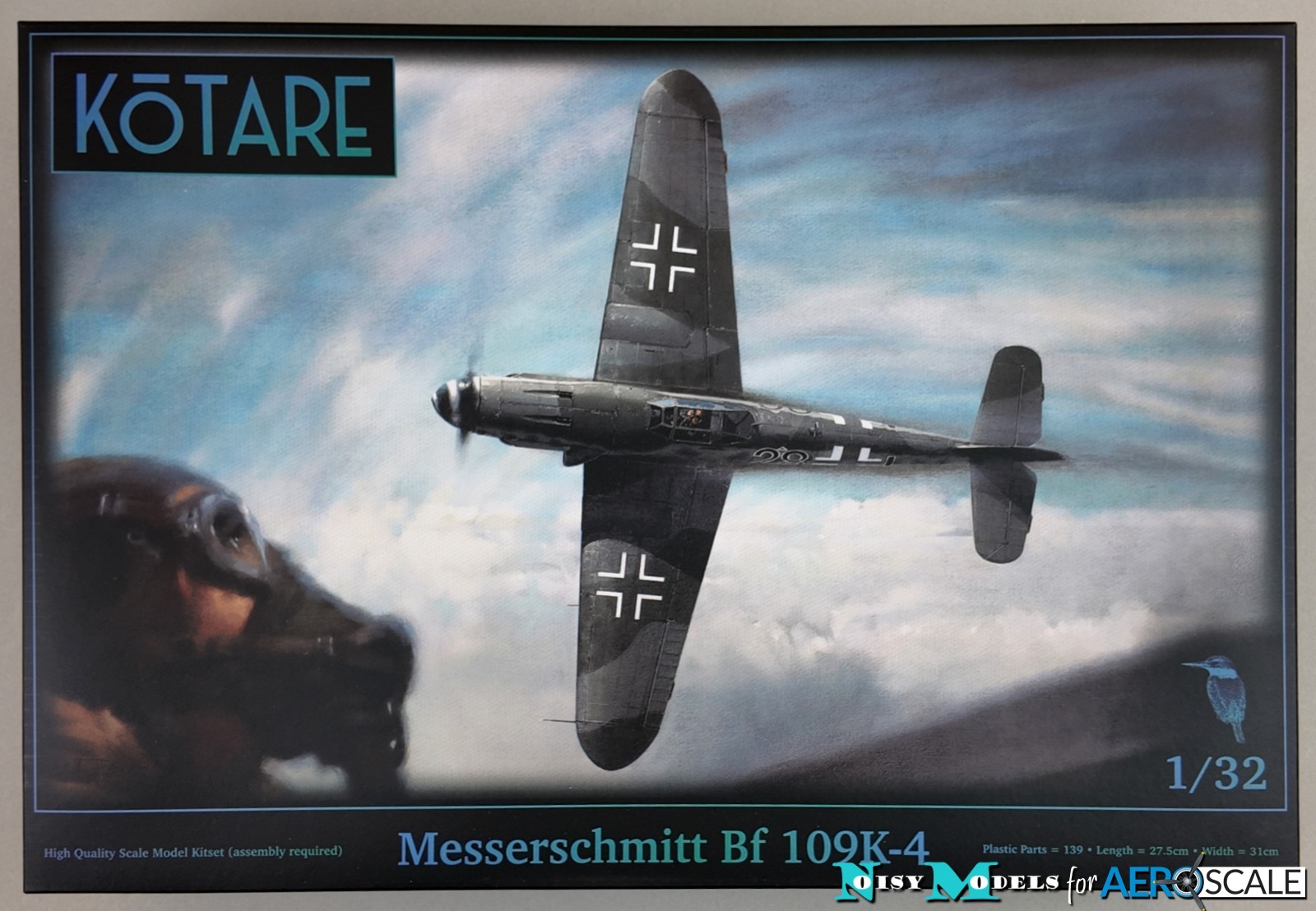
The Bf 109K was produced in an effort to straighten out the tangle of Bf 109G variants that were in production in the autumn of 1944, combining the latest refinements into a single, standardised version that would simultaneously try to close the performance gap that was apparent when compared with late-war Allied piston-engined fighters. Of the projected 'K series, the Bf 109K-4 was the only variant to reach mass production.
The Kurfürst introduced (or re-introduced) a number of features that included outer wheel covers and a retractable tail wheel, with some airframes sporting aileron trim tabs. Standard armament comprised a 30mm MK 108 cannon firing through the spinner, supplemented by a pair of 13mm MK 131s mounted above the engine. A Daimler-Benz DB 605 DB/DC was fitted, driving a broad-blade propeller, and it could use MW 50 methanol-water injection to produce around 1,775 hp and giving the aircraft a top speed of around 440mph.
While the Bf 109K-4 Kurfürst was theoretically comparable with the Allied fighters that it faced, the catastrophic situation in Germany at the end of the war meant that it was hamstrung by shortages of materials and falling production standards, the latter due in large part to the Nazis' increasing reliance on slave labour. Many of the victims of this died as a result of the appalling treatment they suffered.
Even if Kurfürsts reached operational units in airworthy condition, they were starved of fuel and all too often placed in the hands of neophyte pilots who stood little chance against the overwhelming numbers of better trained and experienced Allied opponents.
Reliable production records for the Bf 109K-4 were lost amid the destruction in the chaos that followed the collapse of Nazi Germany. I've seen widely different estimates of how many were produced, ranging from around 750 to almost twice that figure. Whatever the number, they could do little to alter the outcome of the war in Europe.
Parts
Kotare's Bf 109K-4 arrives in a sturdy and very classy top-opening box with each runner bagged separately for protection in transit. Everything in my kit was in perfect condition when it reached me.
The kit comprises:
119 x grey styrene parts (plus 7 not used)
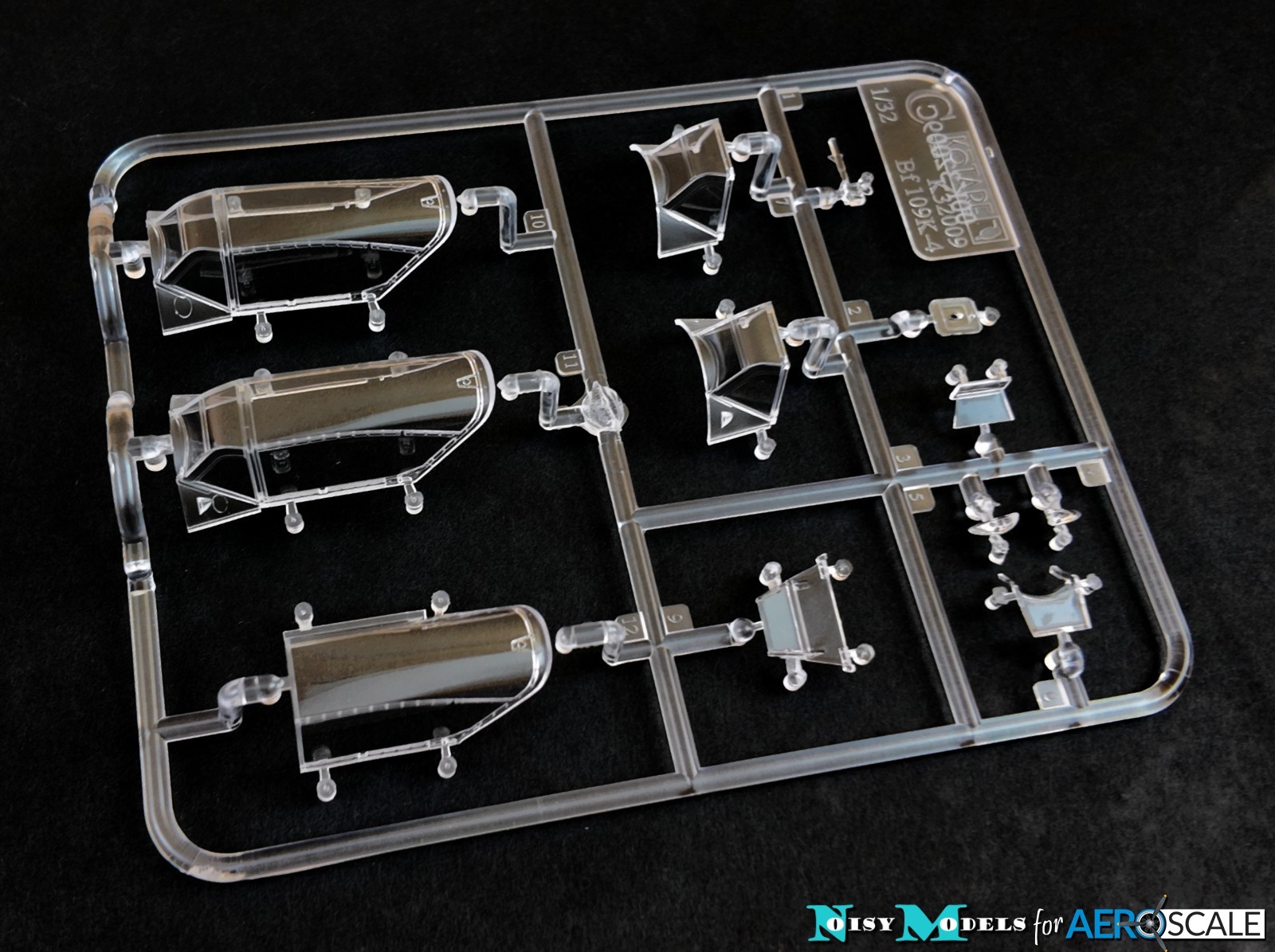
12 x clear styrene parts
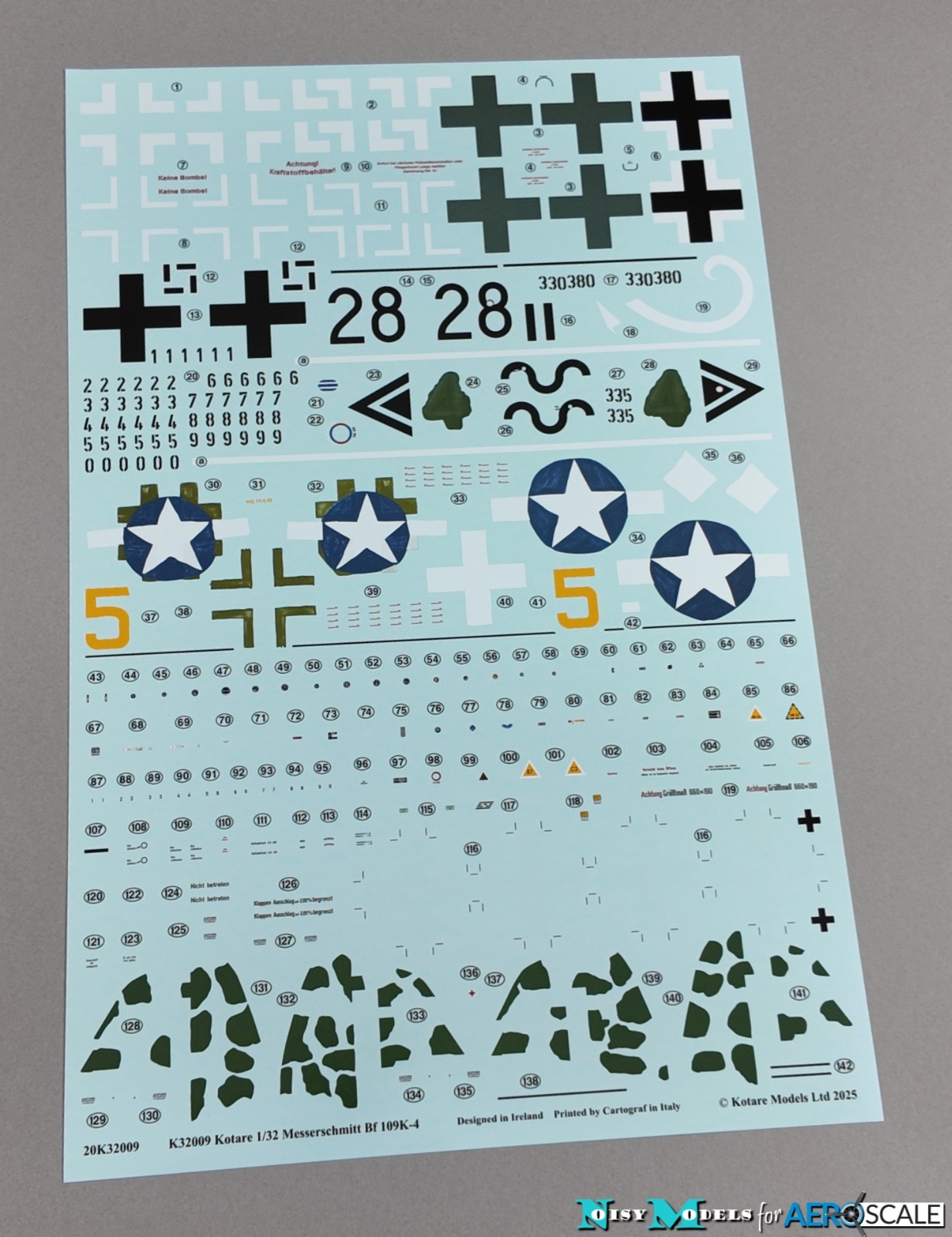
Decals for 3 x colour schemes (plus one variation)
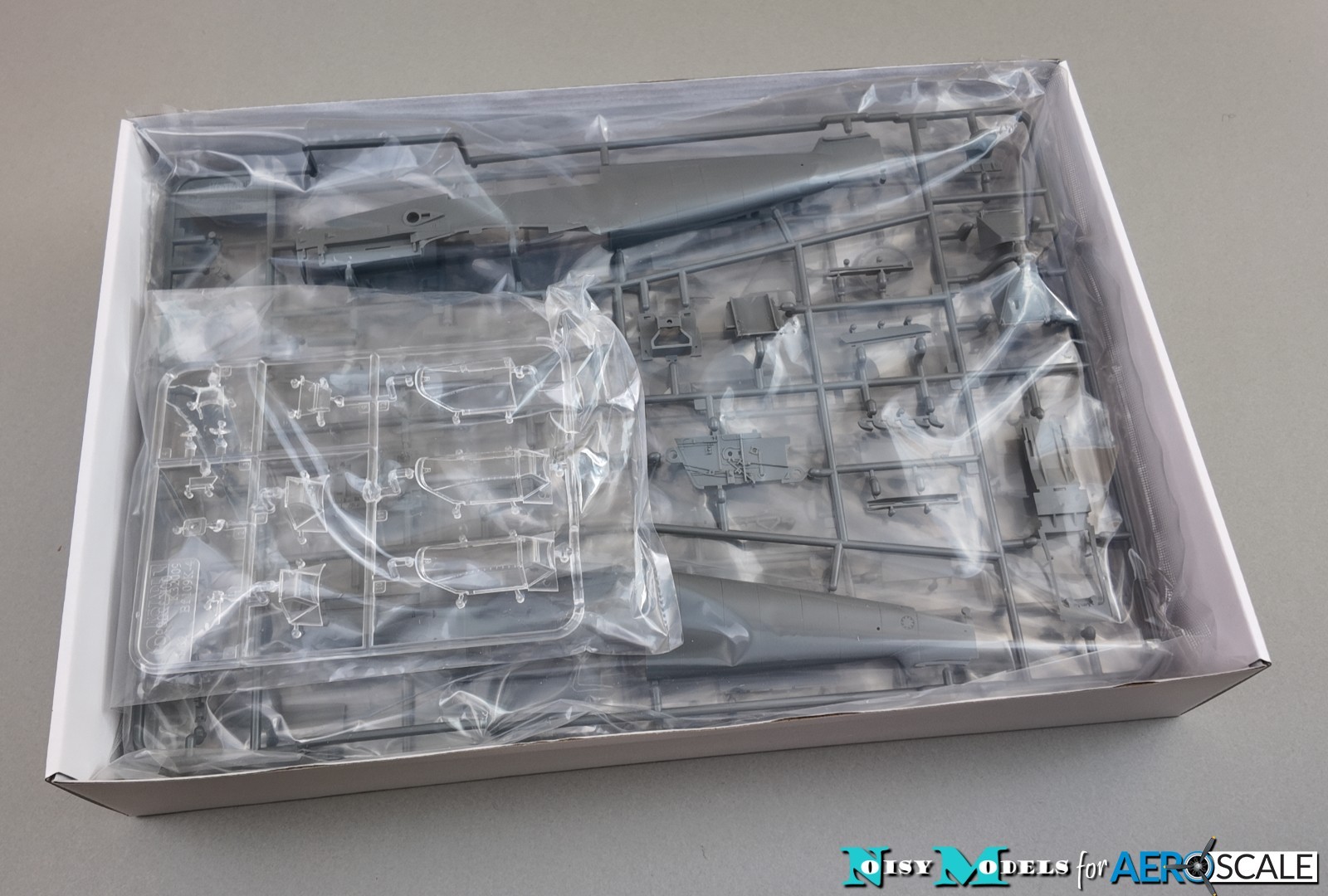
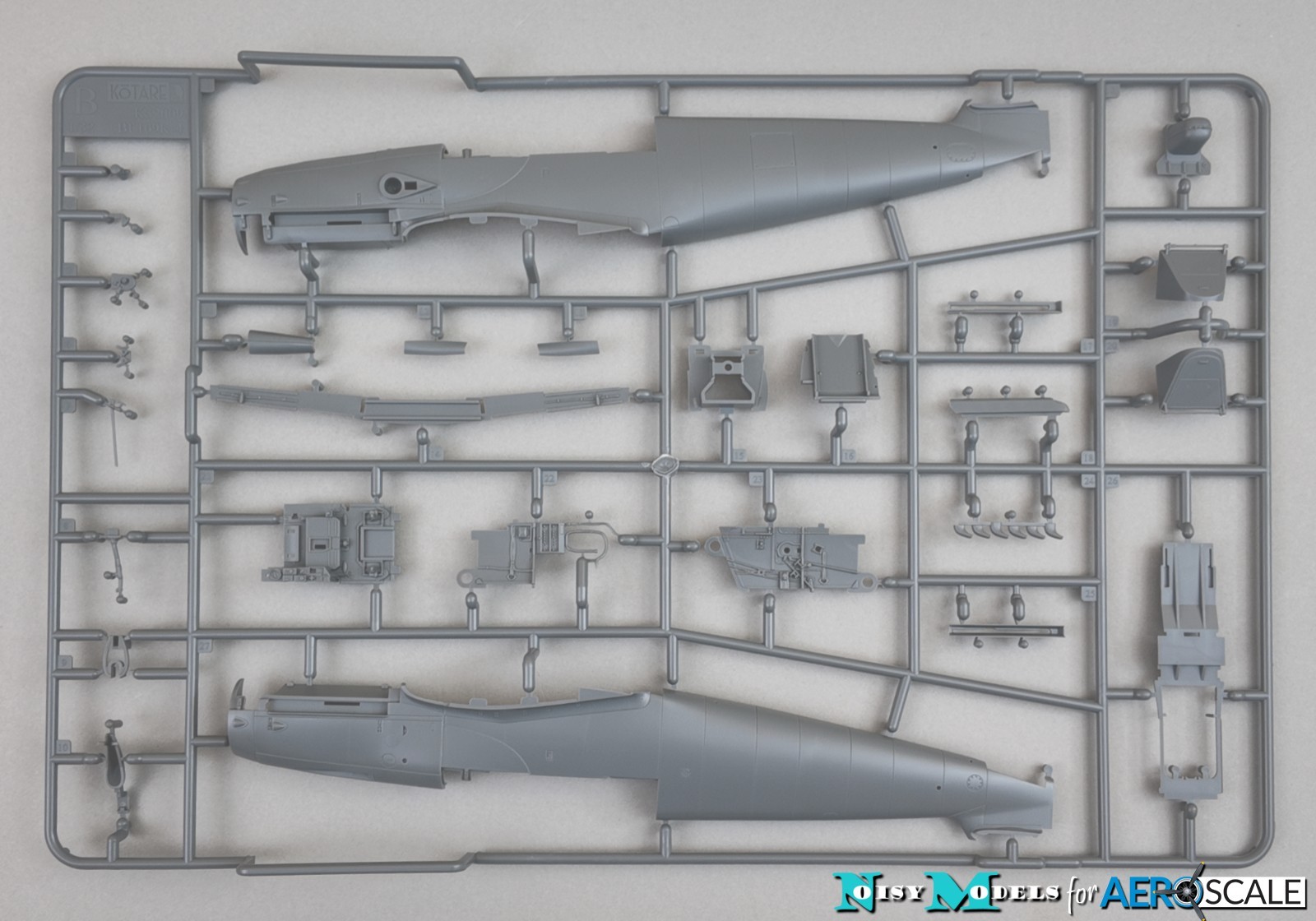
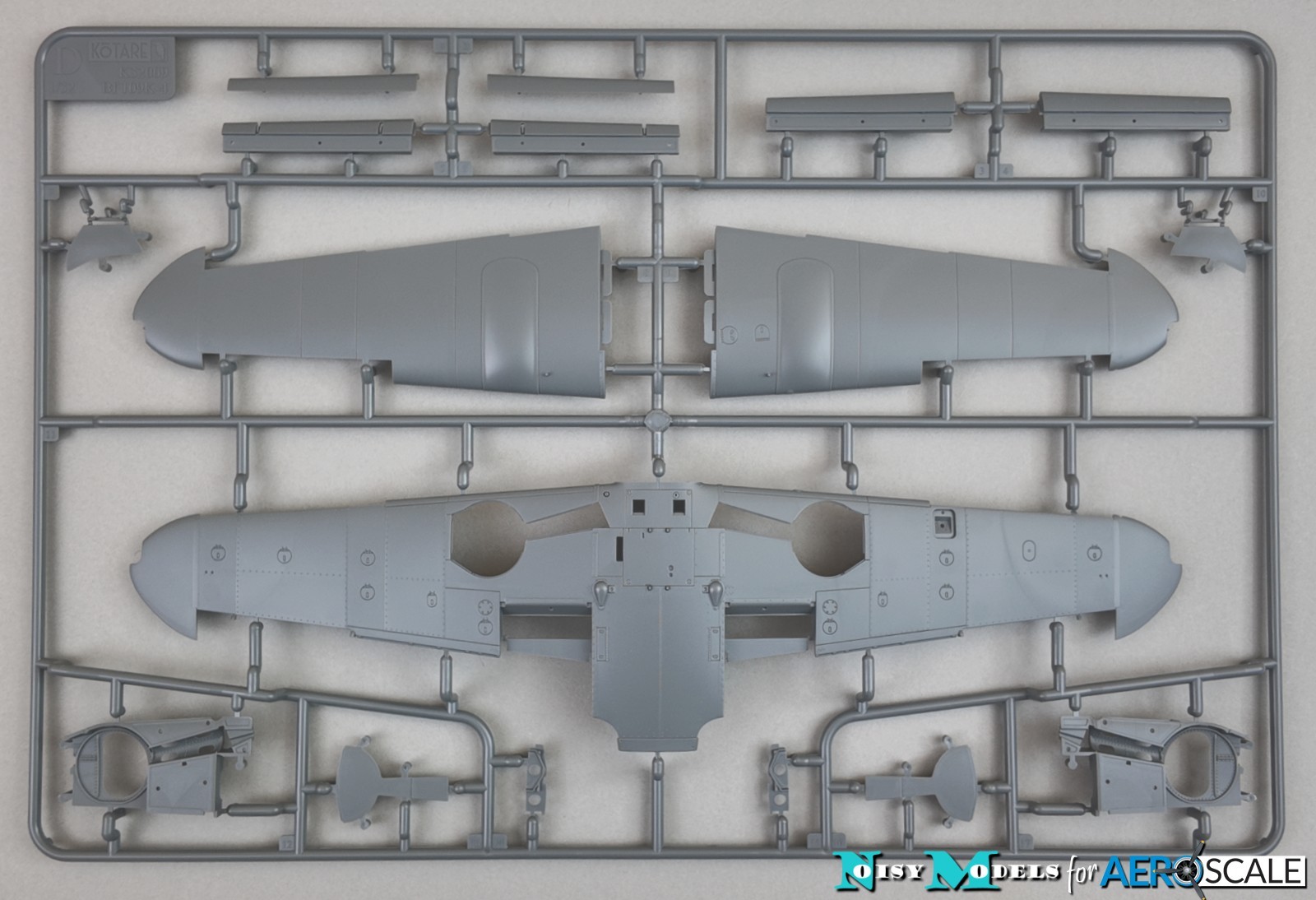
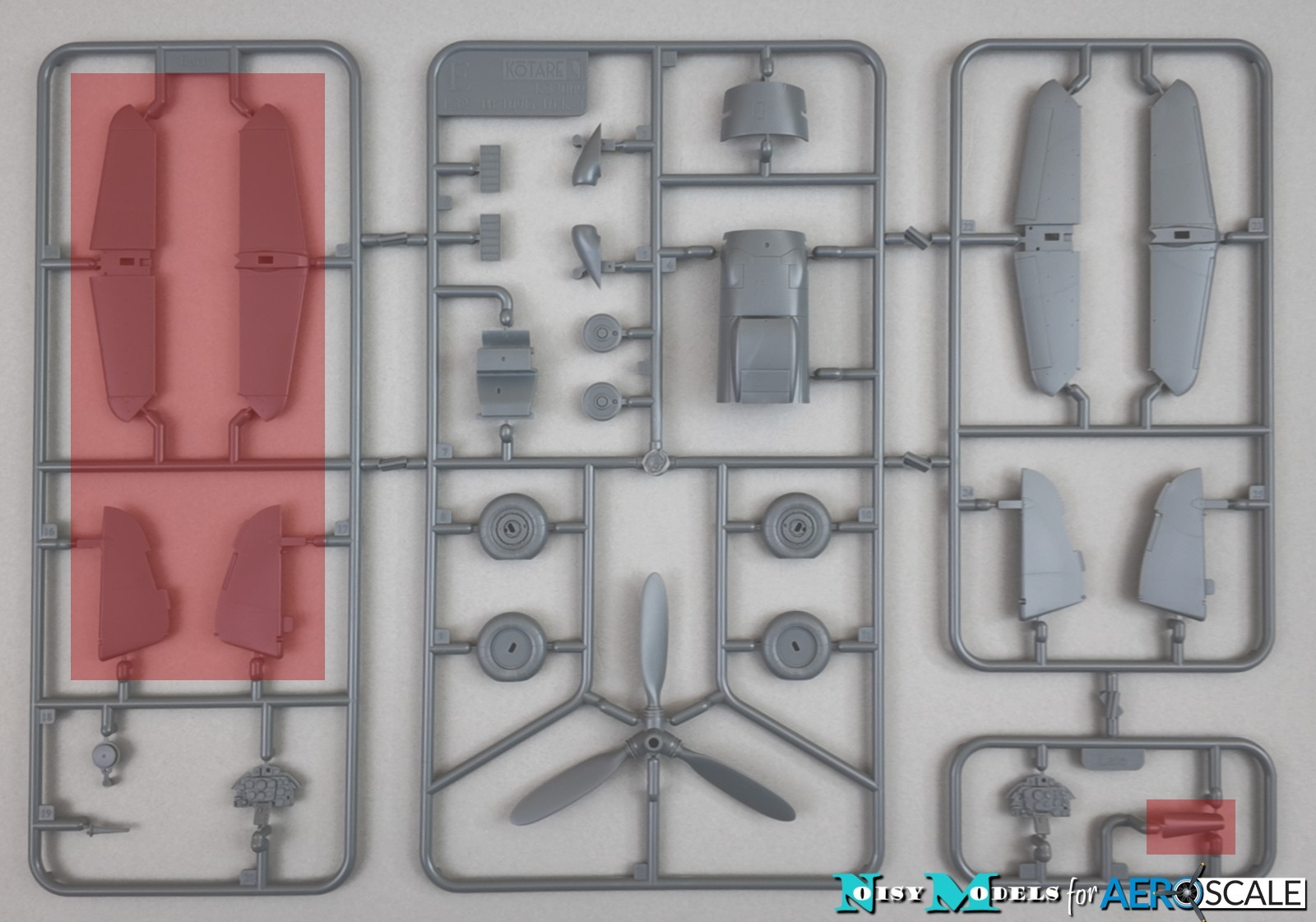
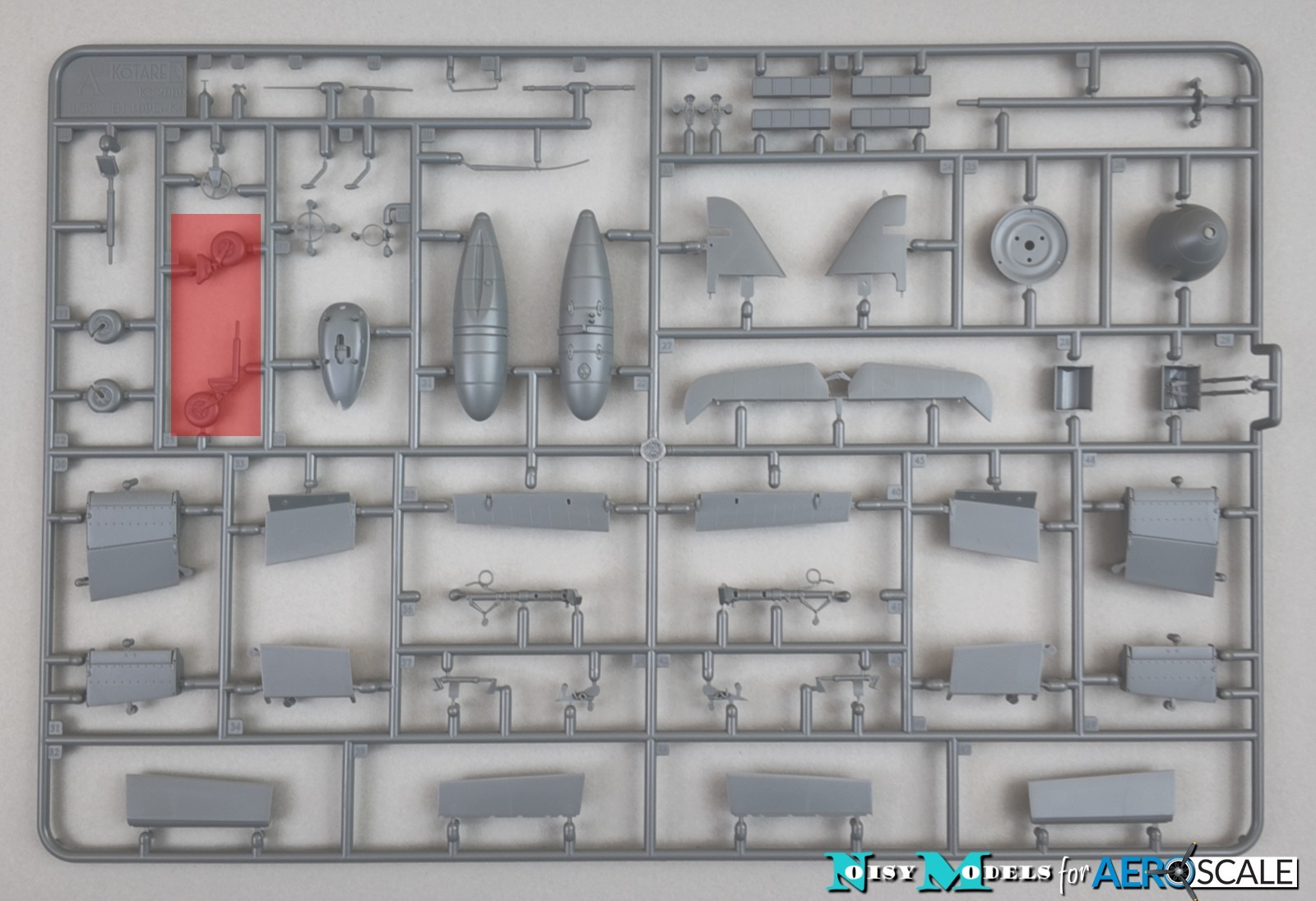
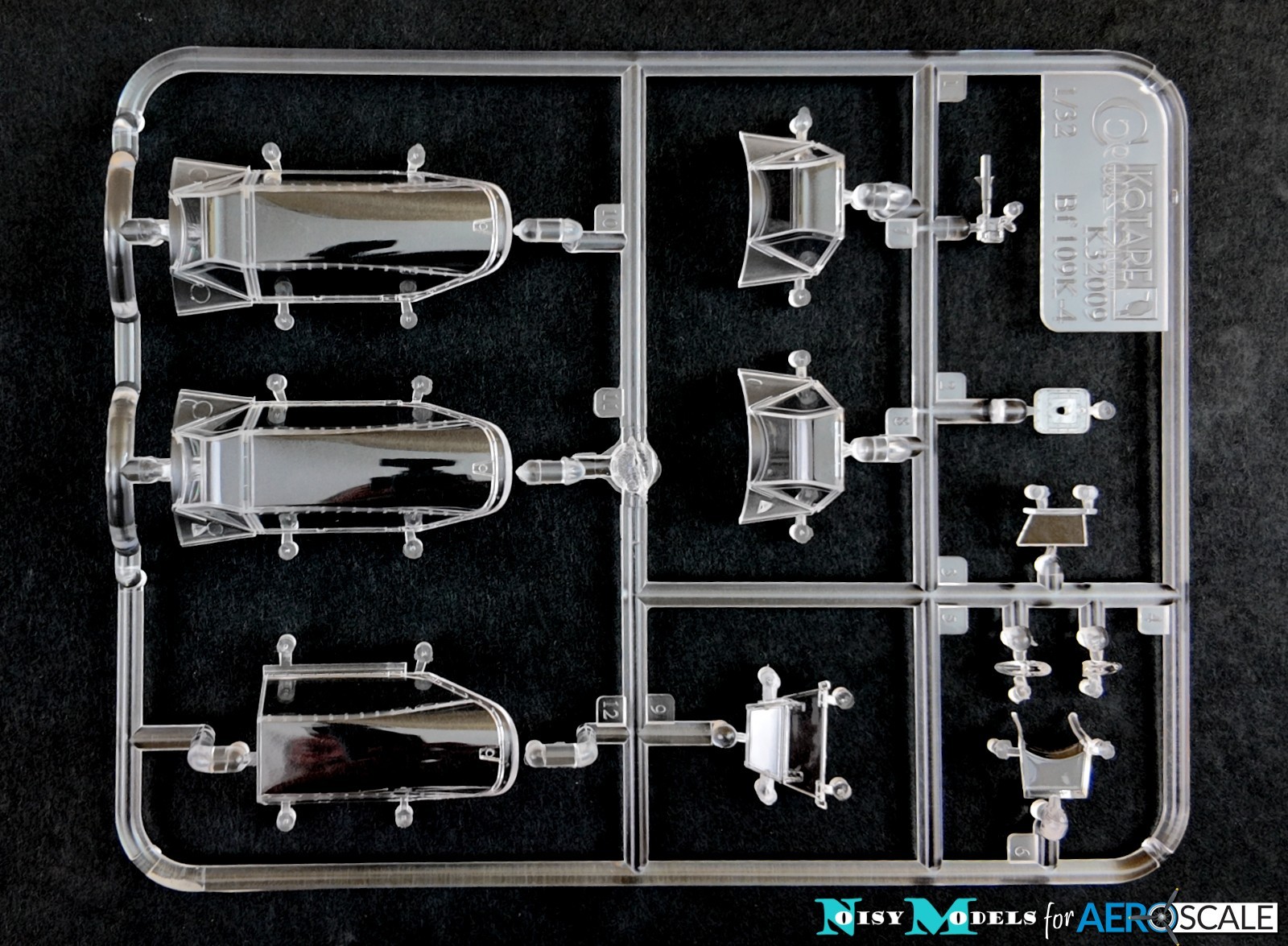
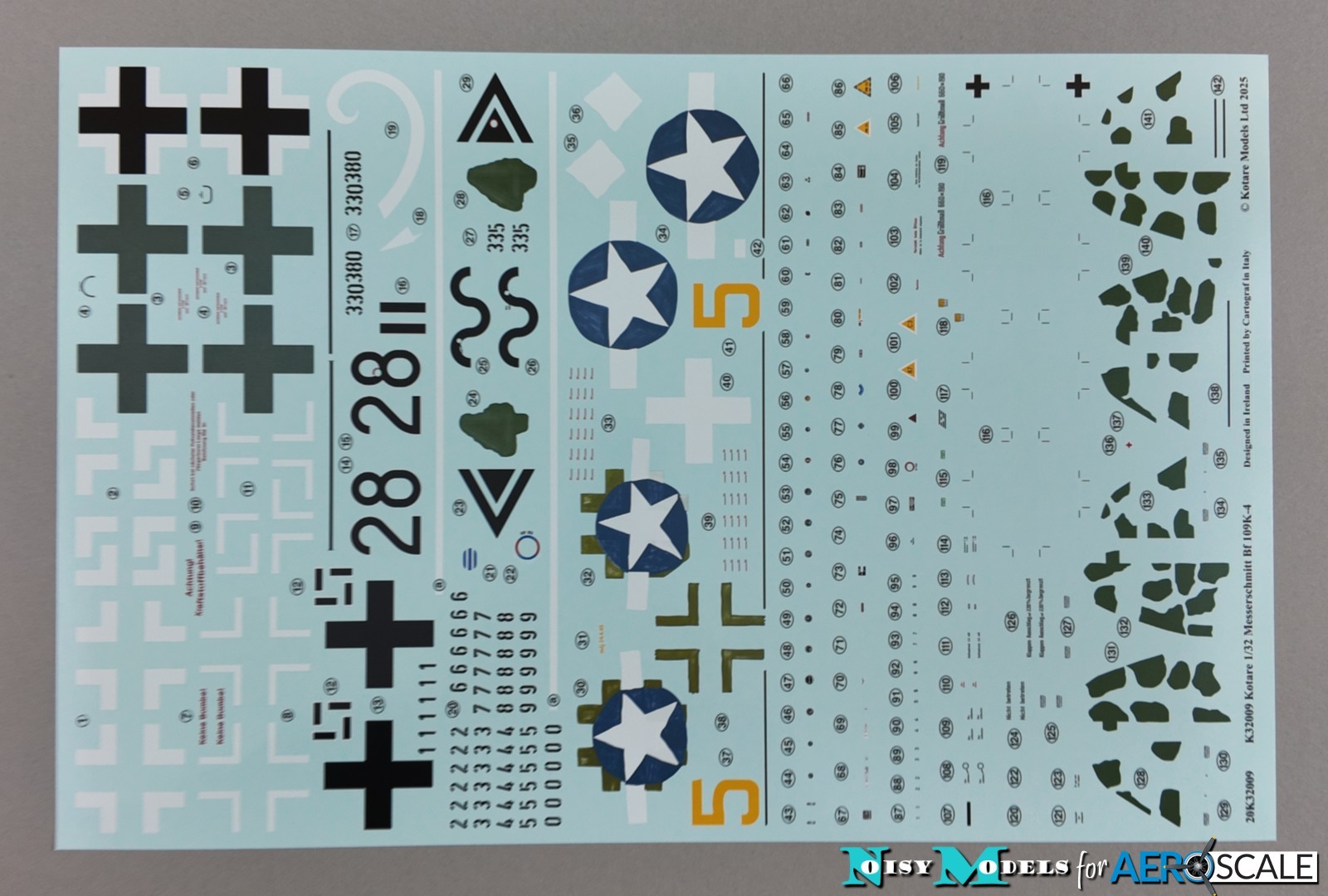
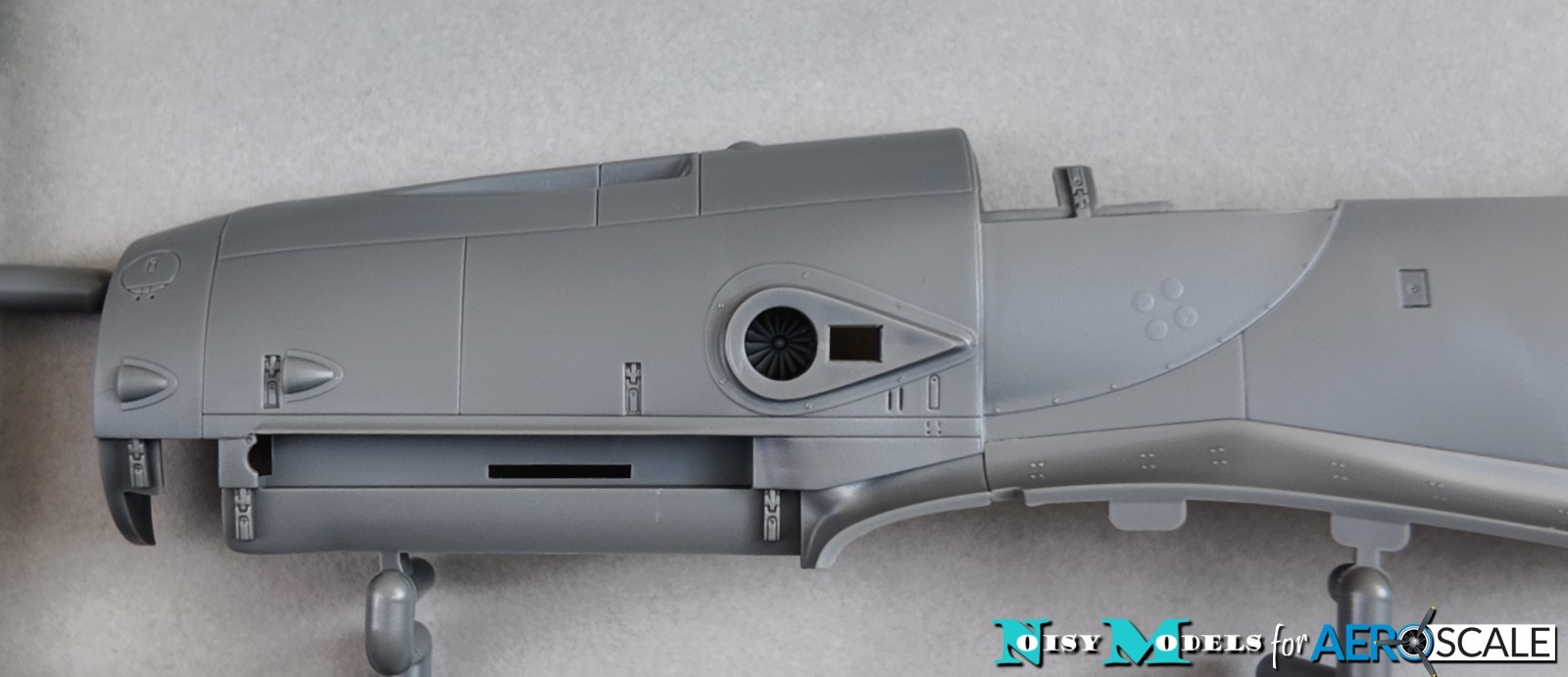
As you'll expect from Kotare, the kit is beautifully produced, with crisp moulding throughout and no problems with flash or sink marks. The parts count is relatively low for modern 1:32 kit, but it is absolutely packed with exceptional detail.
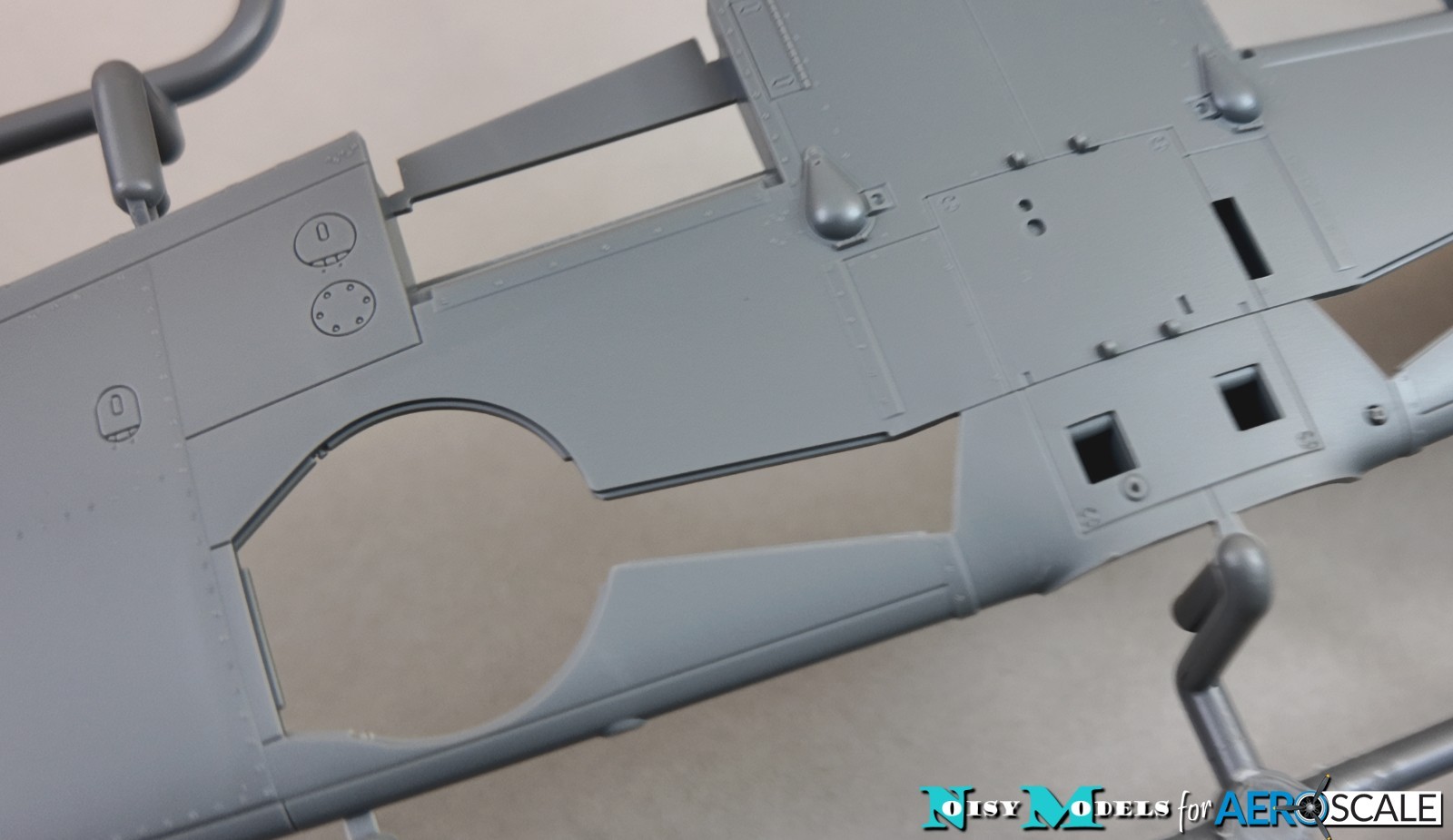
The overall external finish is very restrained, so you won't find the airframe covered in rivets. This might surprise modellers who've grown accustomed to them in recent years, but it's probably the most accurate reflection of the way the full-sized aircraft was built, using filler putty extensively to produce a smooth surface prior to painting. The option is always there to emboss rivets if you desire, but I always take the view that it's preferable to be able to add something like that, rather than have the chore of removing it if it's been overdone in the first place.
So, the finish on the metal parts of the airframe comprises crisp panel lines, with some overlapped panels, embossed screws and fasteners and a neatly represented hinge along the top of the engine cowling.
The fabric covered control surfaces are very subtly handled - drum-tight with lightly raised lines for the ribs. There's no representation of rib tapes - but again, these are often far too heavily done in kits, so I prefer it this way. I may add strips of decal to depict them, as that creates a good scale appearance under a coat of paint in my opinion.
Dry Assembly
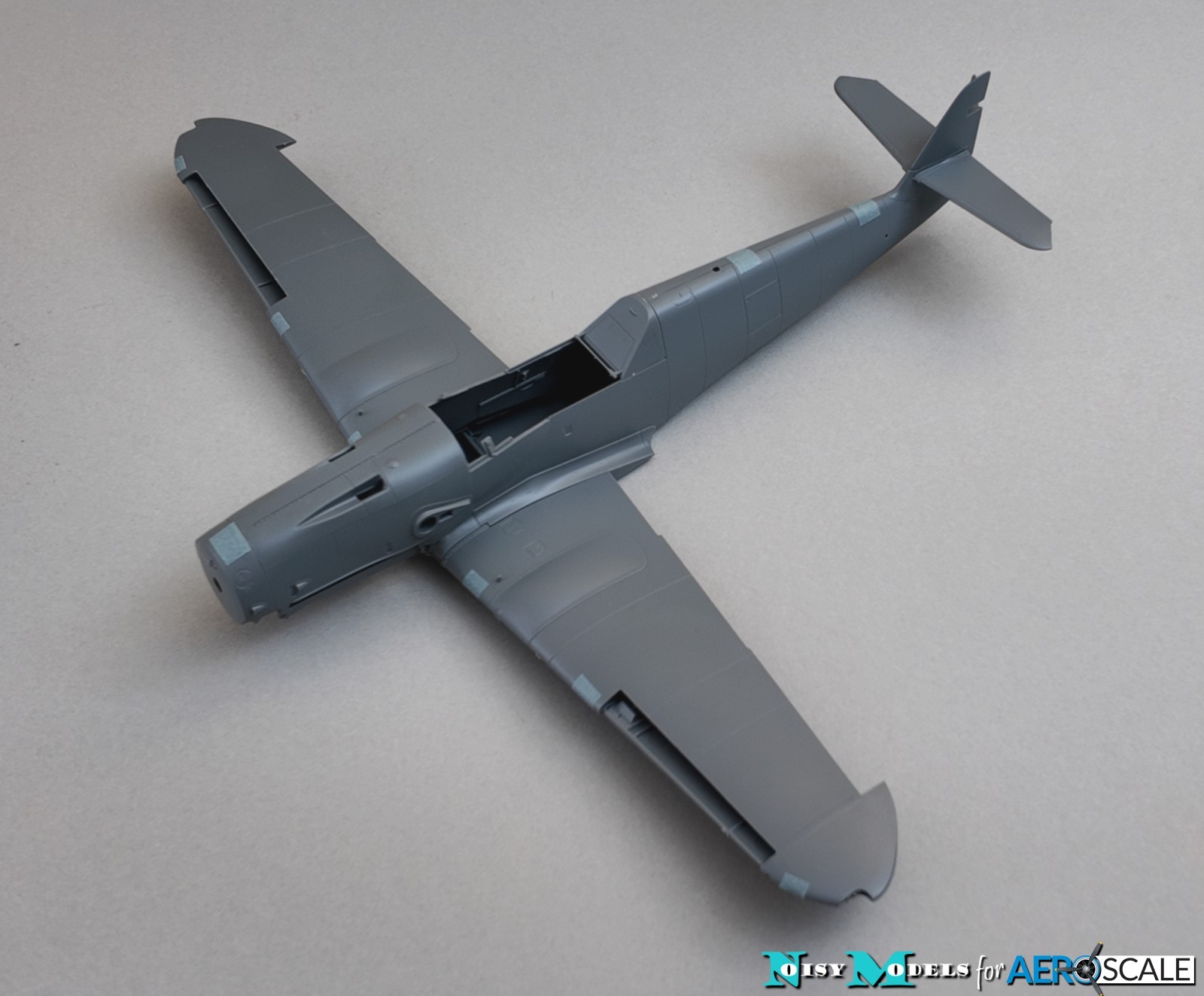
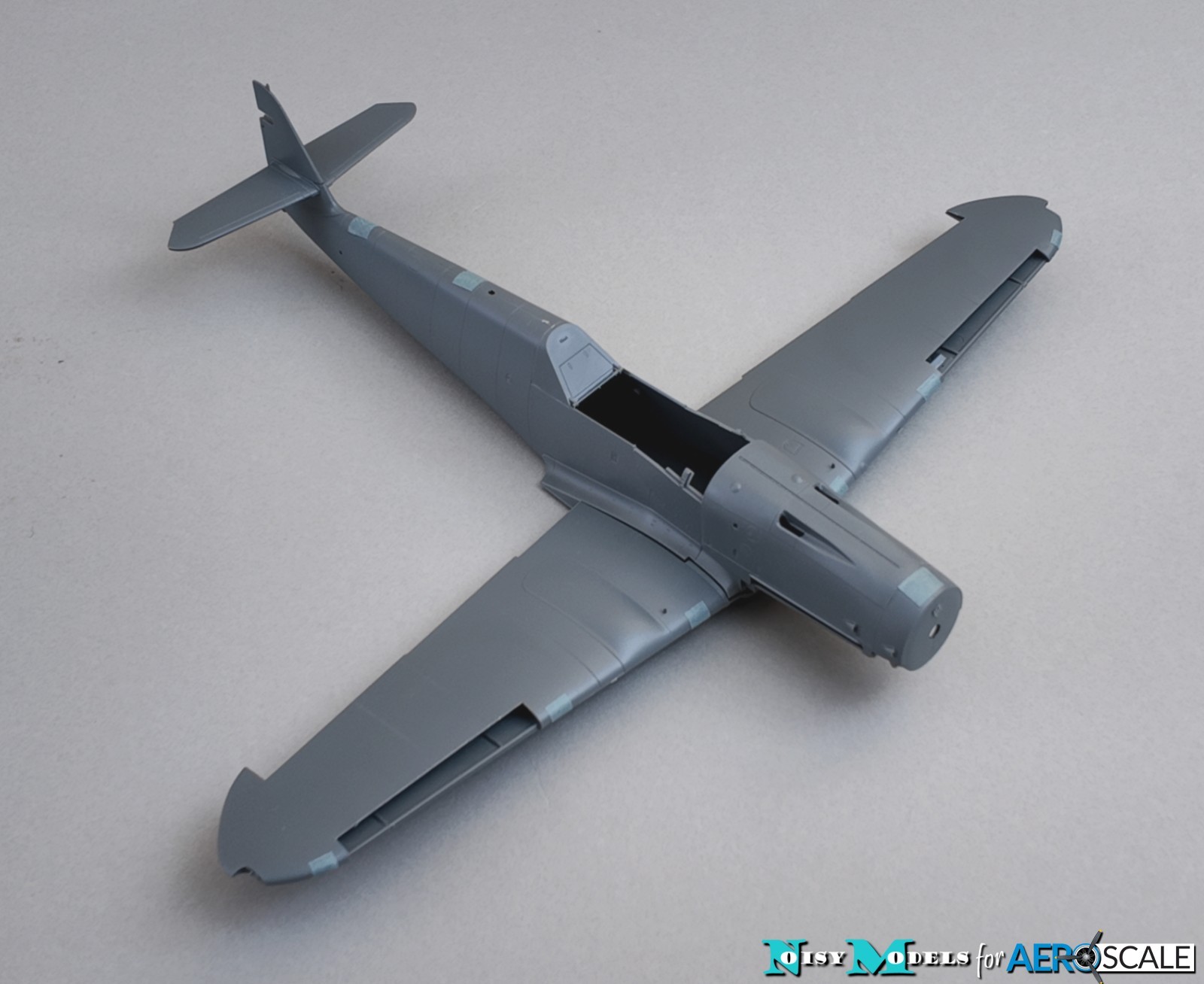
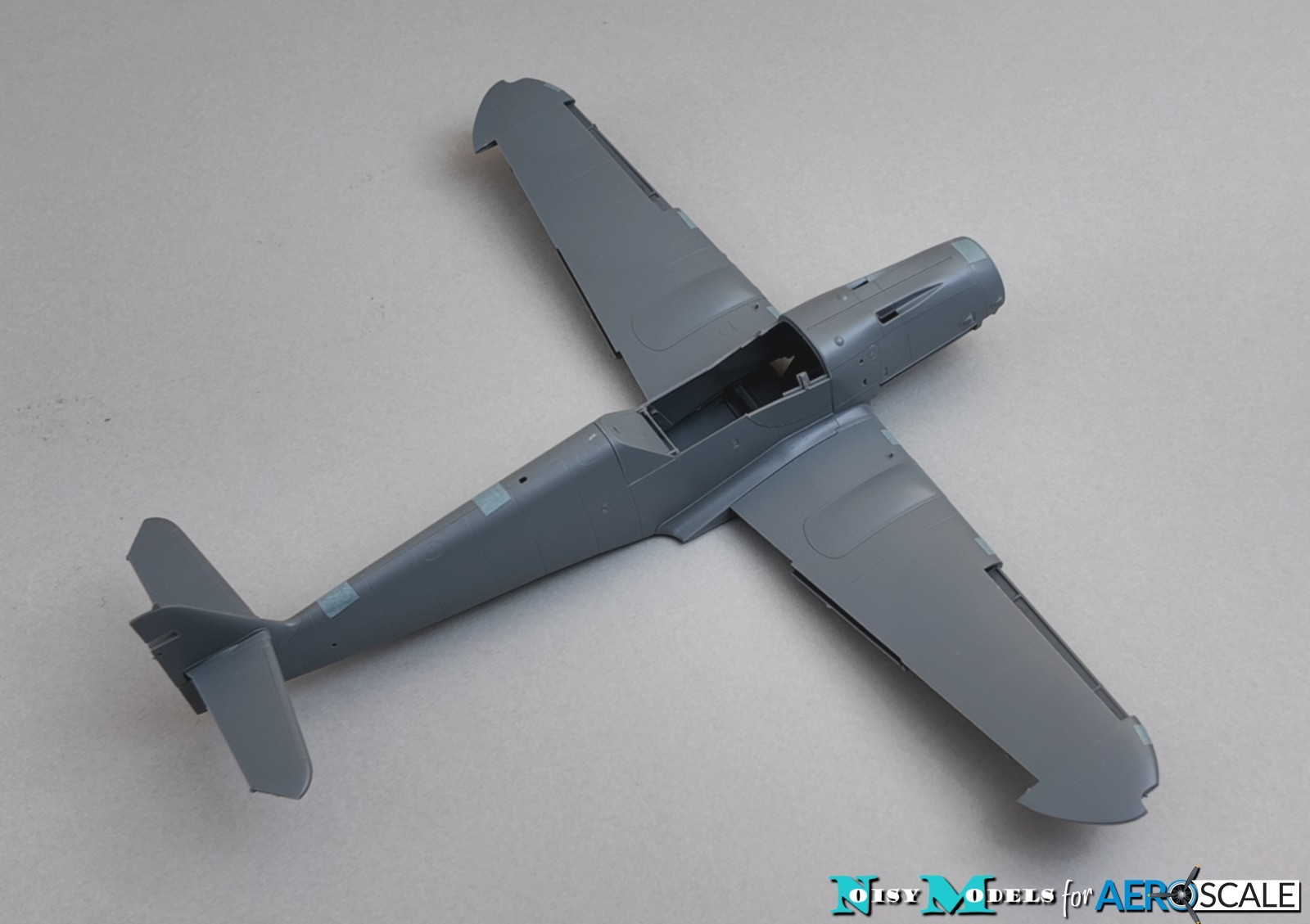
I test-fitted the main parts of the airframe and, as expected, found no issues. They are moulded in excellent quality styrene that is easy to cut and sand - not brittle, and showing no tendency to tear.
The runner attachments are sometimes on the gluing surfaces, so a few moments preparation is required, but it's plain sailing after this, and the fuselage halves line up perfectly. A separate section slots in behind the cockpit, and its fit is precise with the seams falling along full-size panel lines. With care, it will blend in perfectly.
The fit at the wing roots is also excellent, with tabs on the fuselage slotting into the wings to keep everything tight.
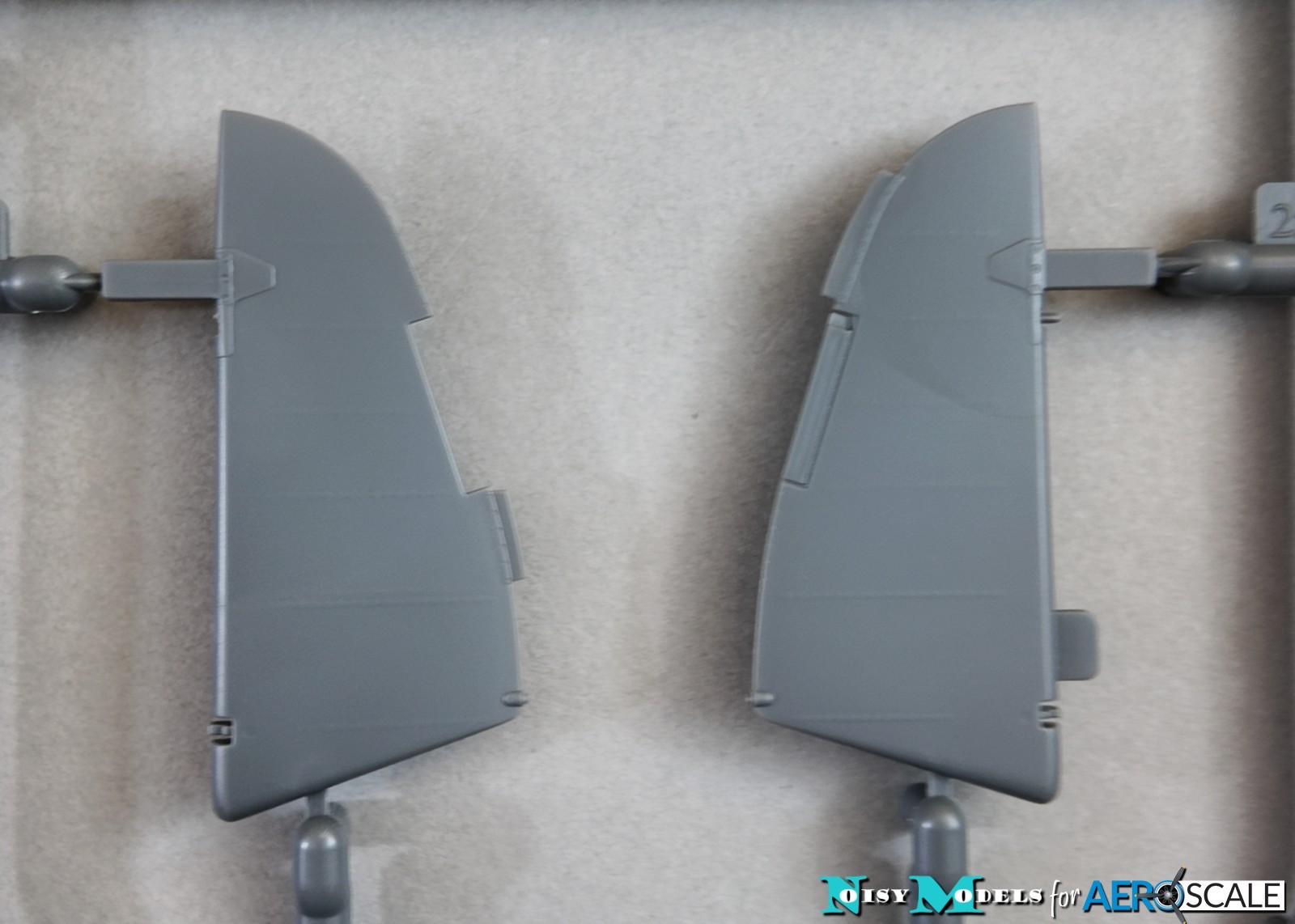
The full-span tailplane and top of the fin clip in place easily and precisely to sit square and true.
Based on this basic test-fit, I don't foresee any problems with the assembly which promises to be straightforward and enjoyable.
A Few Details
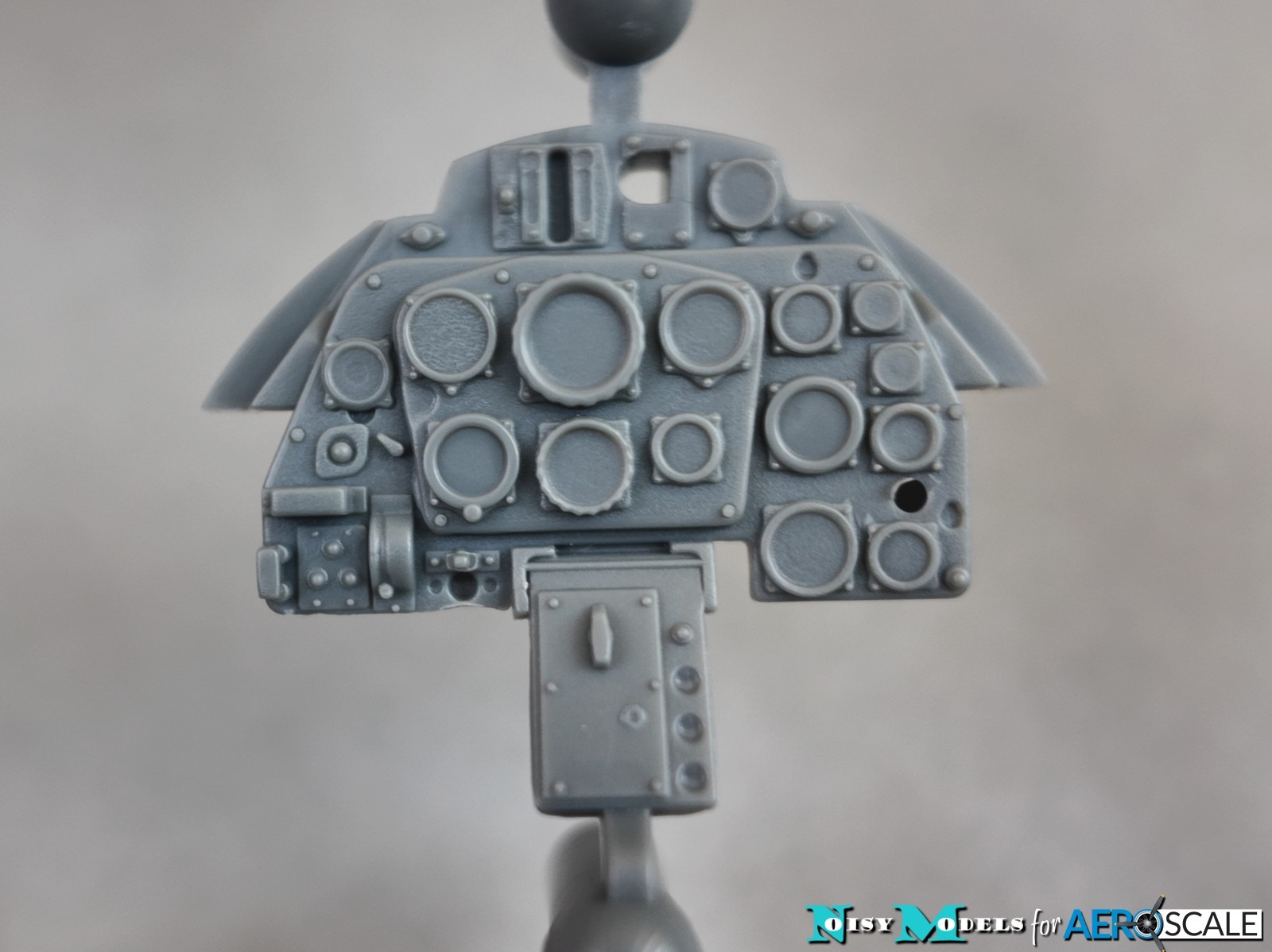
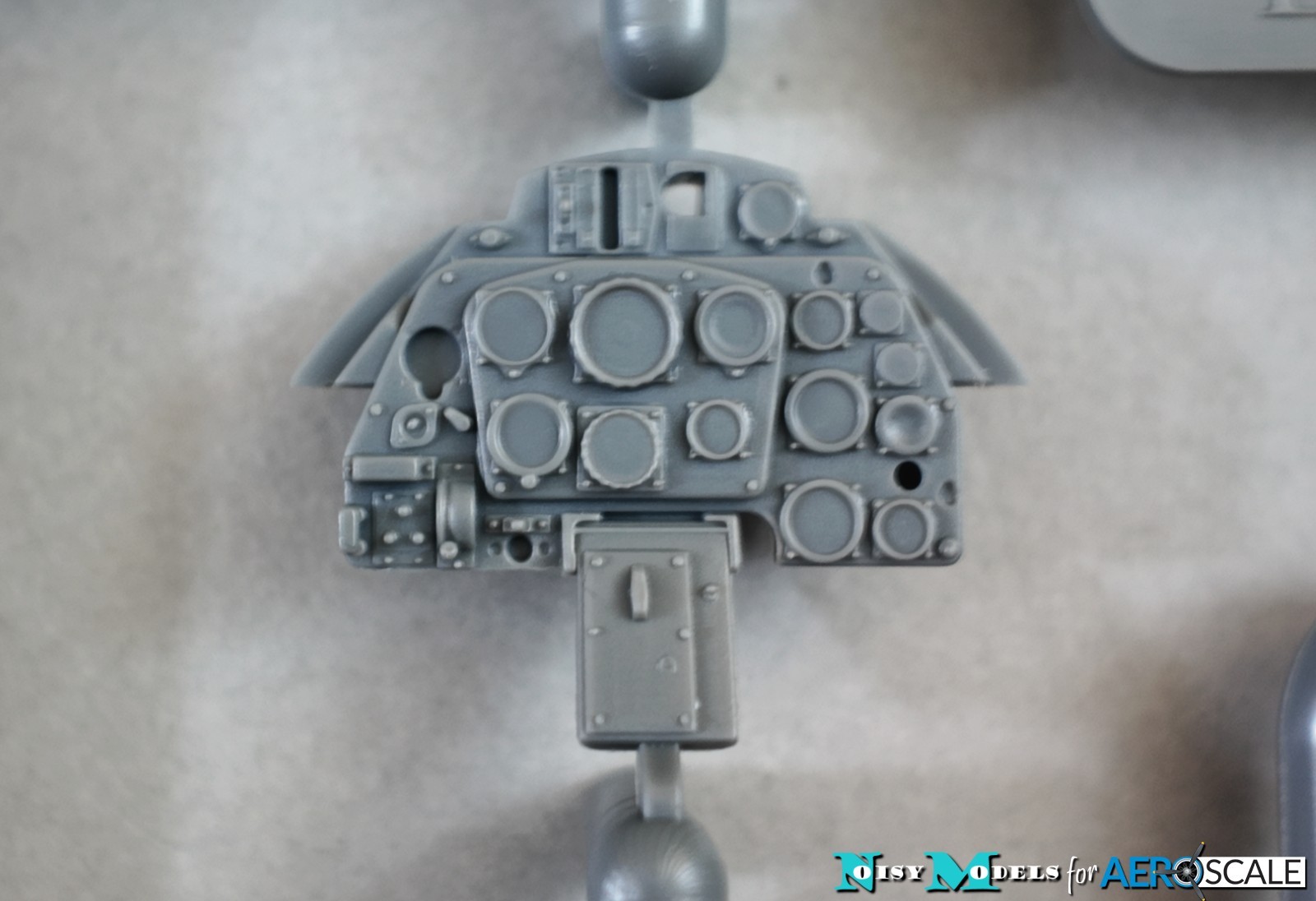
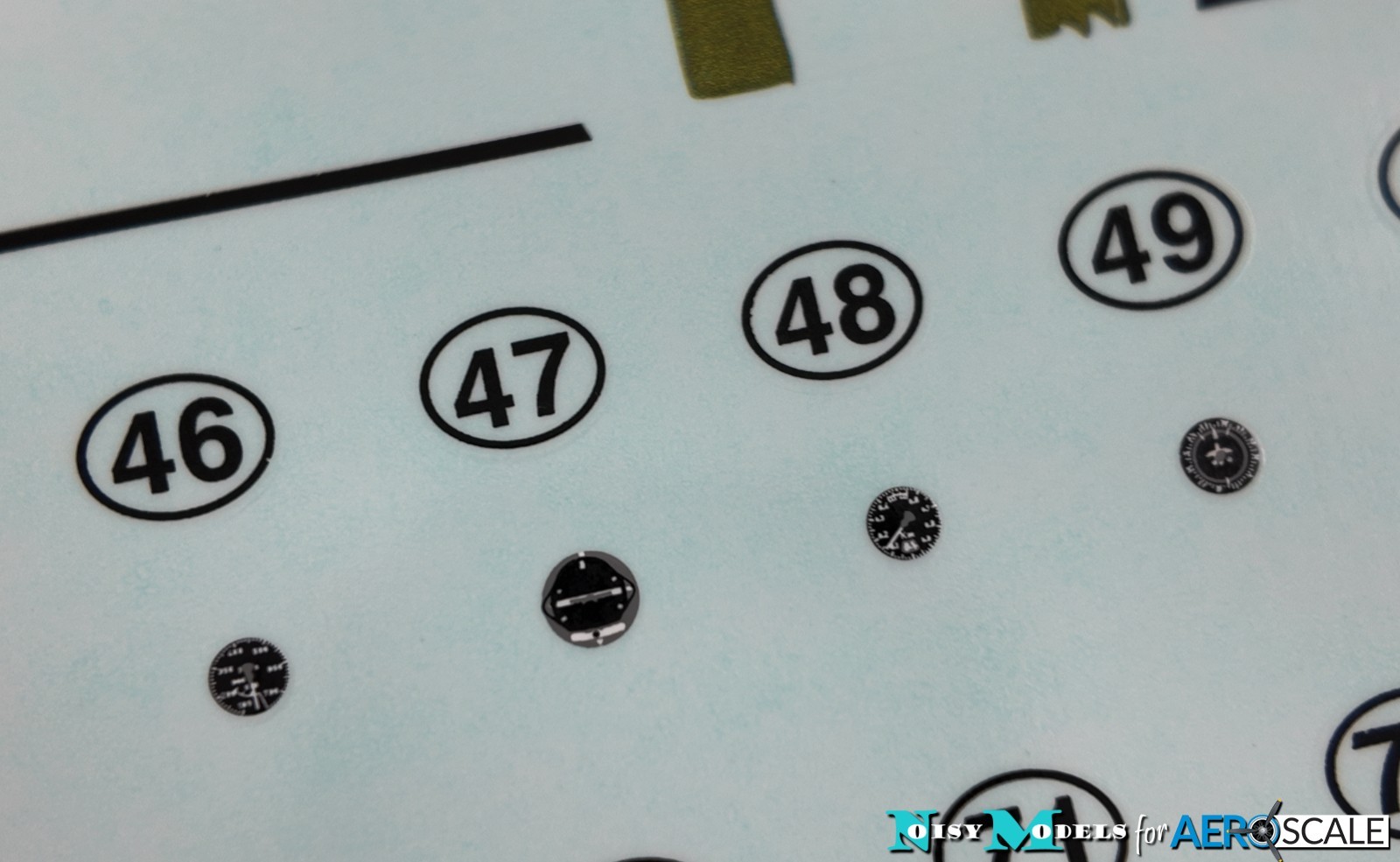
Working through the instructions, construction begins logically enough with the cockpit, starting with the instrument panel. A choice of two is provided, the only difference being whether a clock was installed on the left hand side of the panel. The detail is superb, with crisply defined bezels, switches and buttons. To "populate" the panel, every instrument is represented by an individual for the face, and added to that are ammunition counters and small data placards.
The registration of the decals is pin-sharp and they are printed without excess carrier film so they will fit in the bezels neatly. With over 20 decals to apply, this isn't a job to rush. Kotare presented the panel for their Spitfire in the same way and I split the process of applying the decals over several sessions, allowing the previous items to snuggle down and dry before moving on. So, it took a while, but the result was fantastic - easily on a par with aftermarket panels - and I finished the job with a drop of varnish to "glace" each instrument.
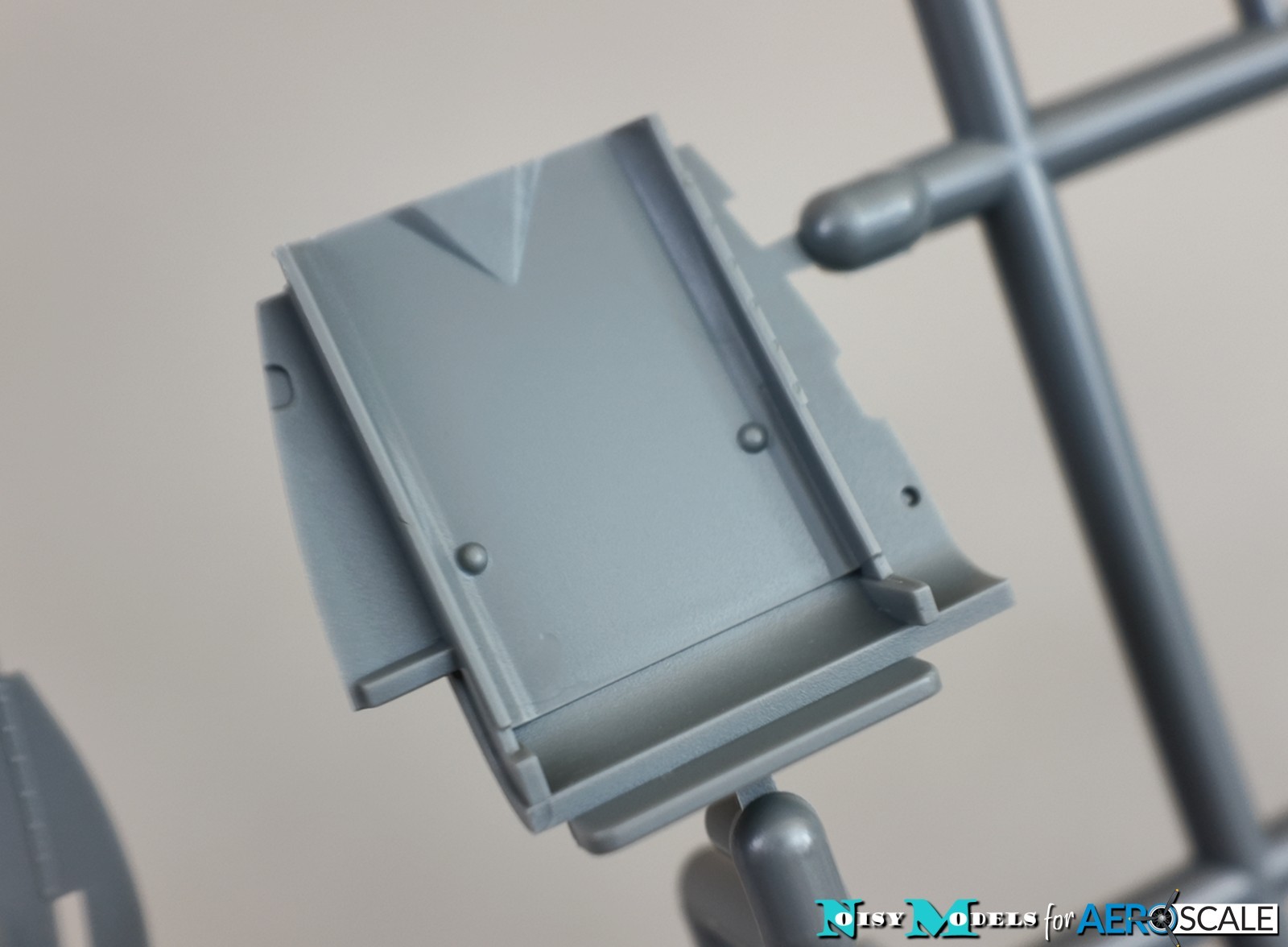
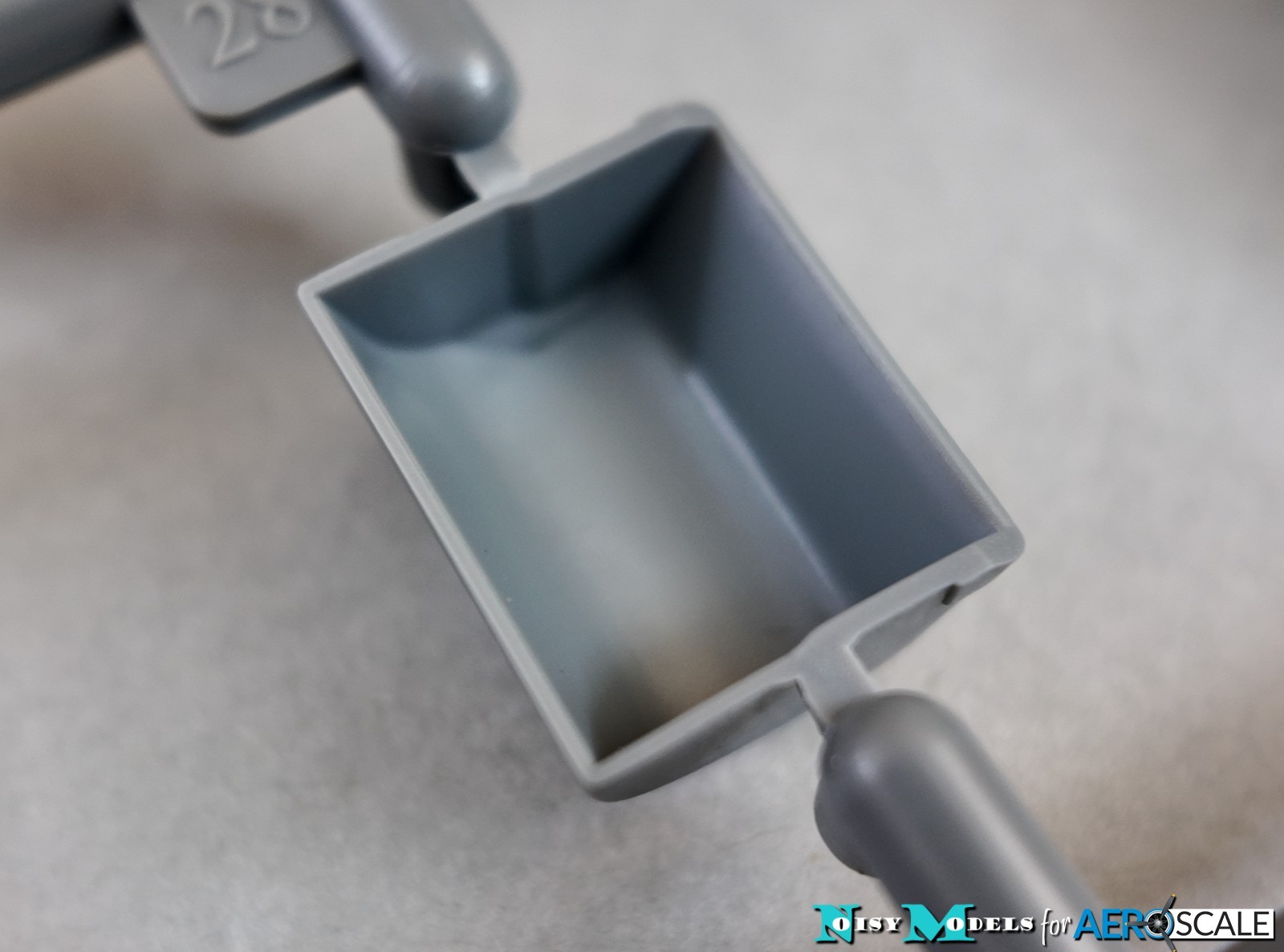
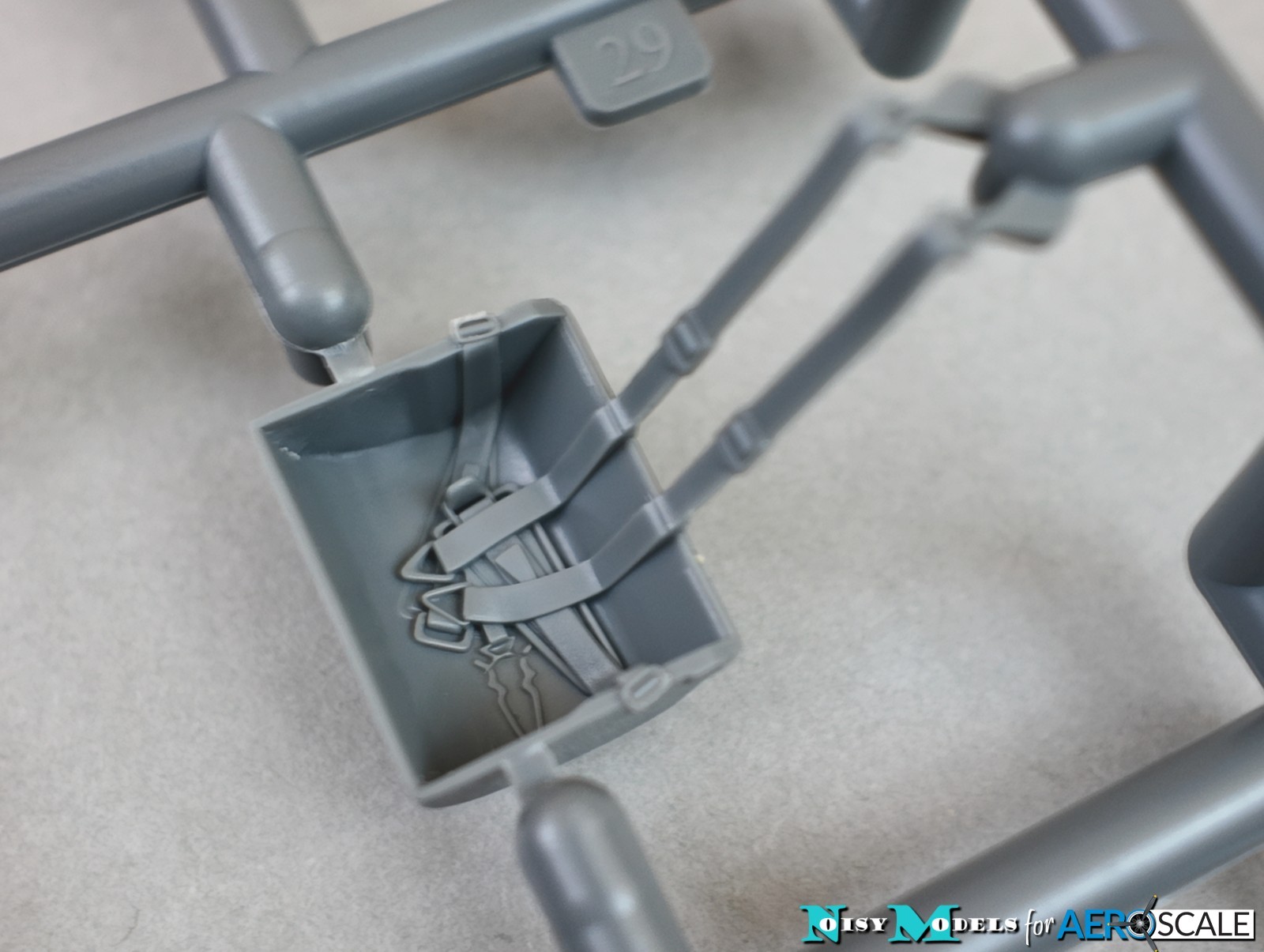
It's ideal to get the instrument started first, because that way you can get on with the rest of the office between decaling sessions. Overall, you're looking at 20 parts - so not overcomplicated, but the level of moulded detail is outstanding. A really nice touch is that Kotare have designed the seat in two ways - plain, or with a moulded-on harness to offer the best of both worlds. I suppose a minor gripe could be that the kit doesn't include a photo-etched harness in the way that Wingnut Wings kits did, but aftermarket sets are easily found. Modellers tend to look down their noses at moulded-on seatbelts, but the ones here are a far cry from the crude representations we used to see in kits in the past, and they should look excellent with careful painting.
Just in case you thought you were done with decaling for the instrument panel, there are another 20 placards and dial faces to dot around the cockpit, adding up to what should be a beautifully busy and detailed "office".
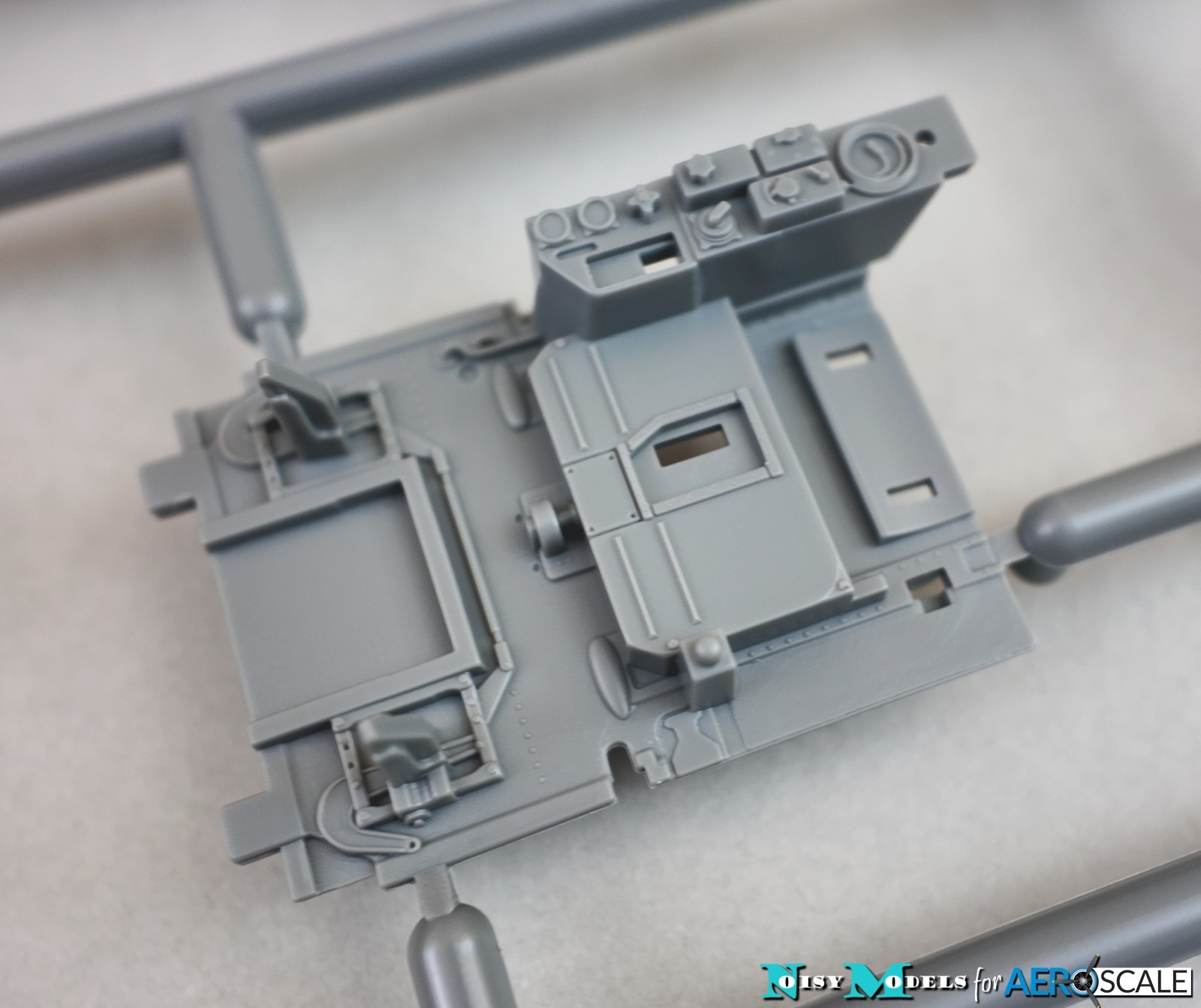
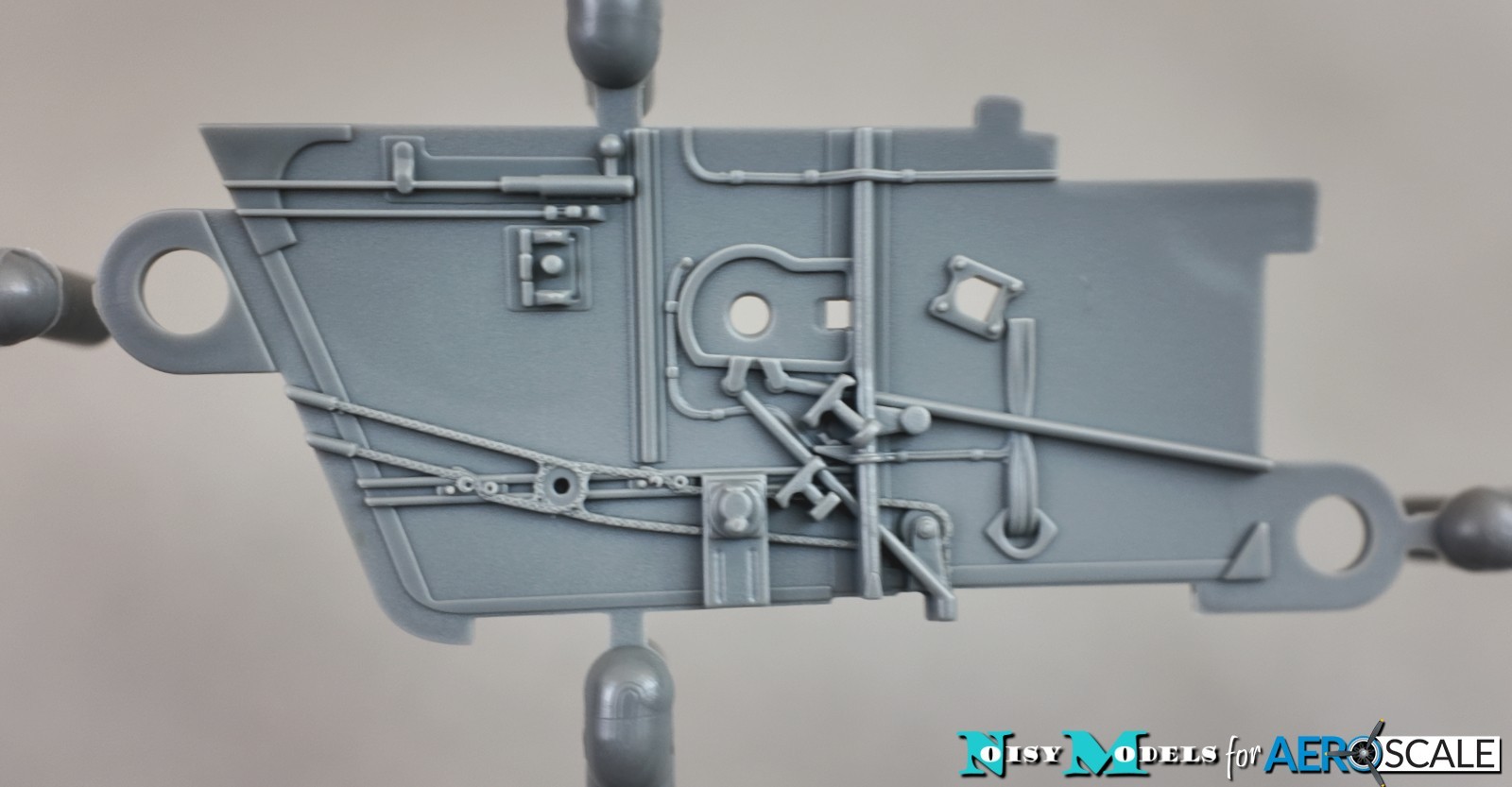
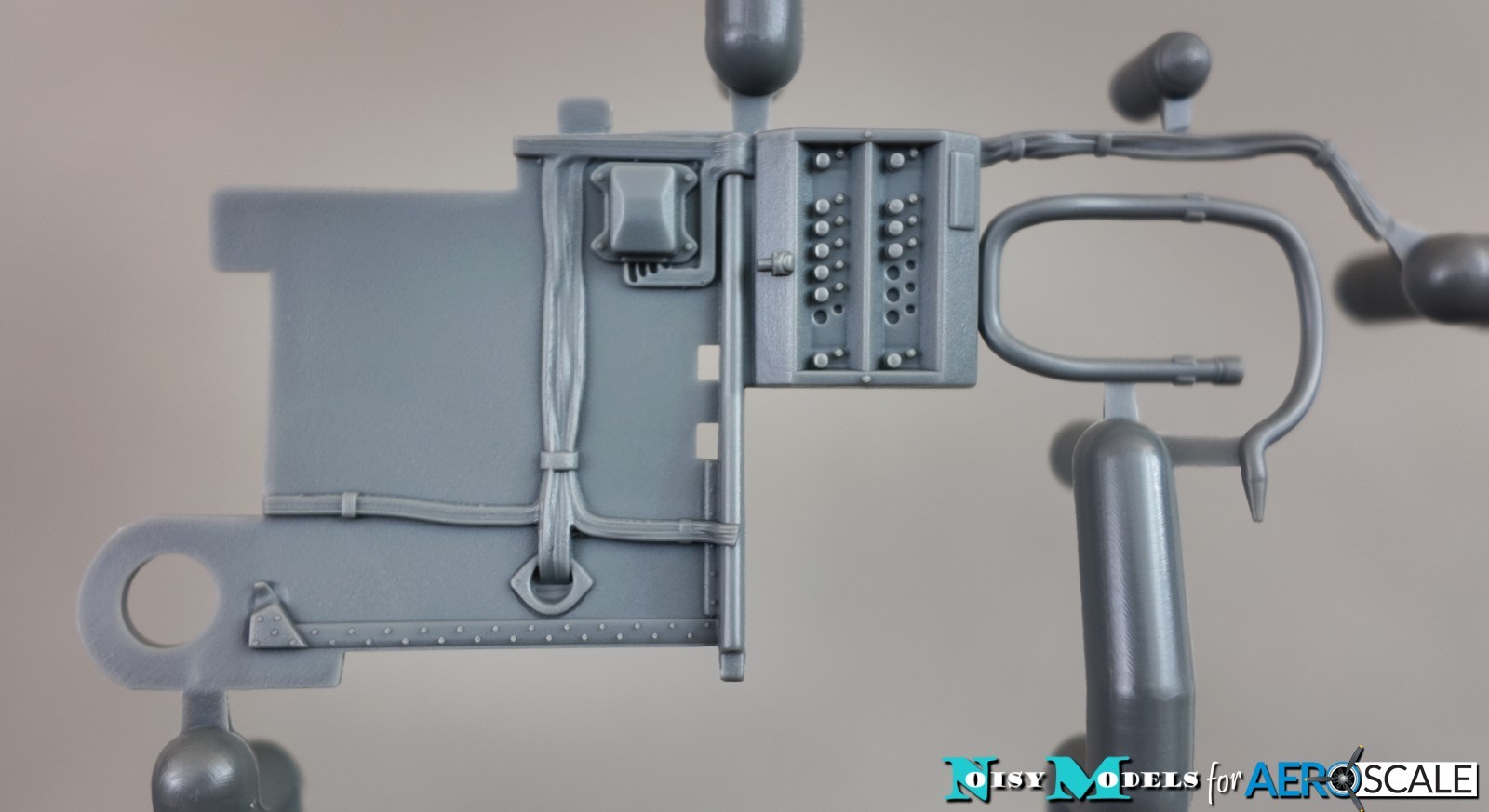
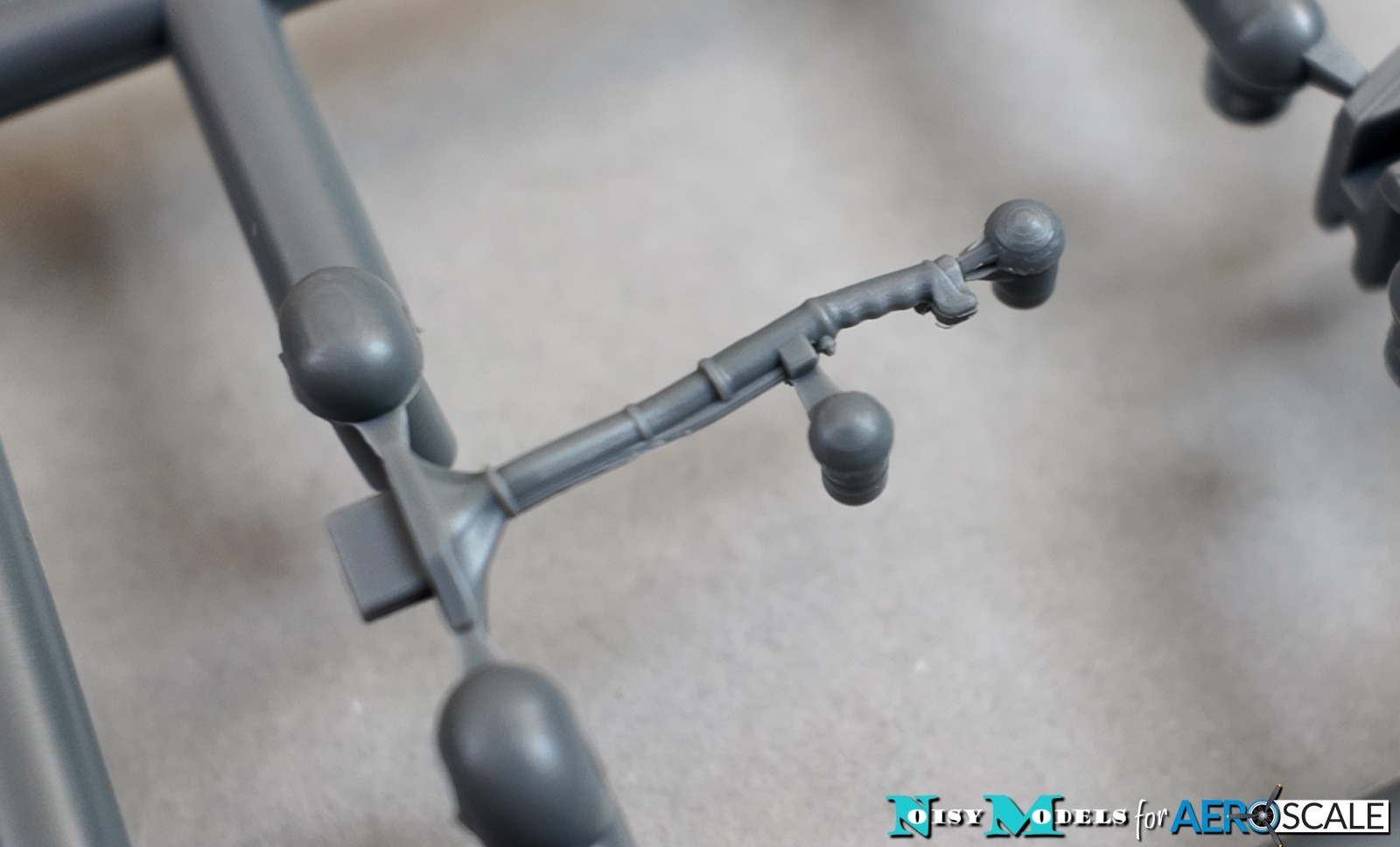
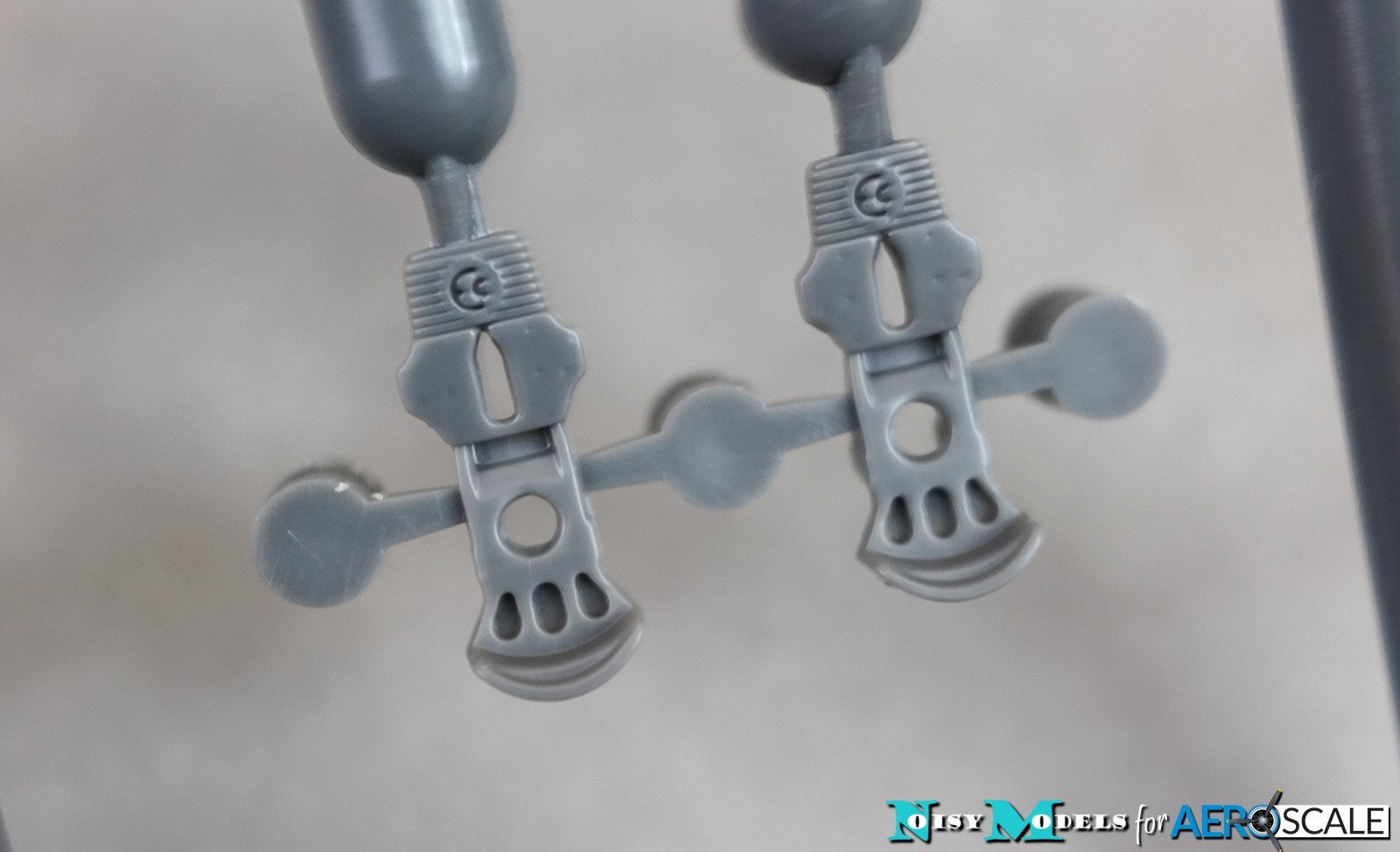
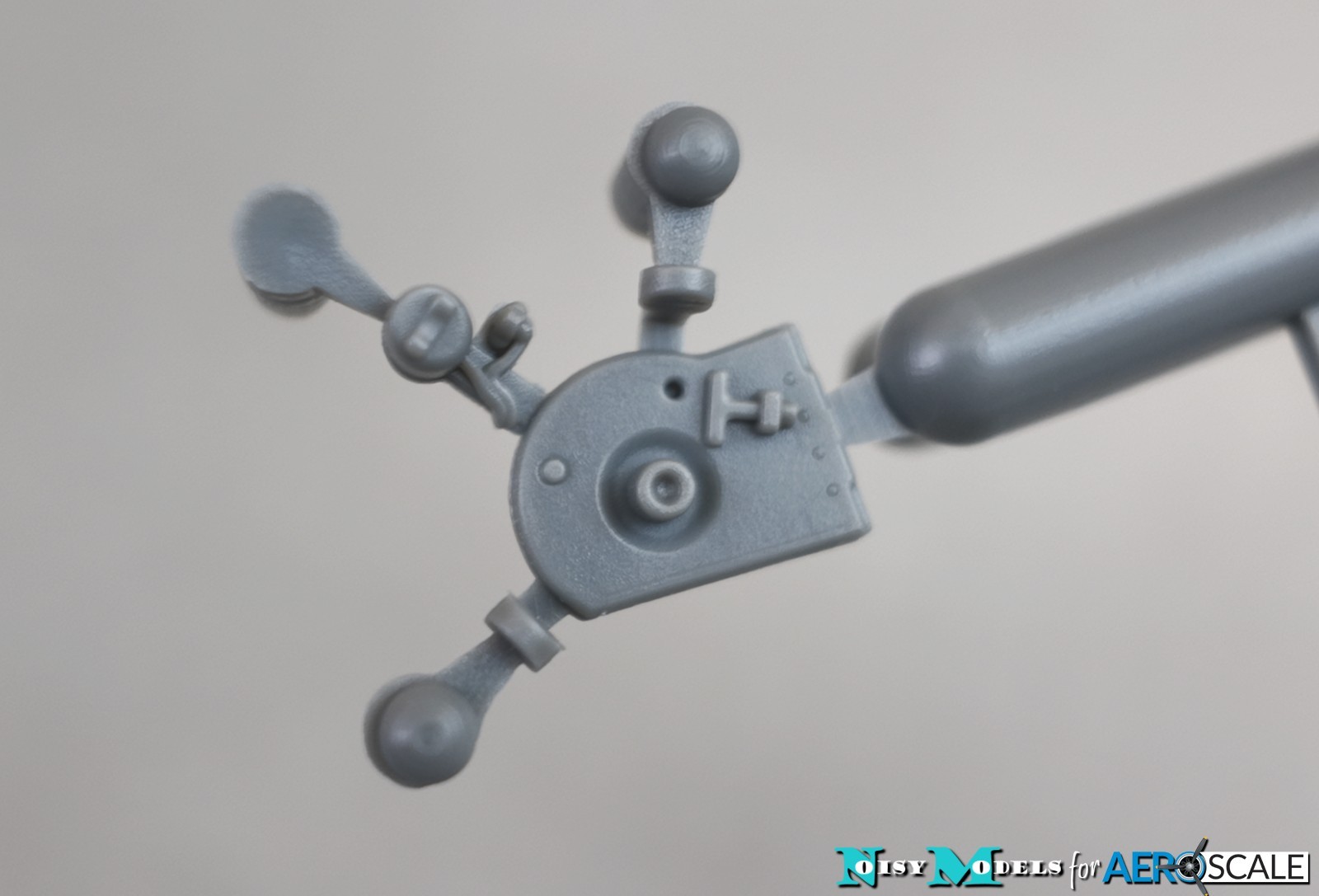
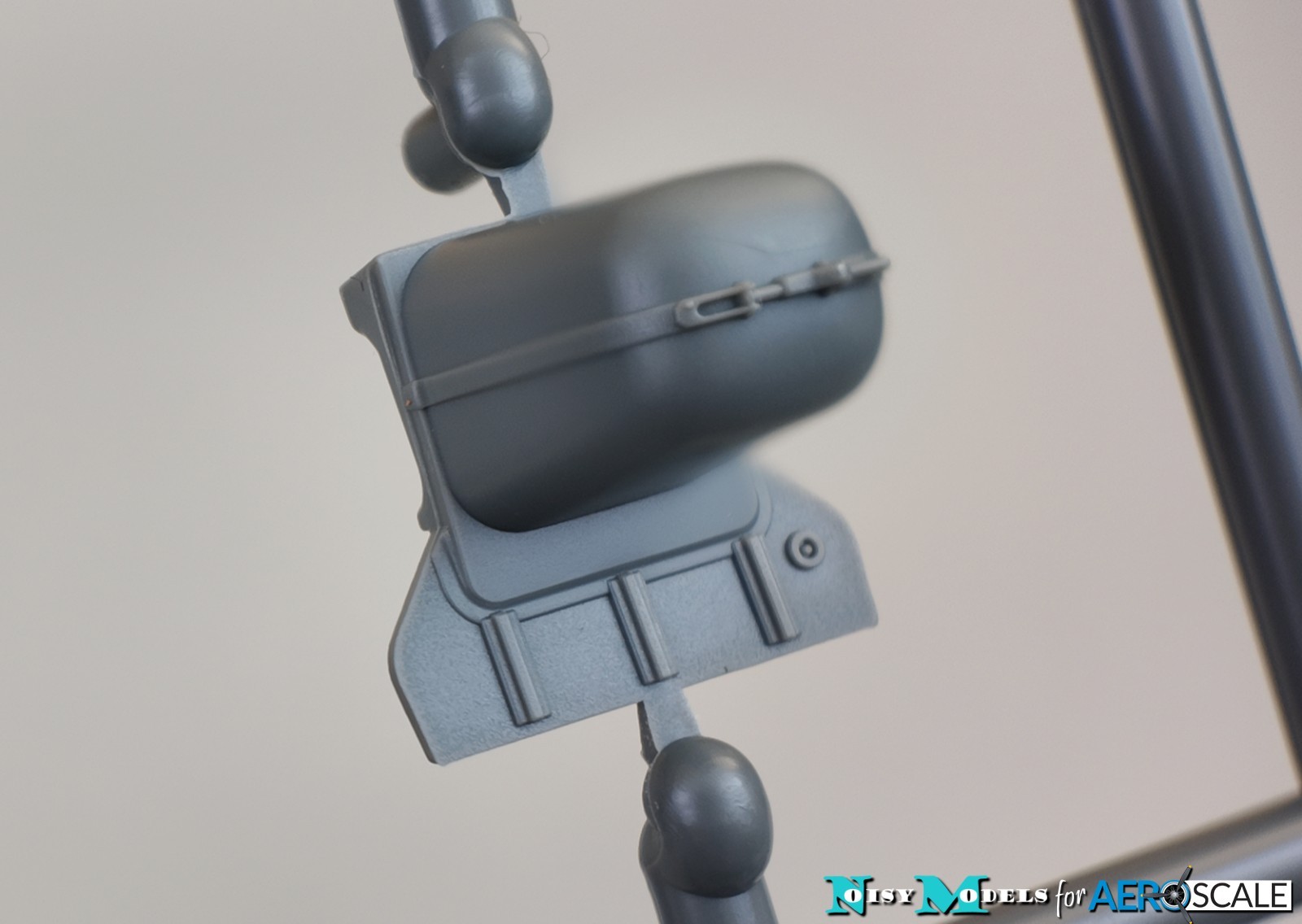
Things then move on to the fuselage proper, which is quite conventional. A neat touch is the inclusion of an optional redundant access panel left over from Bf 109G production - and, of course, the 'K is something of a novelty in including a tailwheel well.
There's no engine provided in the kit, and the cowlings are moulded closed, but the cockpit sill extends forward to act as the base for the nose-mounted machine guns, and a mounting shaft runs from the firewall to the nose for the propeller.
The area immediately behind the cockpit separate, with different parts for open or closed canopy options, and the front decking ahead of the windscreen is also separate. Interestingly, the instructions note that it should sit slightly proud - so resist the temptation to sand it flush.
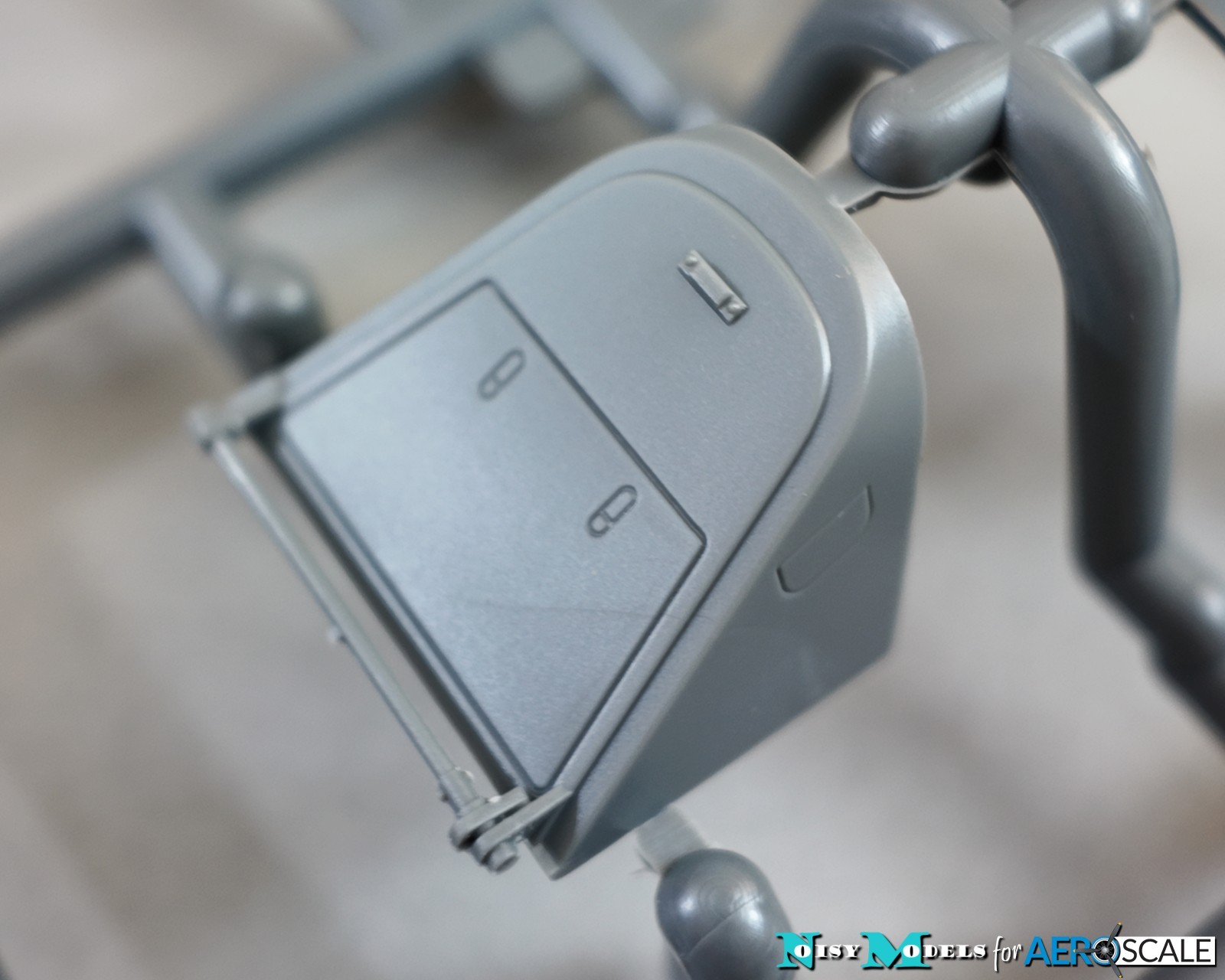
The lower nose forms a neatly detailed oil cooler bath, and the supercharger intake features an impeller moulded inside (which is buried so deep, I doubt it will be visible on the finished model).
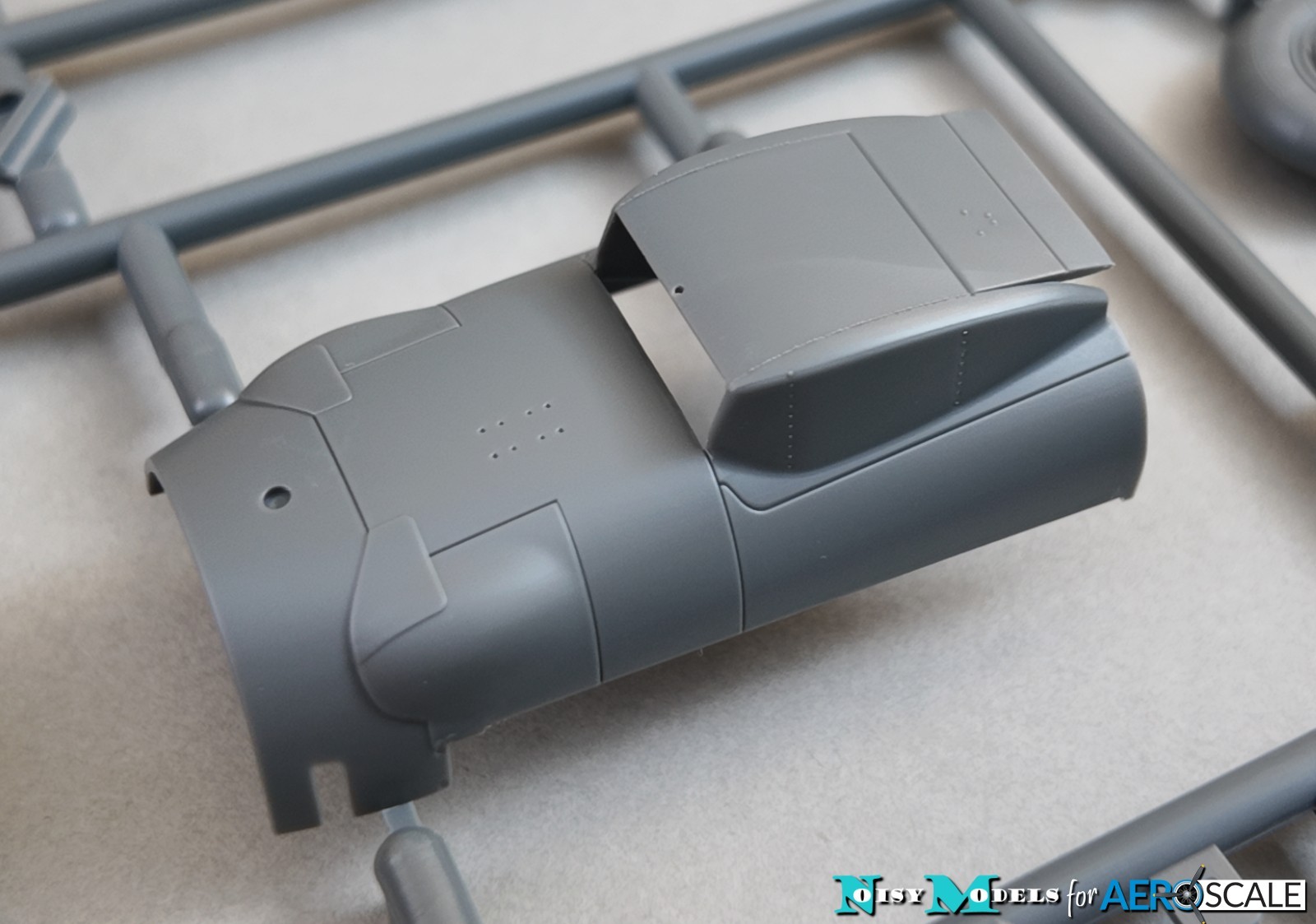
The tailplane is moulded full-span for easy alignment, while the vertical fin is separate, hinting at more late-war '109 variants to come. The tailwheel is cleverly designed to feature a separate "weighted" wheel that sits automatically at the correct angle, whilst avoiding having a flimsy fork that's asking to get broken. The tyre features delicate manufacturer's text on the sidewalls.
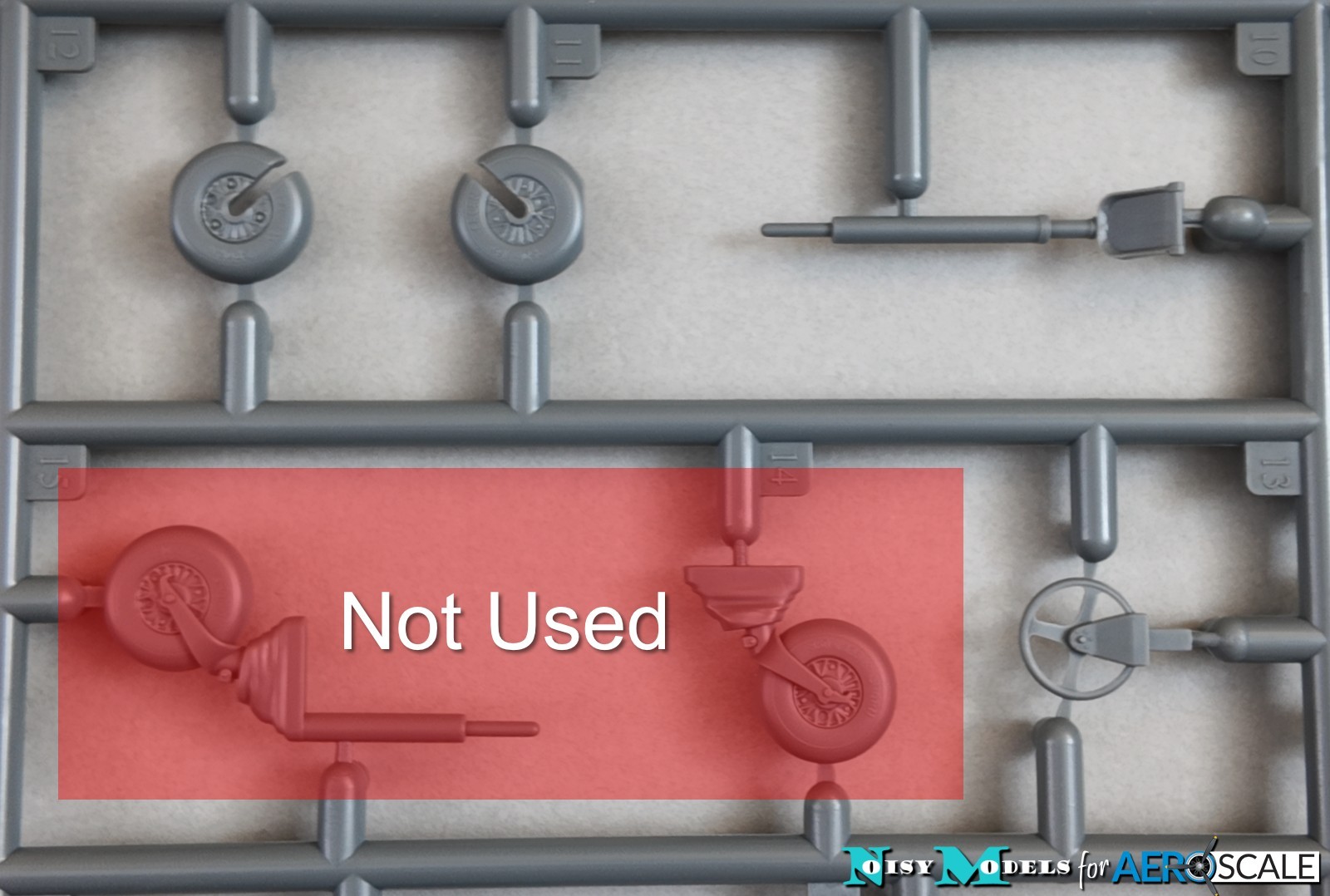
The wings are constructed around a substantial subassembly that comprises a spar and inserts for the undercarriage wells. The inside faces of the wing panels also have moulded-on ribs, so the completed wings will be very solid and with the dihedral firmly set.
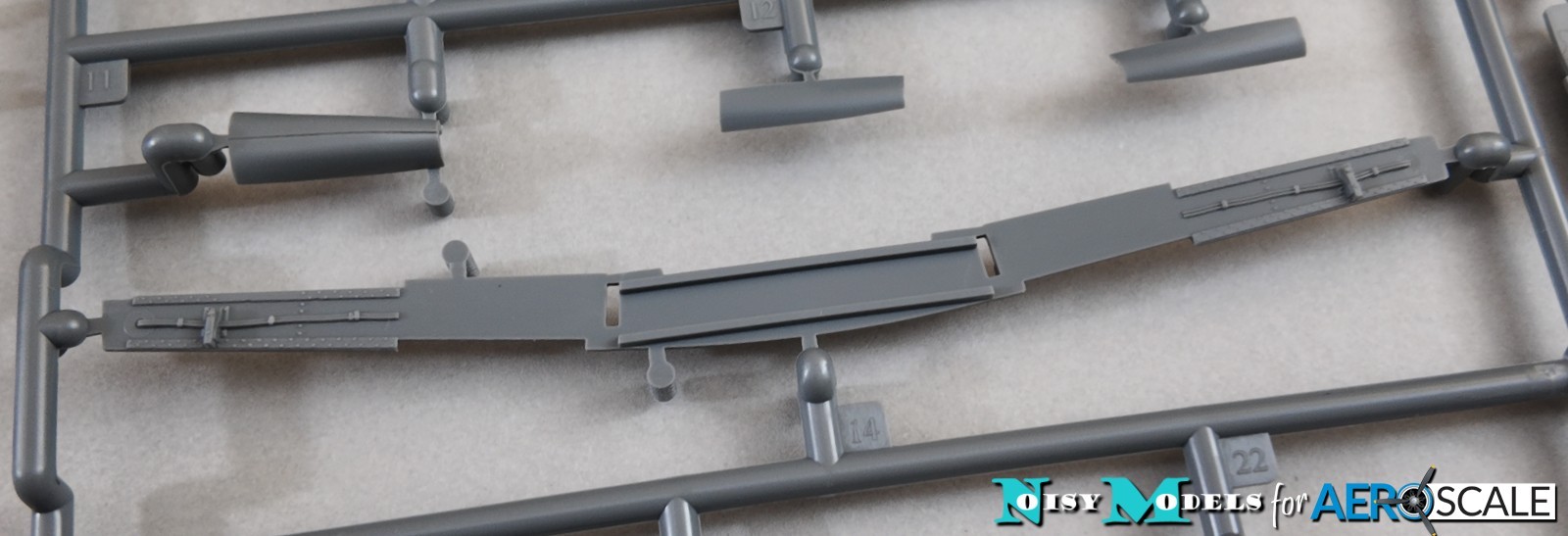
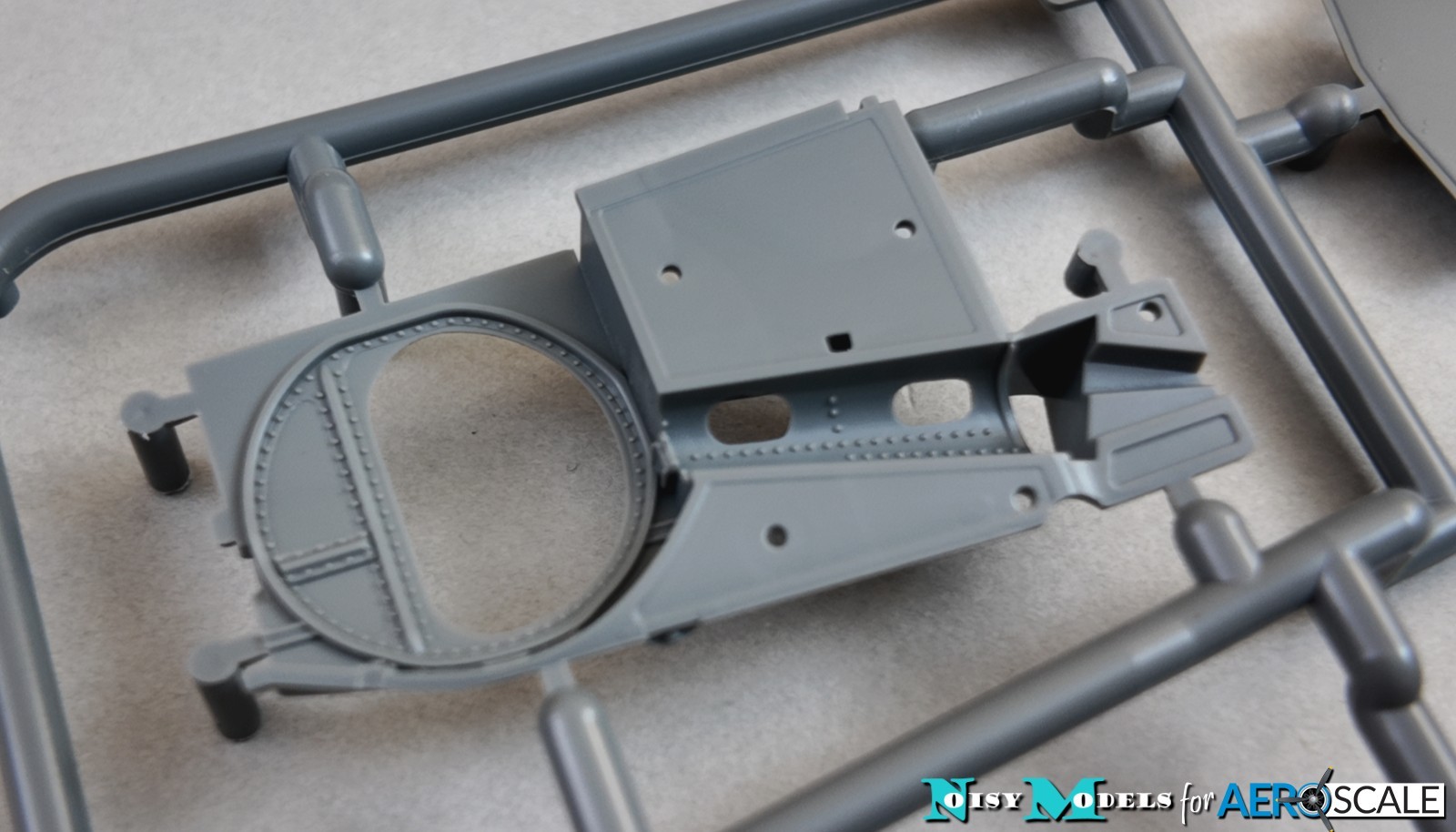
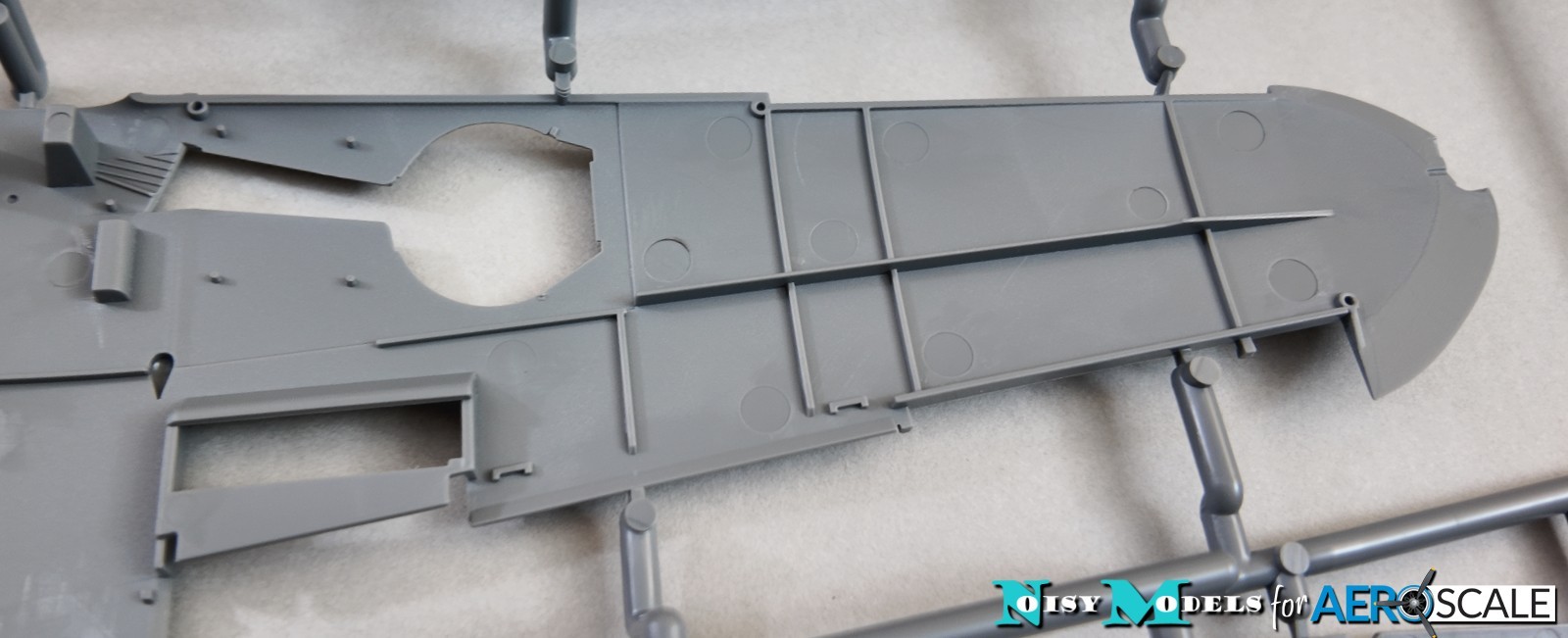
A nice touch is the way the leading edge slats have been designed with separate inserts for open or closed options for a realistic appearance.
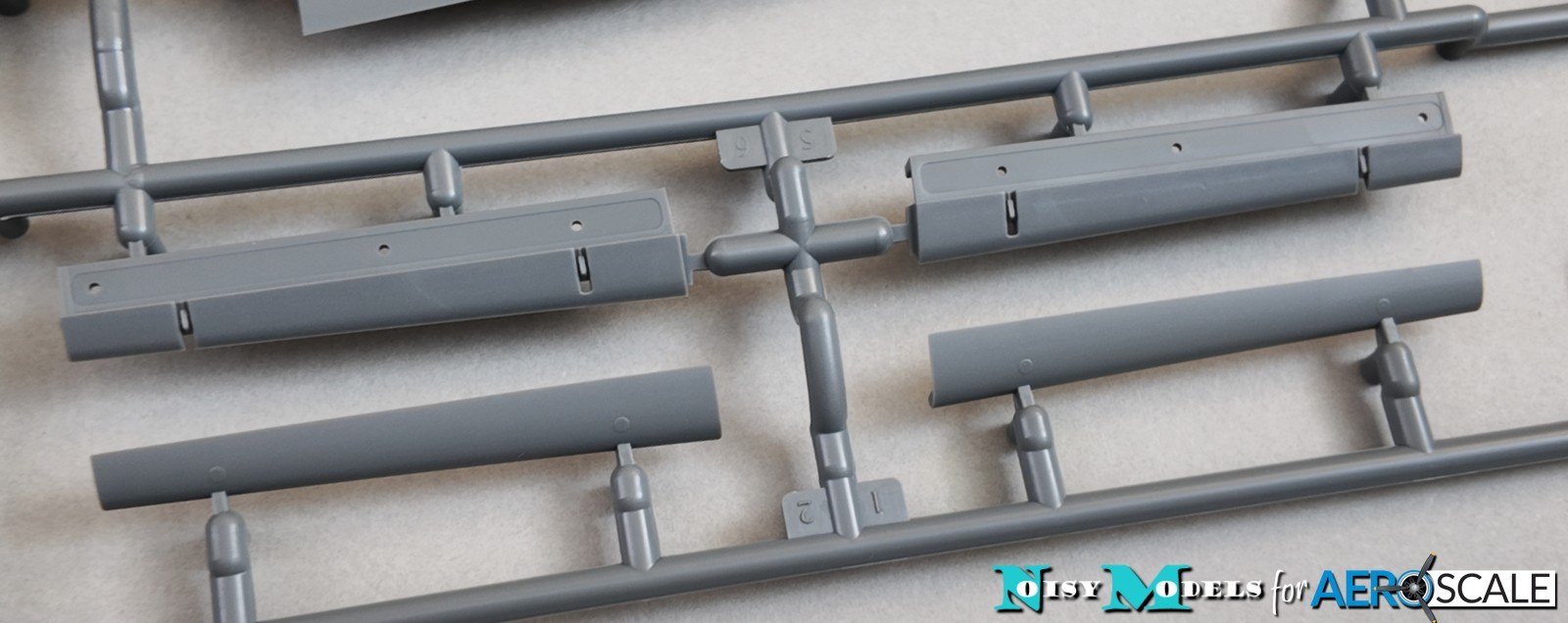
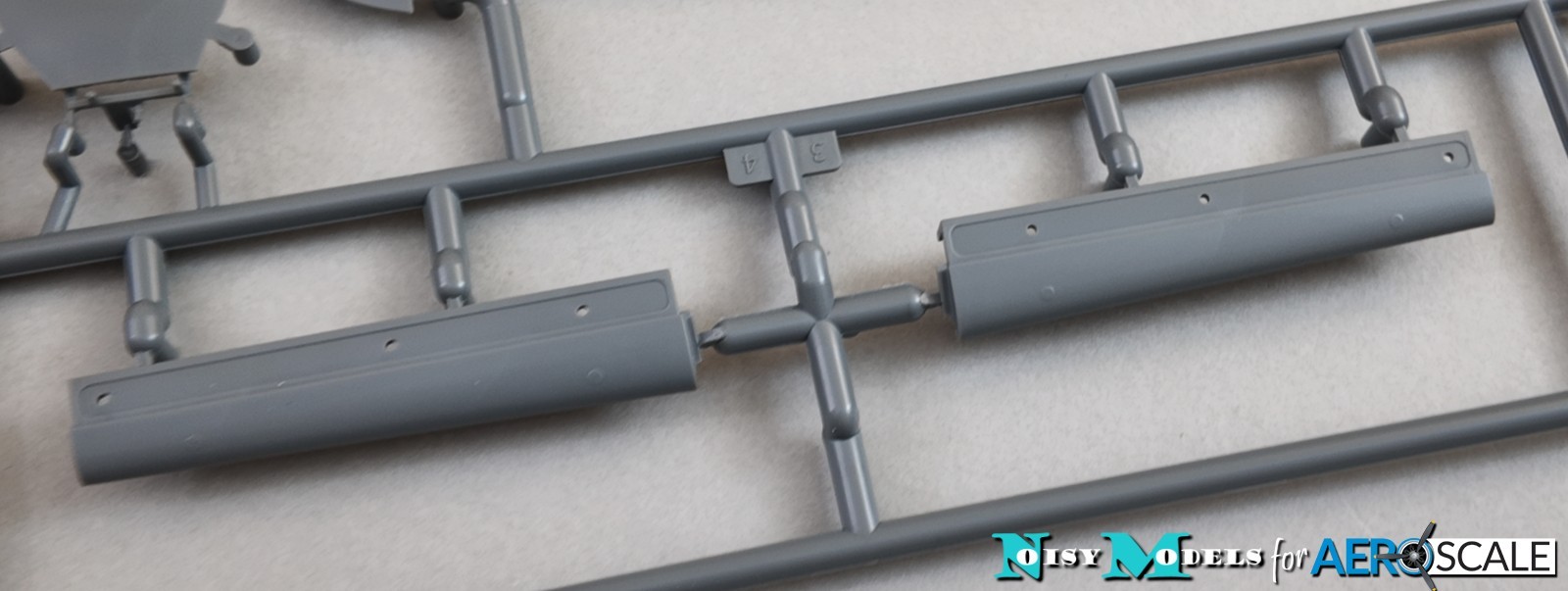
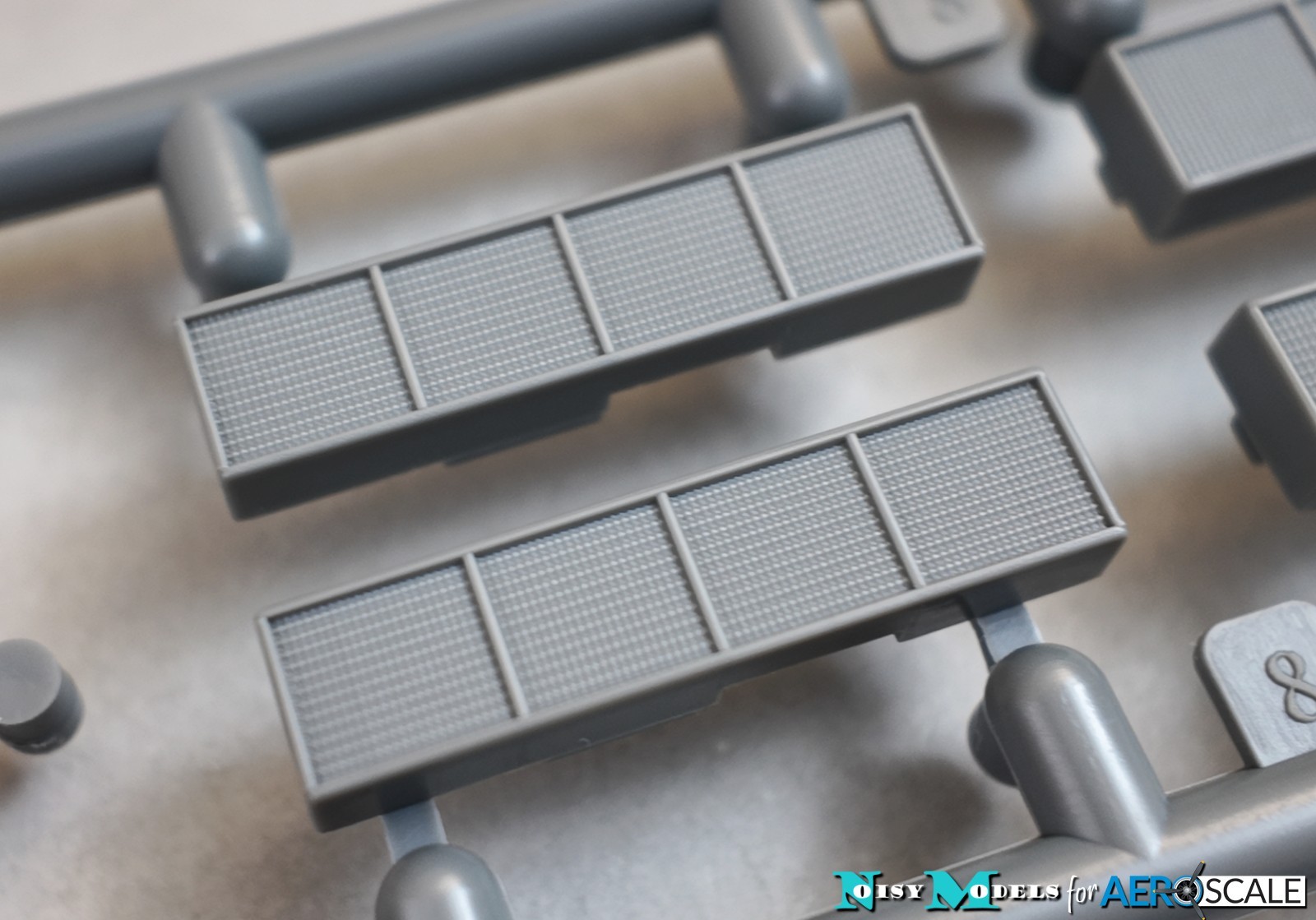
The underwing radiators are nicely detailed, with separate subassemblies to display them open or closed.
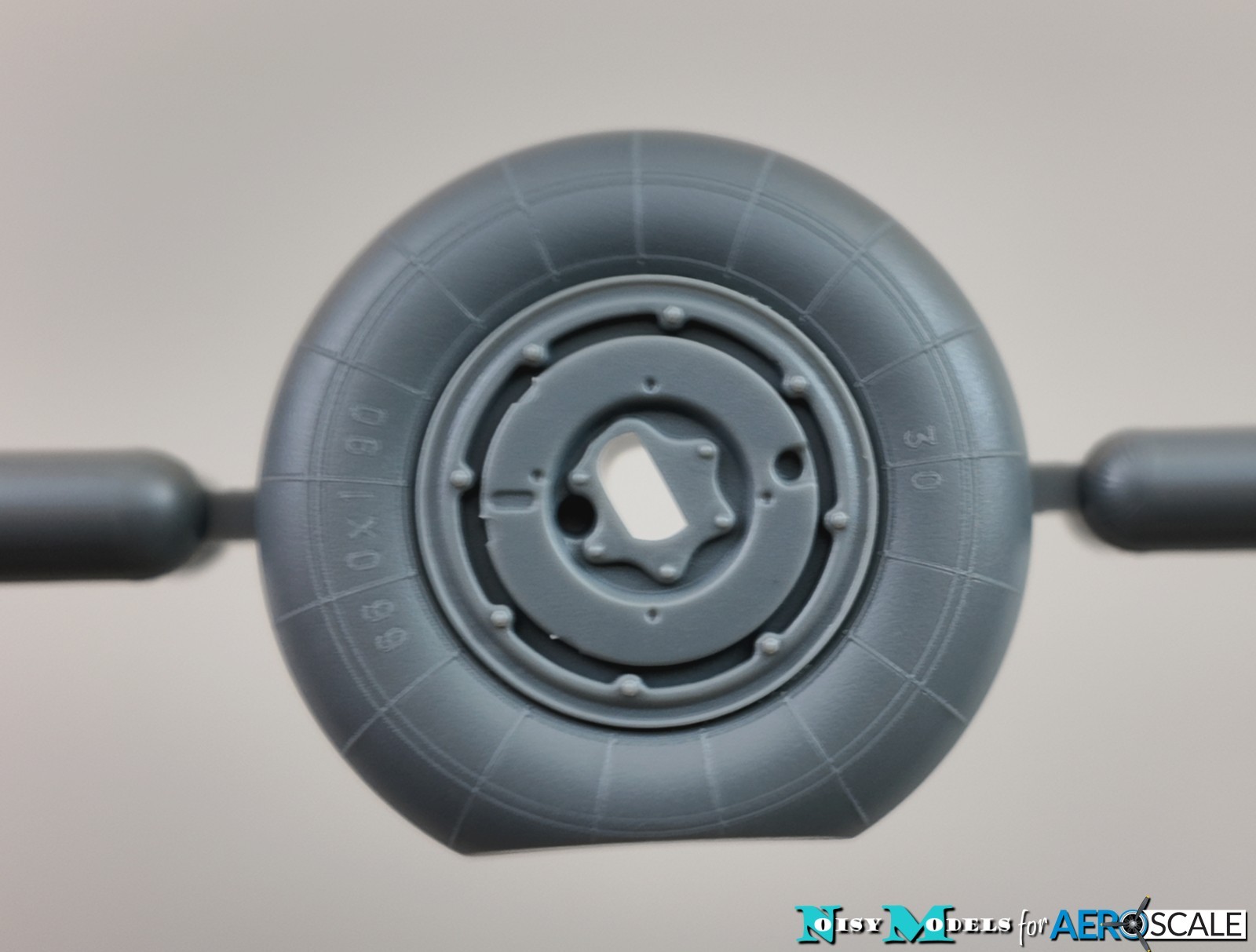
The main undercarriage is beautifully detailed, with wheels that are "weighted", with separate outer hubs and, again, there's maker's text and data on the tyre sidewalls, along with finely represented ribs.
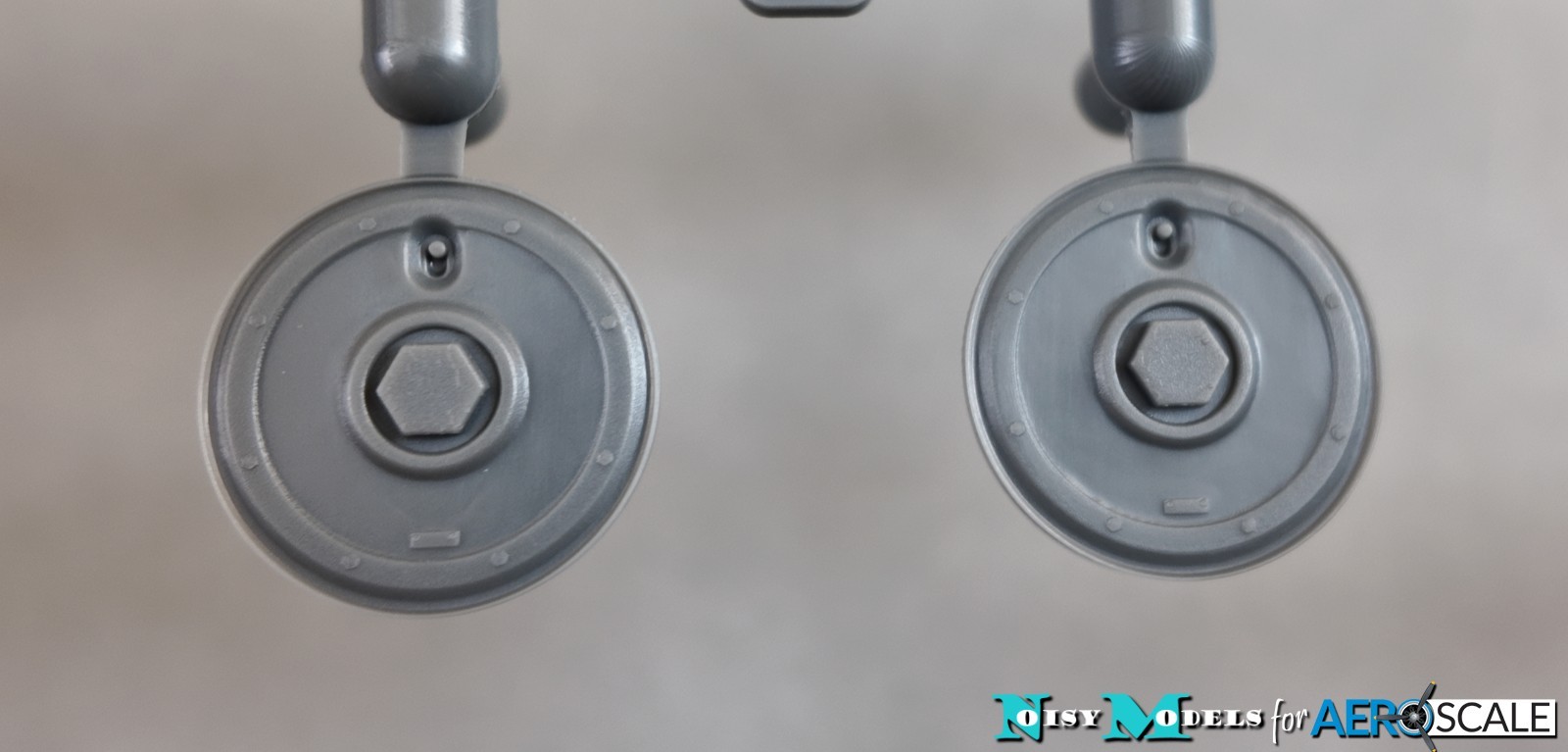
The gear legs are crisply moulded and feature delicate brake pipes and hoses. They are designed to ensure that the weighted wheels fit correctly from every angle for the model to sit properly, and their attachments in the wells promise a very solid assembly.
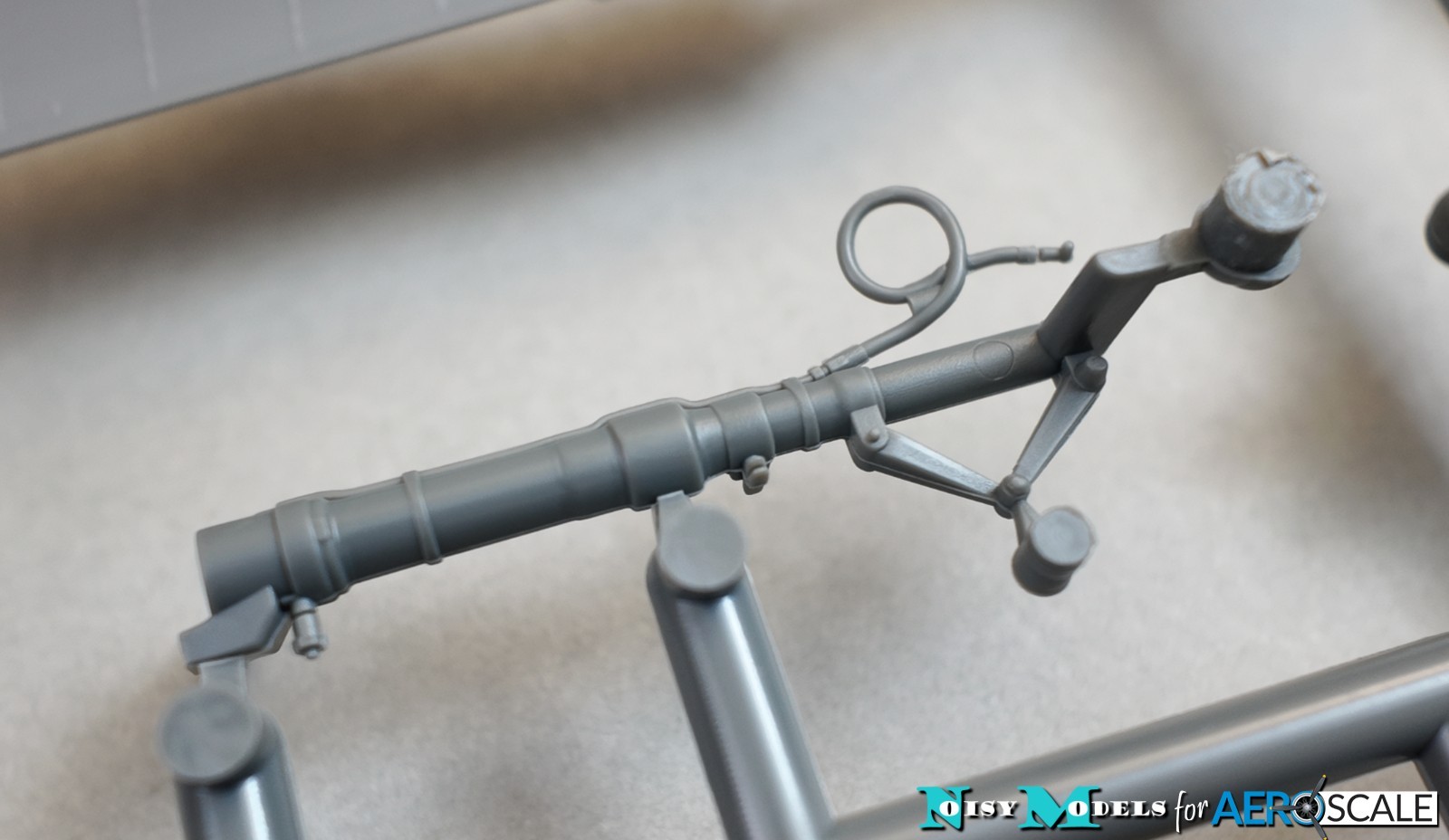
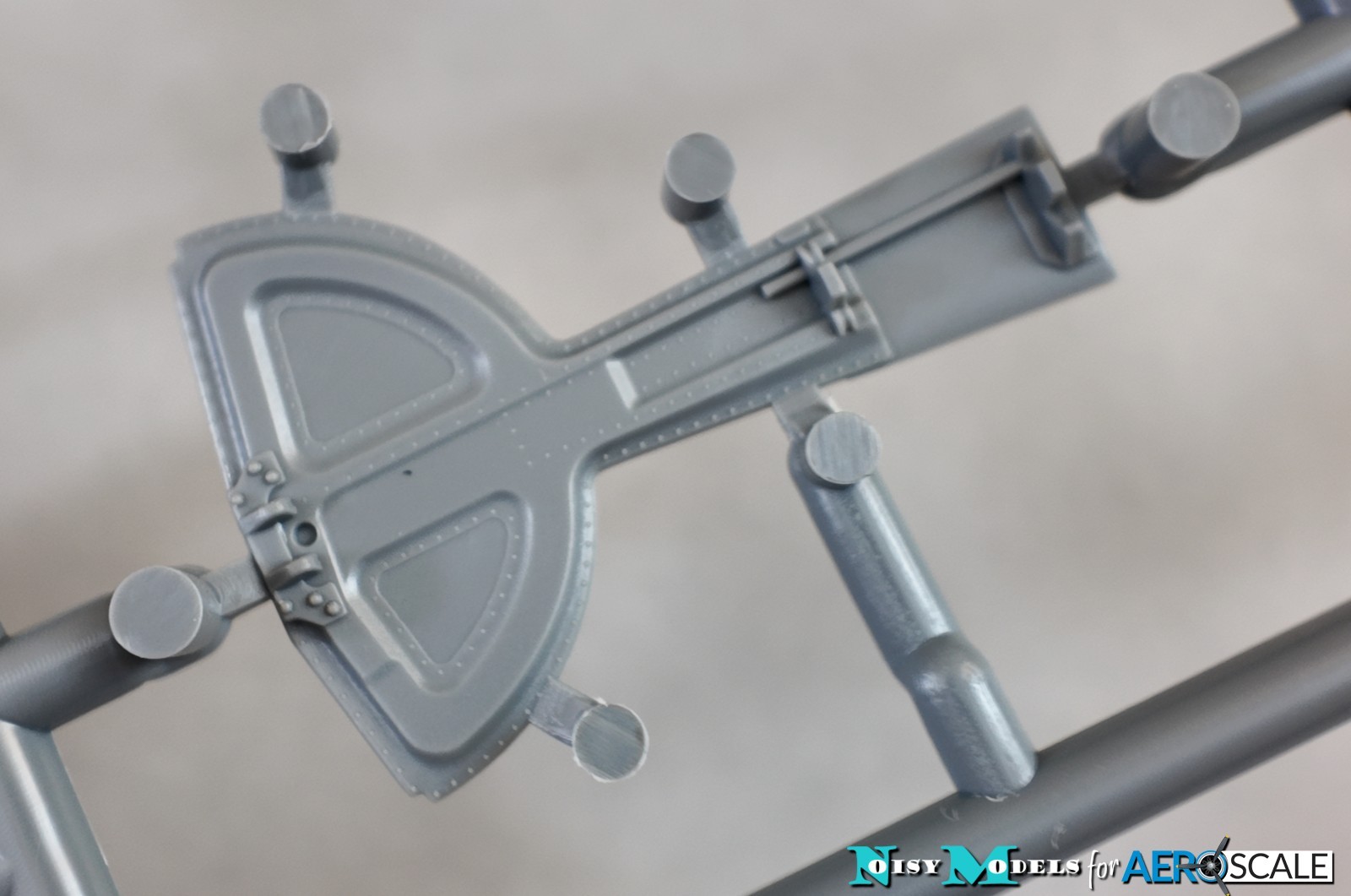
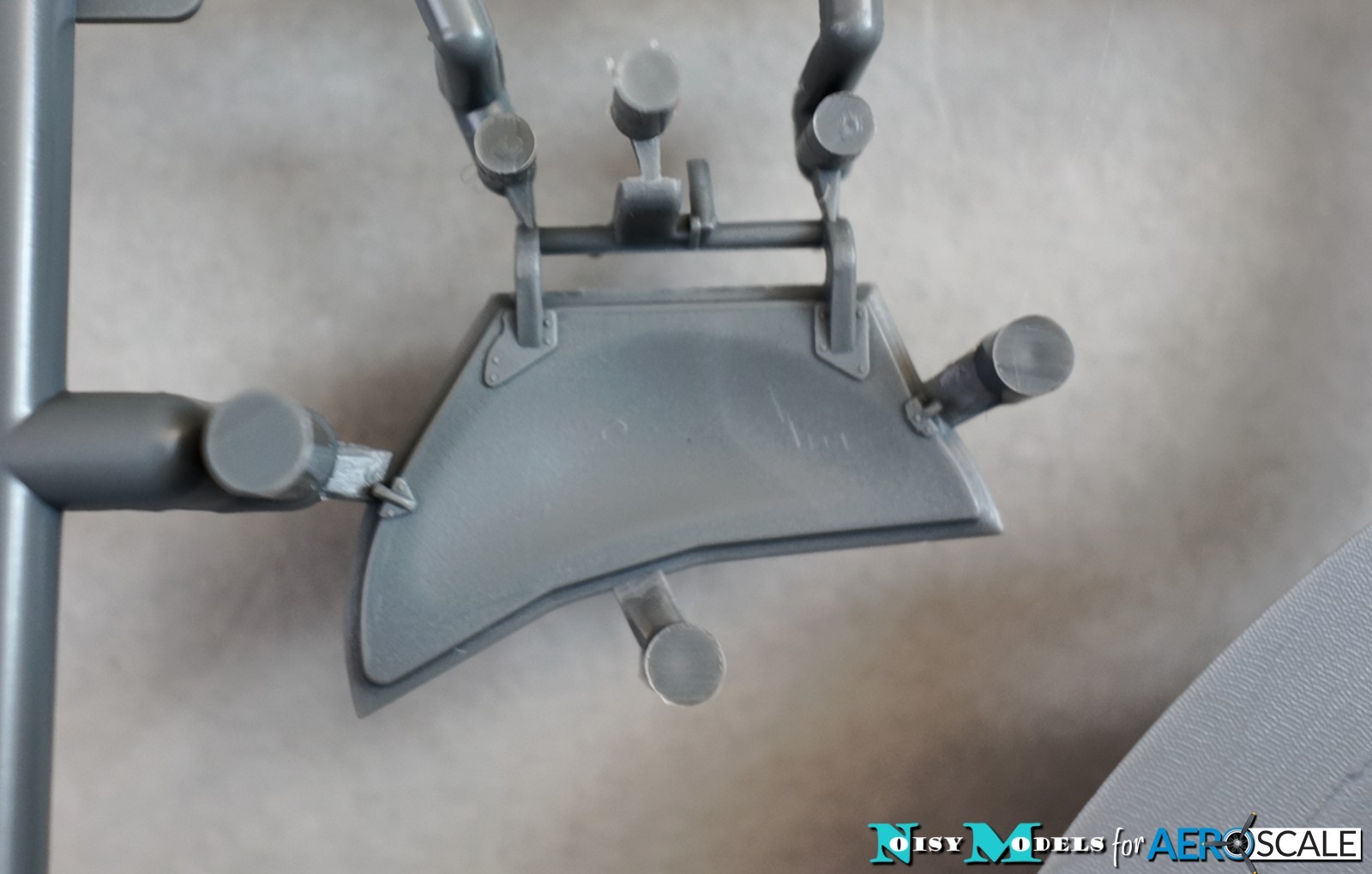
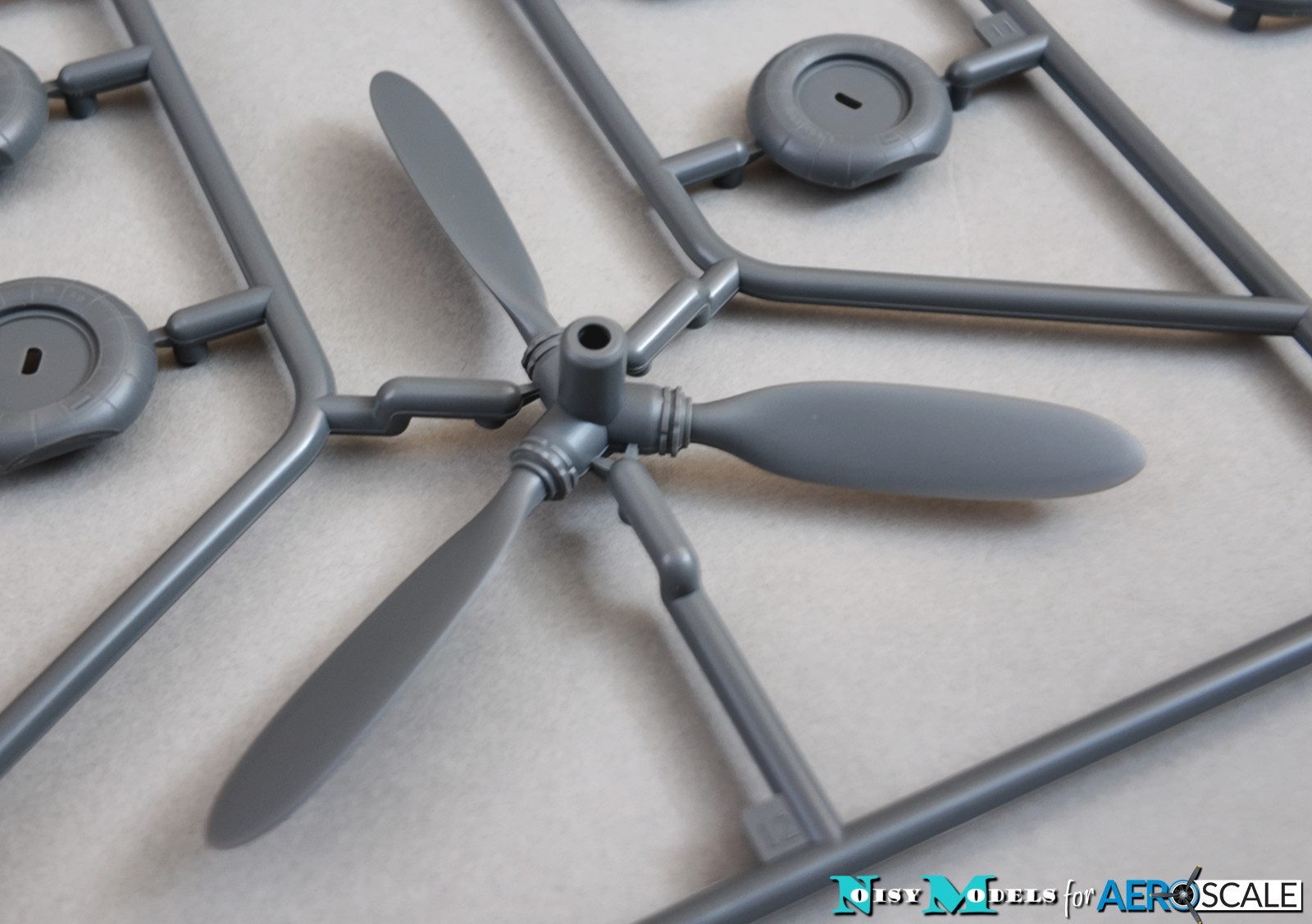
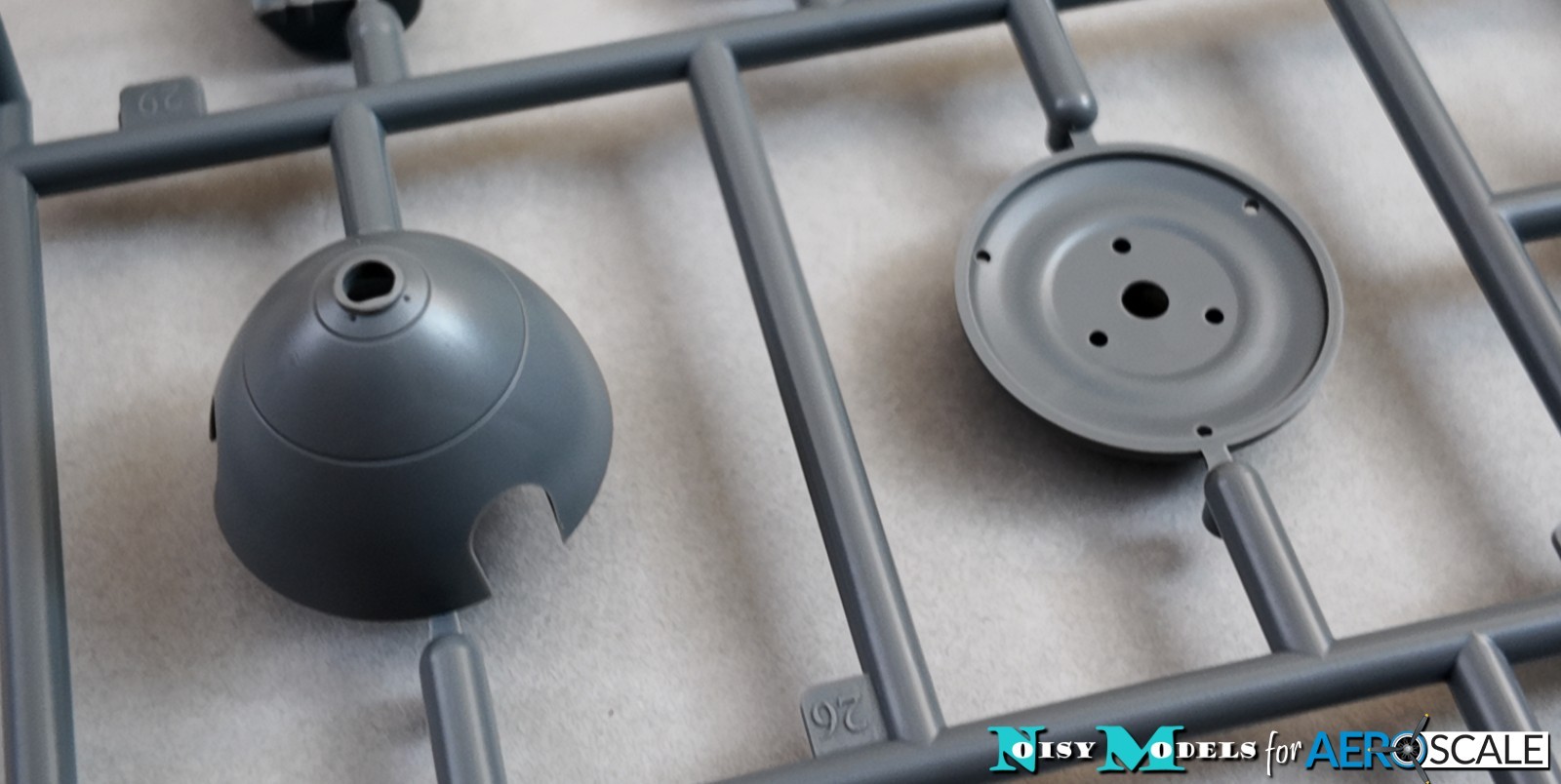
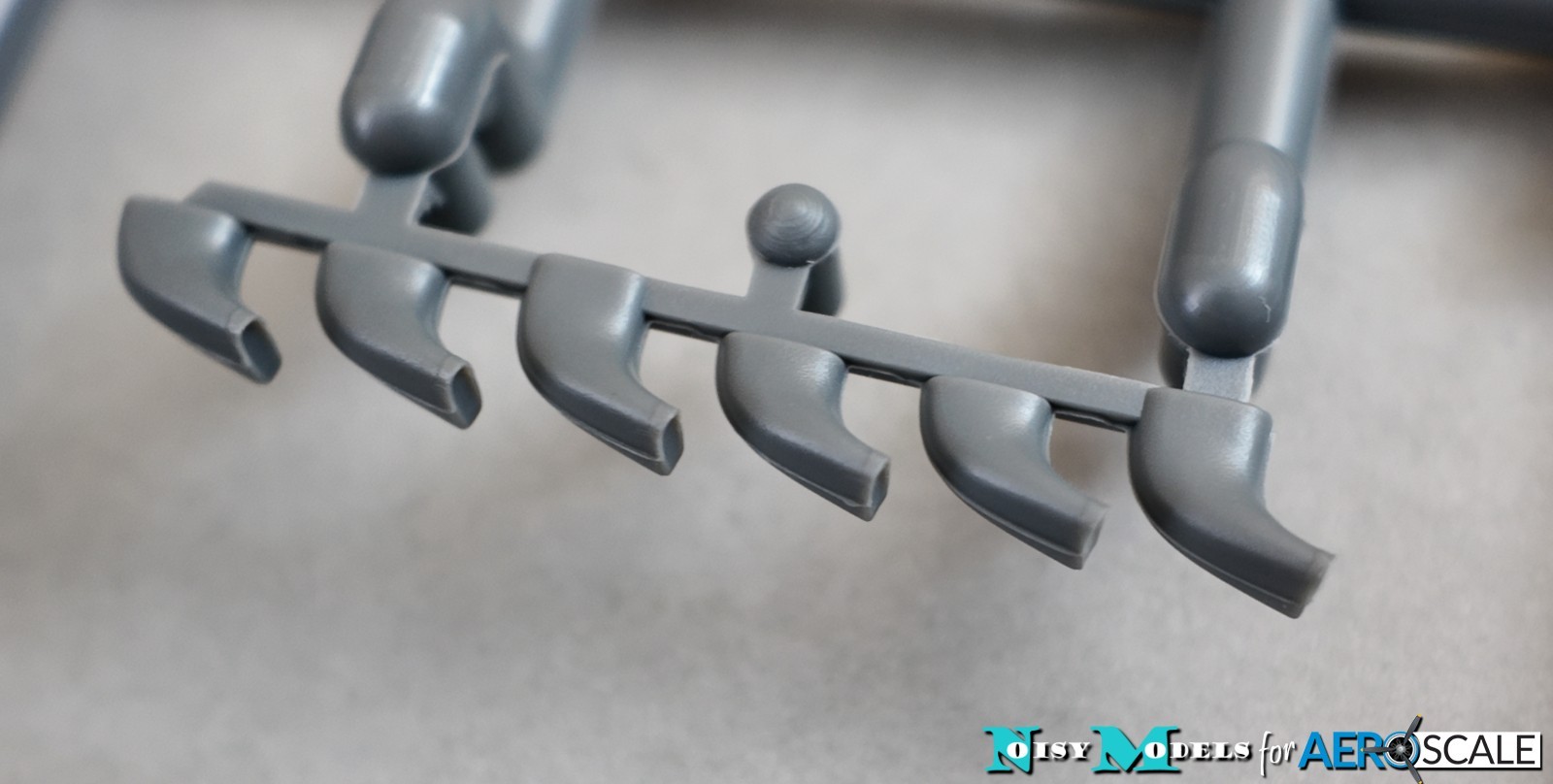
The propeller is very straightforward with just a separate spinner and backing plate, while a nice touch is that the exhausts are designed to be able to be installed after overall painting has been finished. The exhausts themselves are lightly hollowed-out for a realistic appearance.
As noted above, the canopy can be posed open or closed and it is crystal clear with neatly defined framing. A separate armoured windscreen fits inside, along with the armoured headrest at the rear. A canopy lock handle is included, and the instructions give details of the retaining wire behind the headrest, but there's no mention of the hand-grips inside the windscreen that are visible in some of the reference photos in the instructions, so I'll add those to complete things.
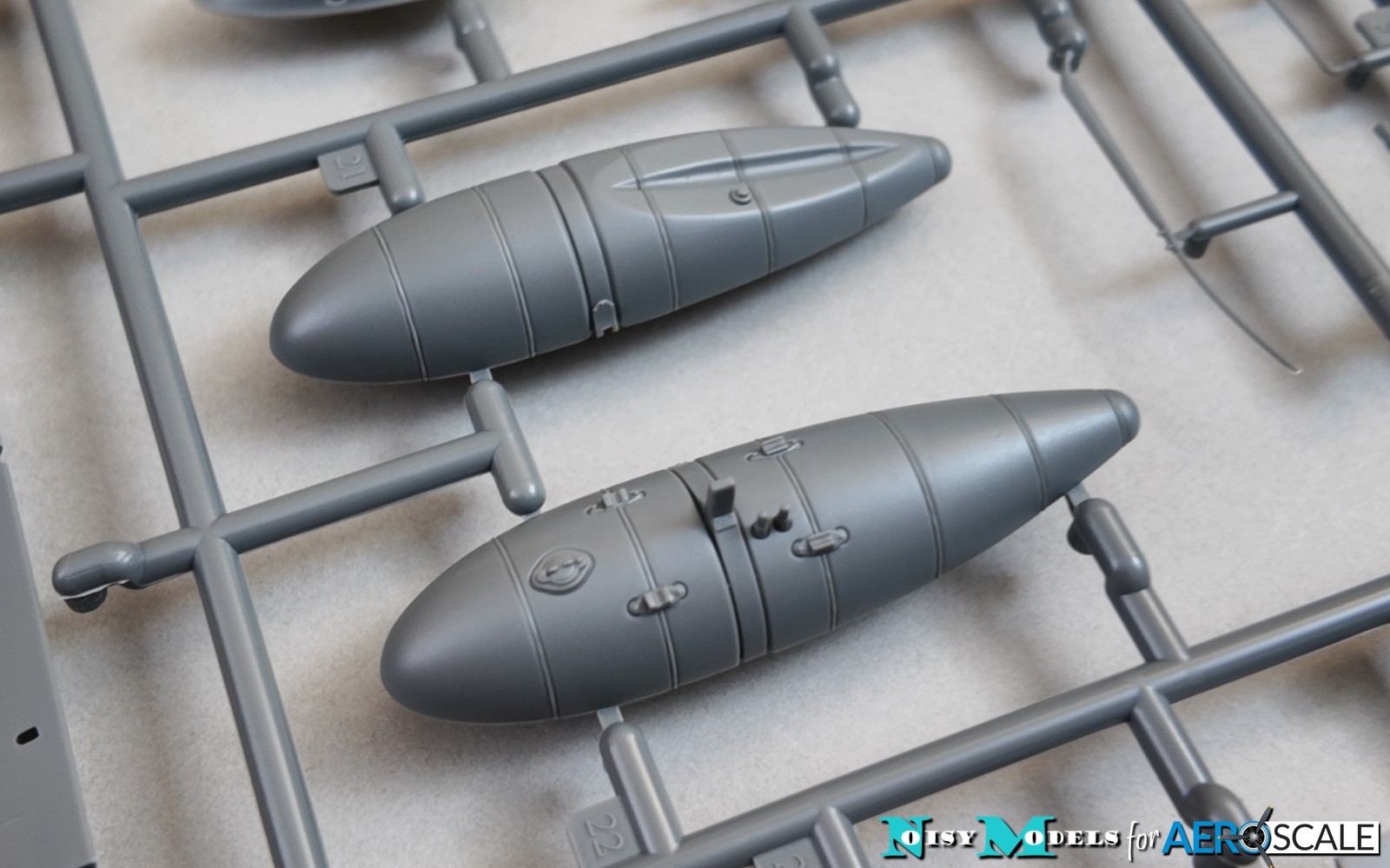
There's a choice of aerial attachments along with the underwing Morane antenna, before construction concludes with a nicely moulded 300 litre drop tank and ETC 503 rack to hang under the aircraft's belly.
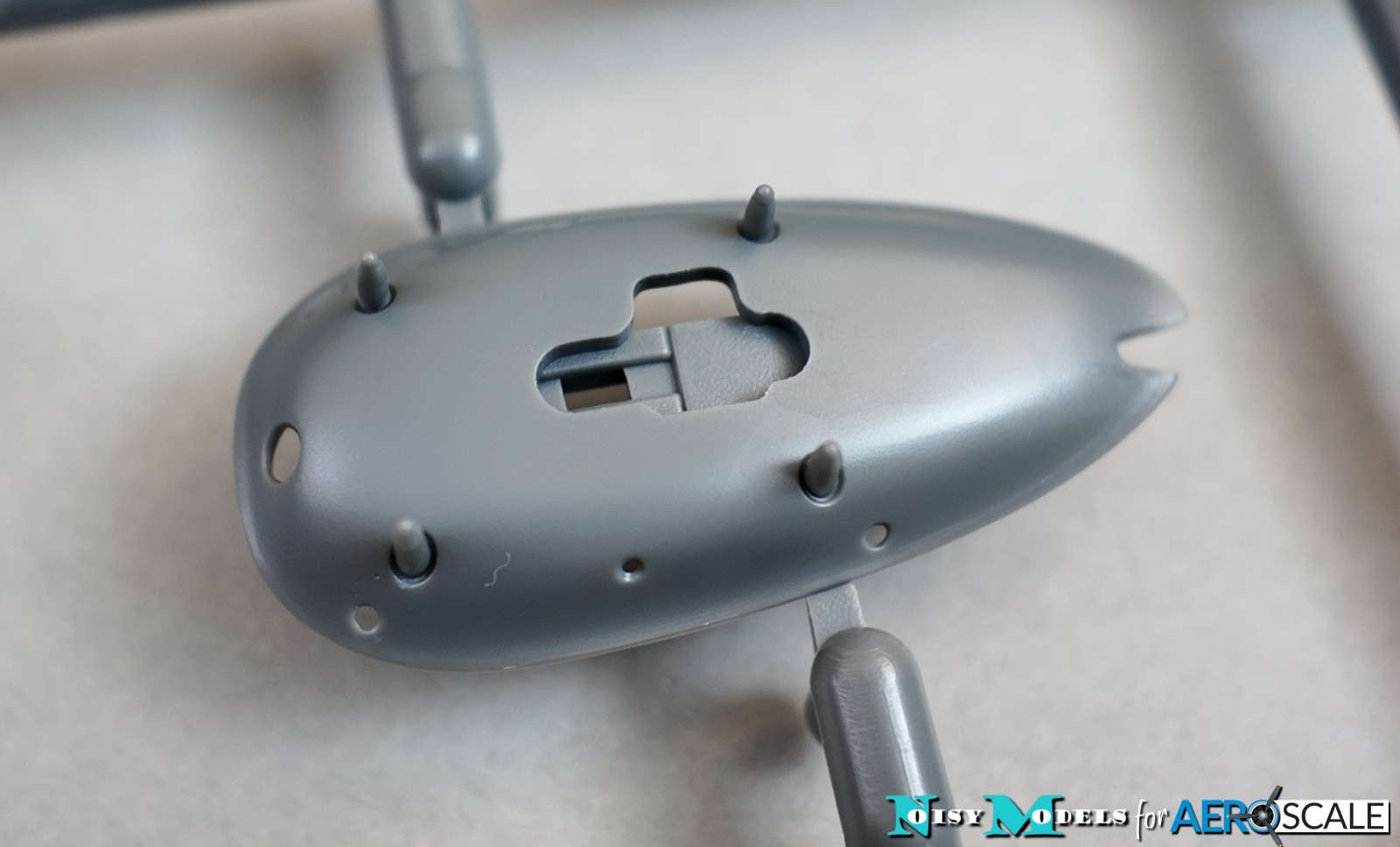
Overall, construction looks pretty straightforward, offering a superb level of detail without resorting to an overcomplicated assembly.
Instructions & Decals
The instructions are printed as a full-colour 44-page A4 booklet on glossy paper and exude high quality. Very much in the style that was started with Wingnut Wings kits, they feature a subtle "aged" style with excellent assembly diagrams that are accompanied by extensive written notes (English only) and are sprinkled with vintage reference photos.
The construction sequence is very logical, and the designers take into account how modellers will want to paint assemblies before completion.
Colour call-outs are given throughout with matches to Tamiya, SMS, Gunze Sangyo, Atom and AK 3Gen model paints.
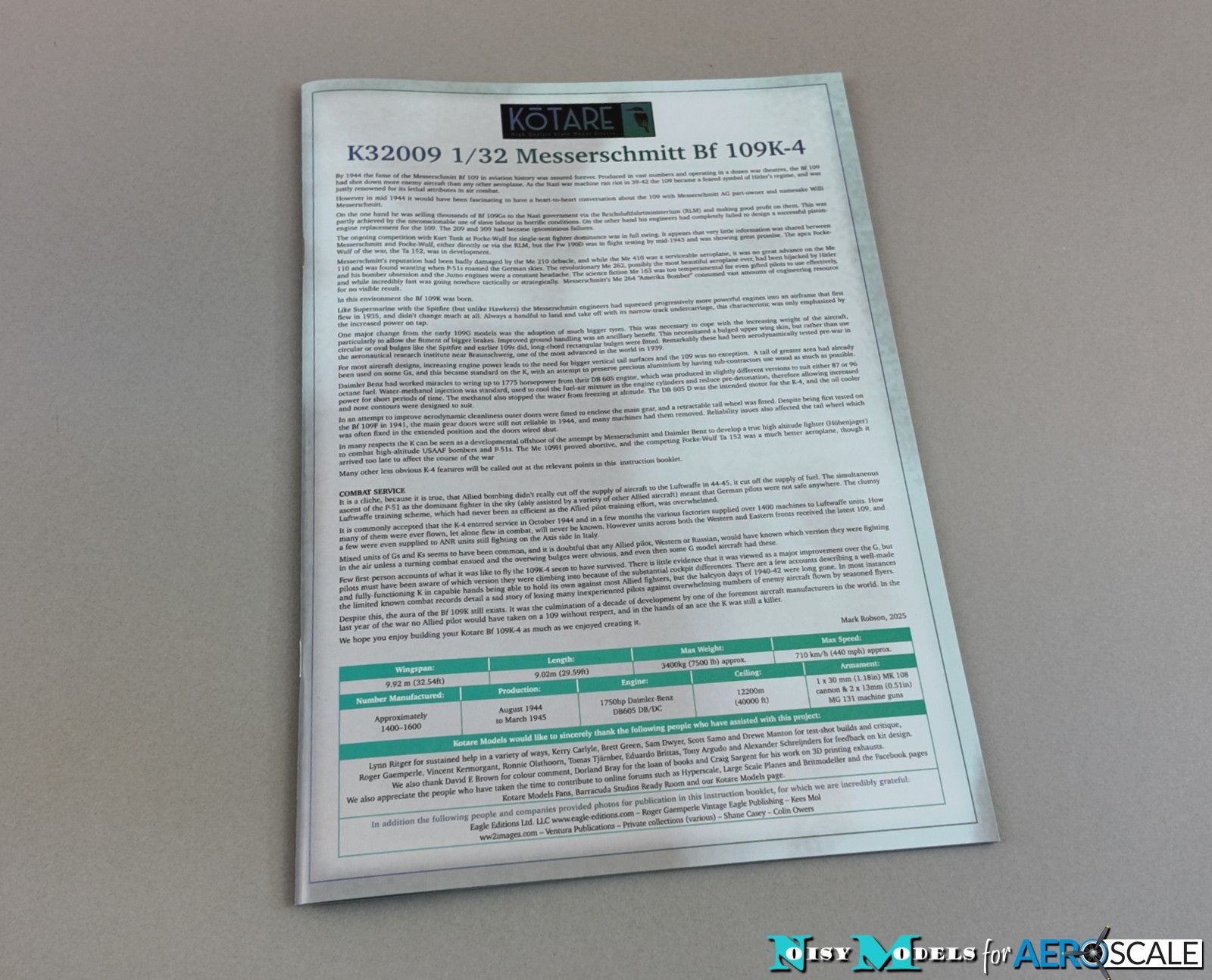
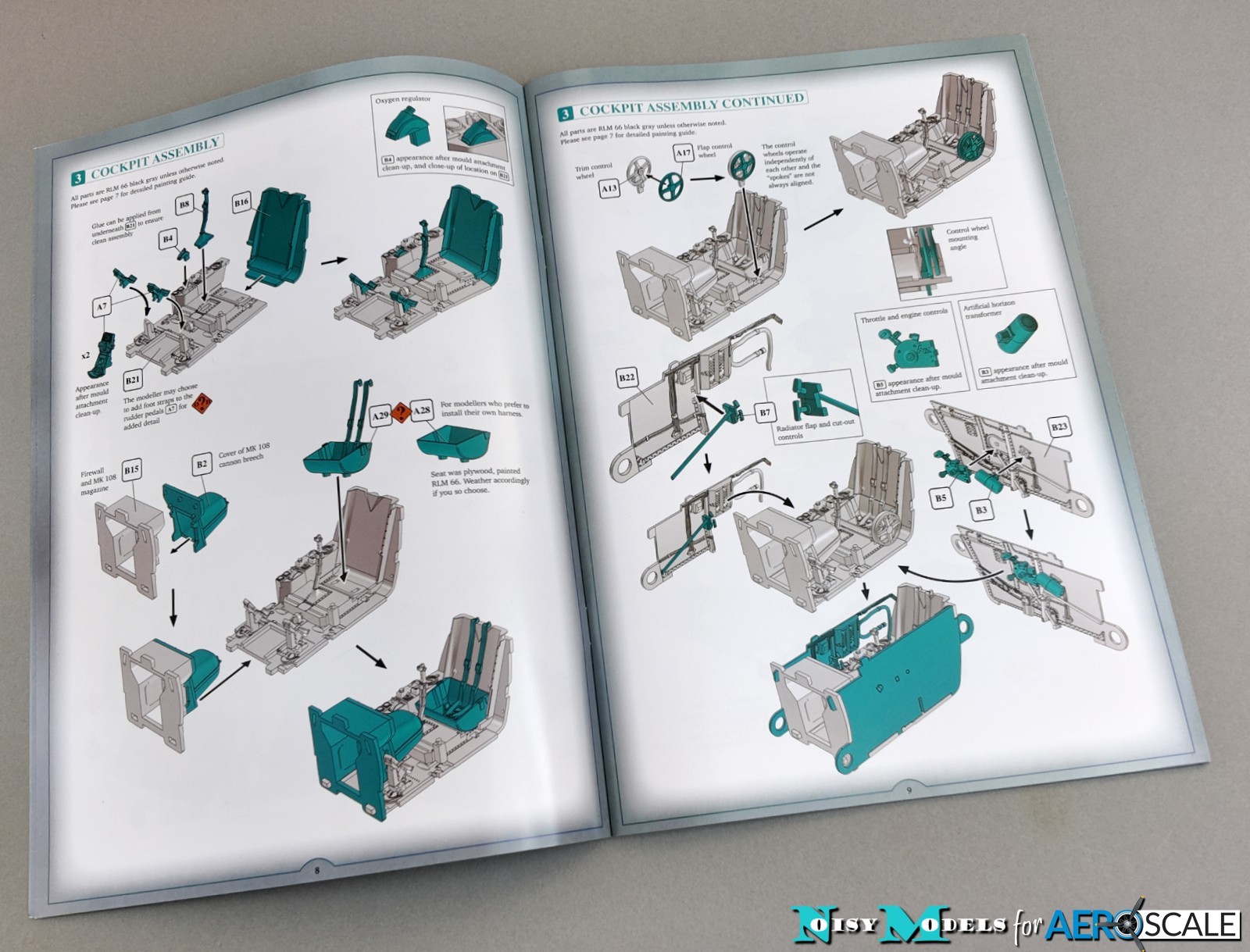
Two full pages are devoted to stencil placement guides before the main painting section for a trio of colour schemes:
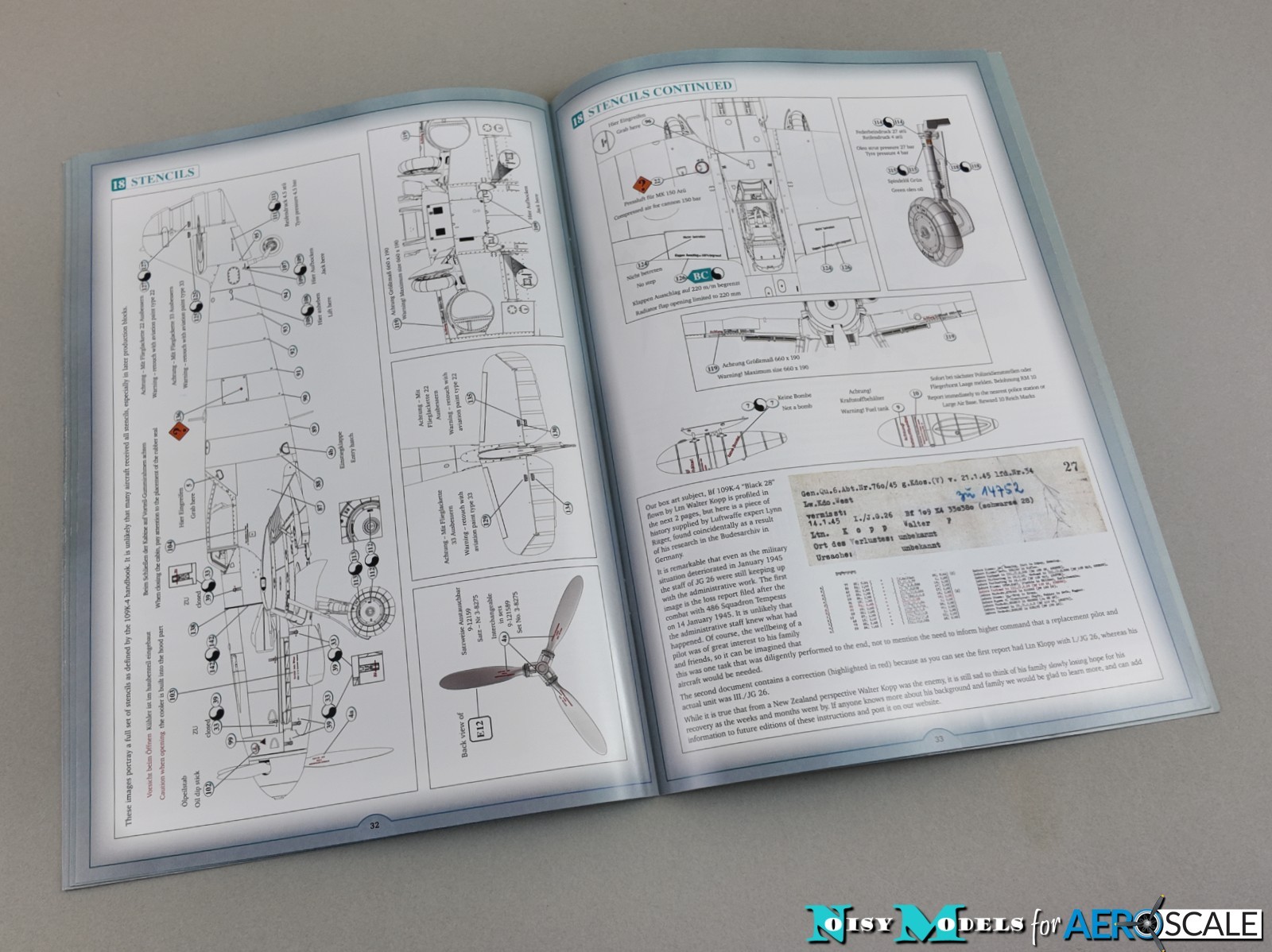
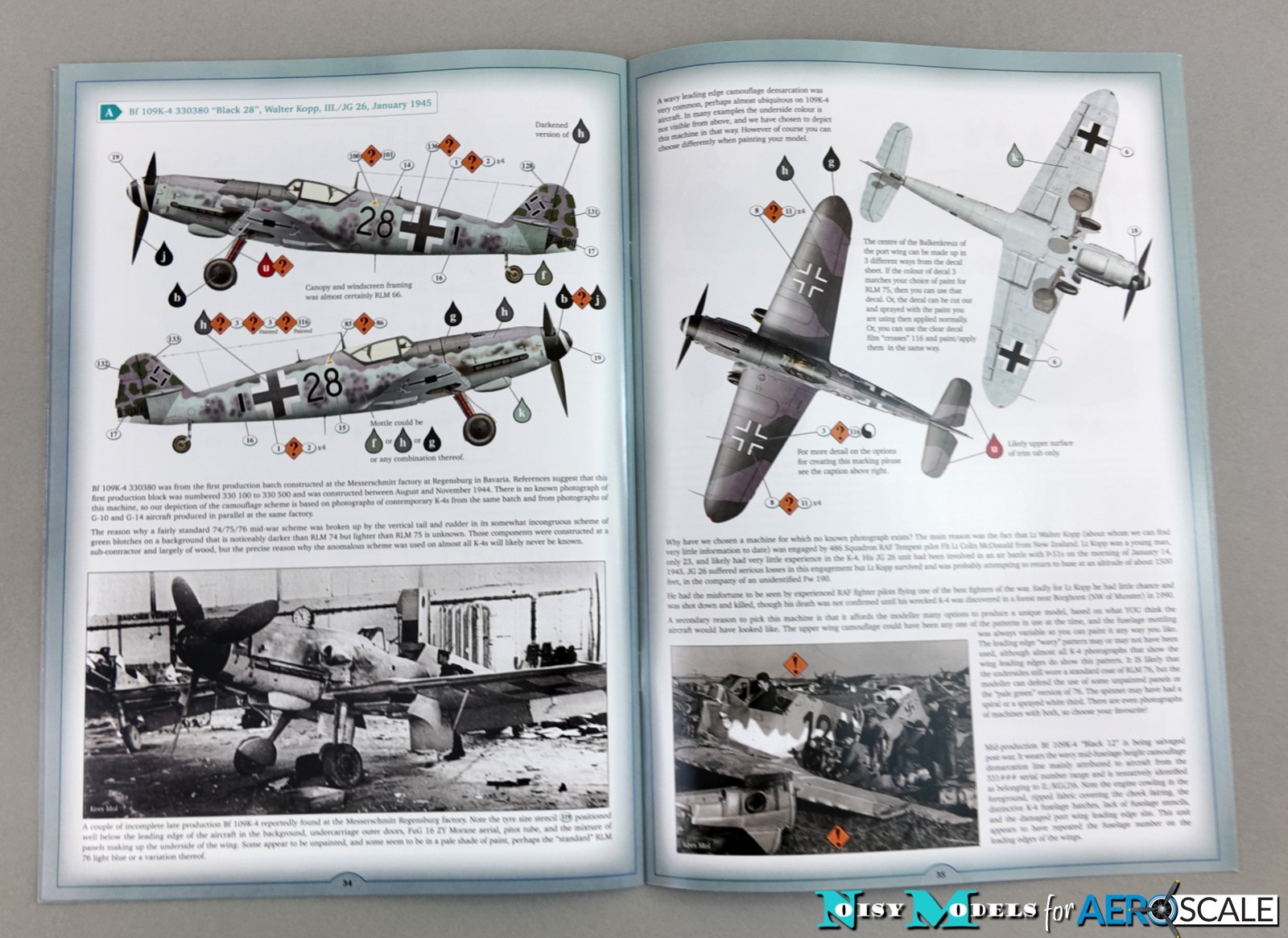
A. Bf 109K-4, W.Nr. 330380, "Black 28", flown by Walter Kopp, III./JG 26, January 1945
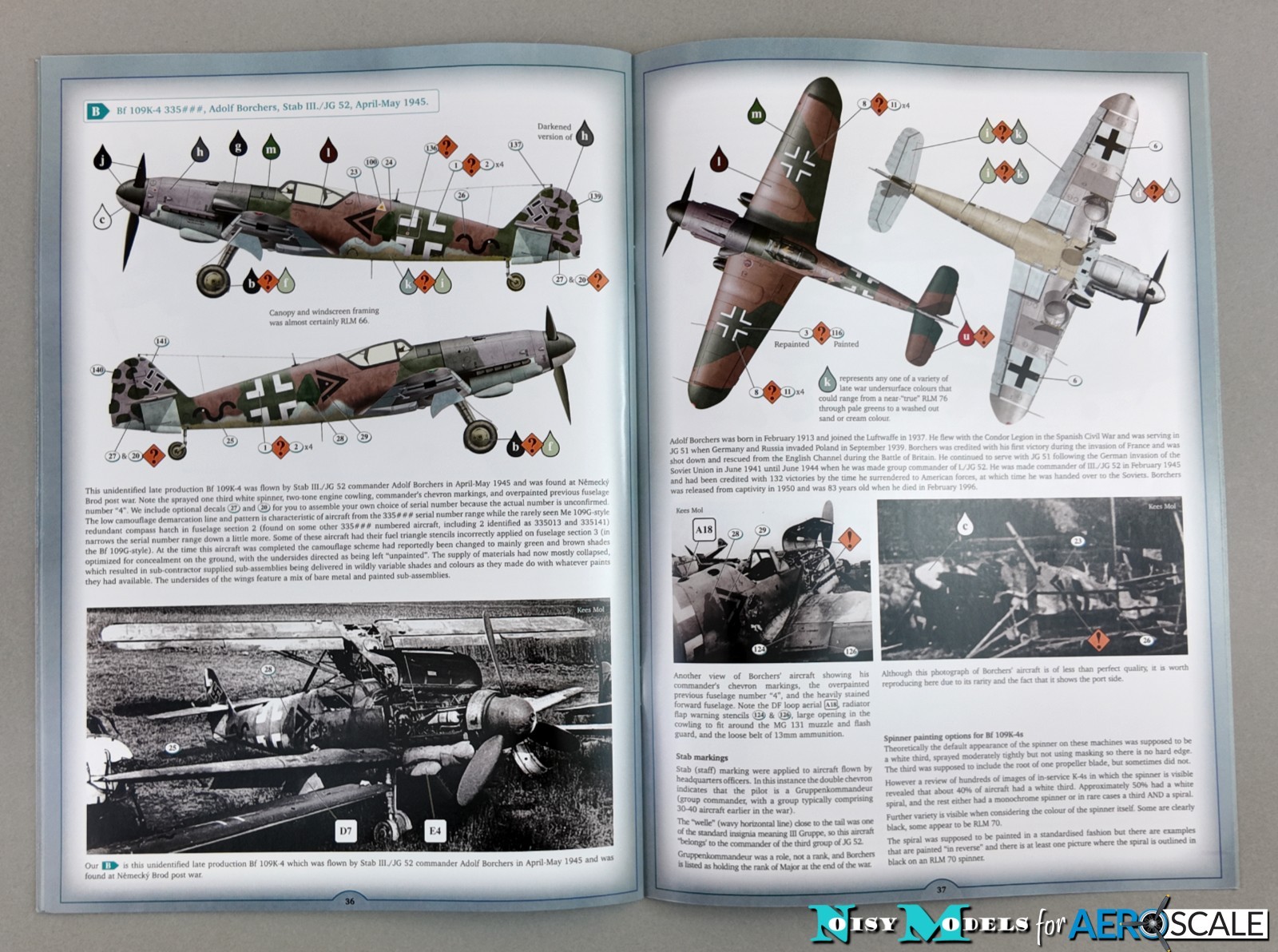
B. Bf 109K-4, W.Nr. 335***, flown by Adolph Borchers, Stab III./JG 52, April-May 1945
C. Bf 109K-4, W.Nr. unknown, in captured USAAF markings, ex-II./JG 52, May-June 1945
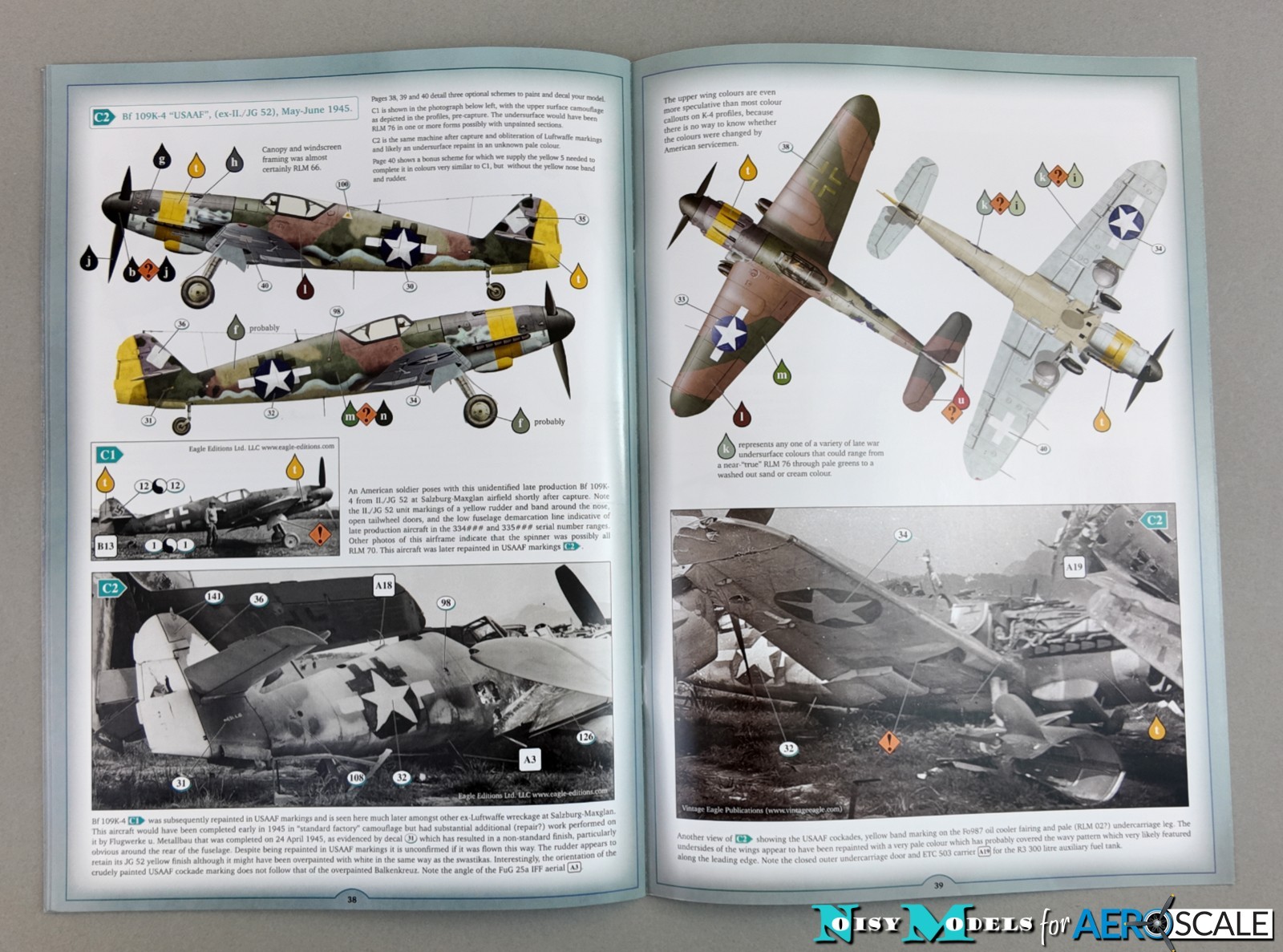
Each colour scheme is accompanied by detailed explanatory notes and period photos that will be worth keeping as references for future projects. One of the photos shows the last aircraft in its original Luftwaffe finish.
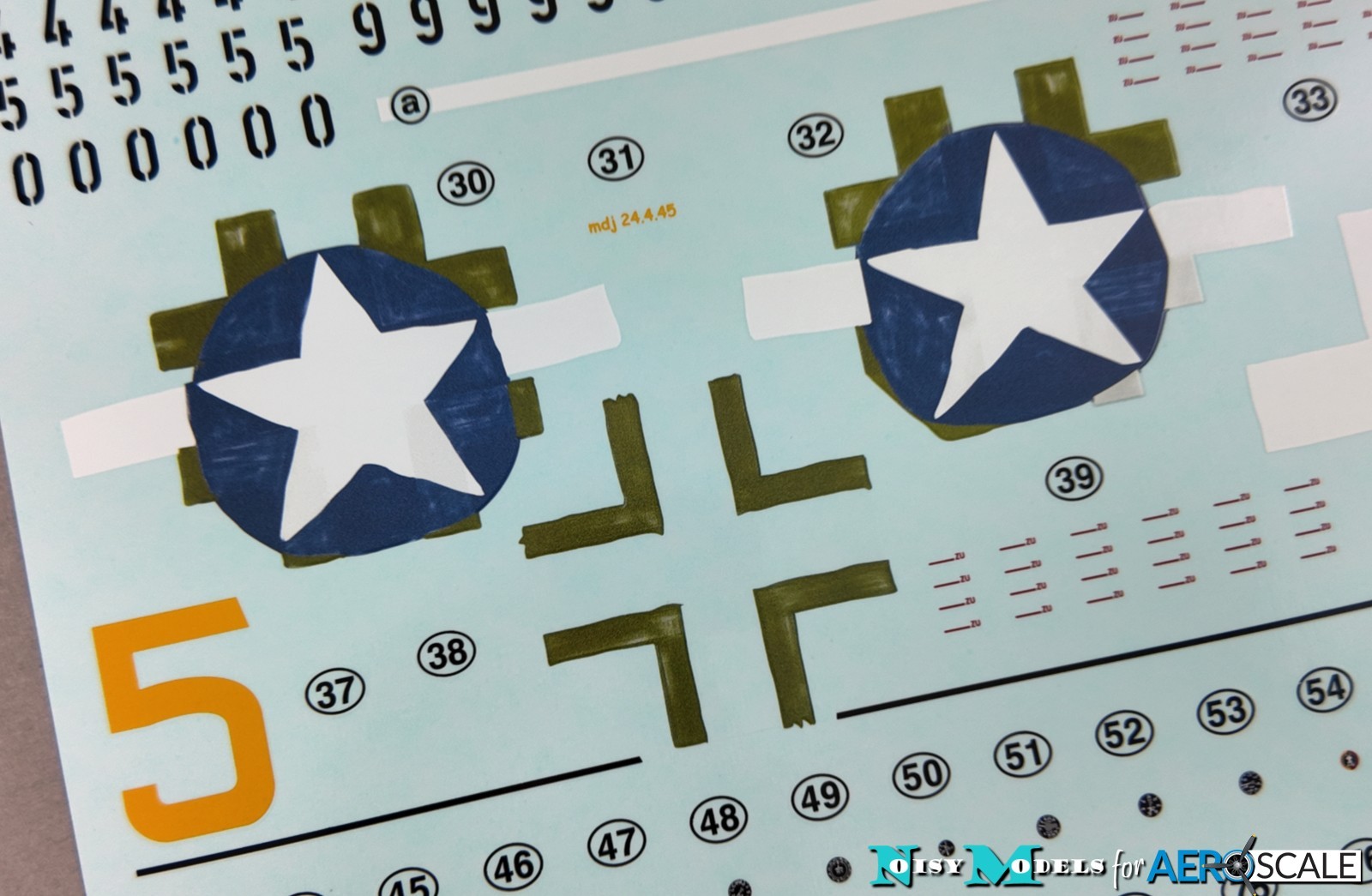
The decals are custom printed by Cartograf to their usual exceptional standard. The resolution is spot on and excess carrier film is basically non-existent. WhatI find particularly impressive is how the crudely-applied Allied markings for the captured aircraft have been represented, complete with patchy colour and brush-marks - simply superb! Plus, they are offered as precisely printed single decals, not overlapping layers, negating the need to line things up or mask elements laboriously.
Conclusion
Kotare's Bf 109K-4 is an outstanding kit in every respect - packed with detail, but designed in such a way that it promises to be a straightforward and thoroughly enjoyable build. It's clear that more variants are planned - one of the sprues is labelled to be shared with a 'G-10, while another simply says "Bf 109G/K-4" - so fans of late-war Luftwaffe fighters are in for real treat!
I'm going to get cracking on building this beauty as soon as time allows!
Prices in the UK seem to vary quite a bit, but you can find it retailing for just under £70, and at this price it represents great value for a kit of its quality and detail. I bought my Kurfürst from Jadlam Racing - my go-to online retailer these days, who offer a handy bonus points system for discounts on future purchases.
Please remember, when contacting retailers or manufacturers, to mention that you saw their products highlighted here - on AEROSCALE