












Introduction
The Handley Page HP.52 Hampden was a British twin-engine medium bomber that served with the Royal Air Force (RAF) during the early years of World War II. Known for its distinctive high, narrow, and slab-sided fuselage, it was widely nicknamed the "Flying Suitcase" by its crews due to its incredibly cramped interior.
Key Characteristics & Design
• Performance: Despite its odd appearance, it was remarkably fast (265 mph) and highly manoeuvrable, with a low landing speed of 73 mph.
• Fuselage: The fuselage was only three feet wide, meaning the four-man crew (pilot, navigator/bomb aimer, radio operator, and rear gunner) were essentially confined to their stations for the duration of a flight.
• Armament: It initially carried four manually operated .303 machine guns. Because of its narrow design, it could not be fitted with power-operated turrets, which left it vulnerable to modern fighters.
• Construction: It used a "split-assembly" modular construction technique, allowing different sections to be built separately before final assembly.
Operational History
• Early War: Along with the Vickers Wellington and Armstrong Whitworth Whitley, it formed the backbone of Bomber Command in 1939. It participated in the first night raid on Berlin and the first 1,000-bomber raid on Cologne.
• Coastal Command: After being withdrawn from primary bombing duties in late 1942, it served as a torpedo bomber (TB Mk I) and maritime reconnaissance aircraft until late 1943.
• International Use: It was also operated by the Royal Canadian Air Force (RCAF), Royal Australian Air Force (RAAF), and Soviet Naval Aviation.
• The "Hereford": A variant powered by Napier Dagger inline engines was known as the Handley Page Hereford, but it was considered a failure due to engine reliability and cooling issues.
Specifications (Mk I)
Feature Detail
Crew 4
Engines 2 × Bristol Pegasus XVIII radial engines (1,000 hp each)
Max Speed 247–265 mph
Range 1,720 miles
Bomb Load Up to 4,000 lbs of bombs, mines, or a single 18-inch torpedo
Survivors
Today, there are no airworthy Hampdens, but three airframes exist in various states of restoration:
1. RAF Museum (London): Serial P1344 was recently moved to the RAF Museum London in mid-2025 for its first public display after a long restoration.
2. Canadian Museum of Flight: Serial P5436 is on display in Langley, British Columbia.
3. Lincolnshire Aviation Heritage Centre: Serial AE436 is currently being restored to static condition at East Kirkby.
Review
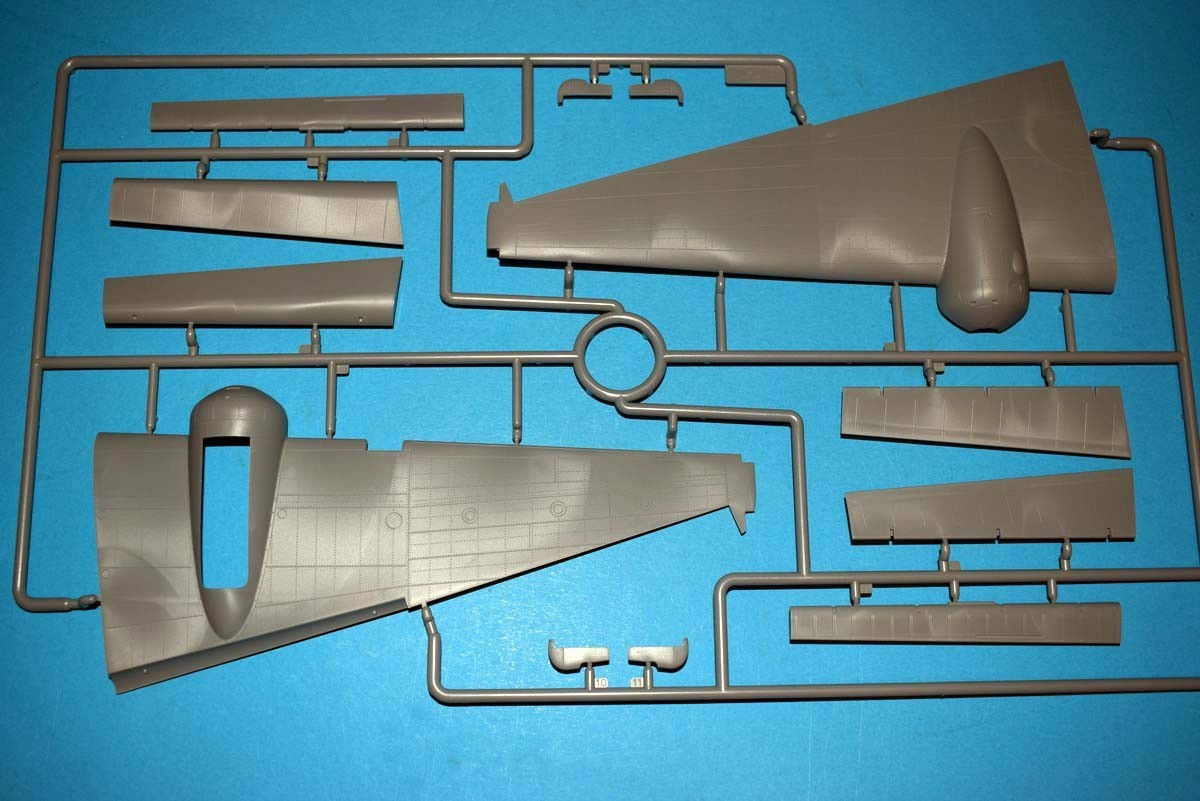
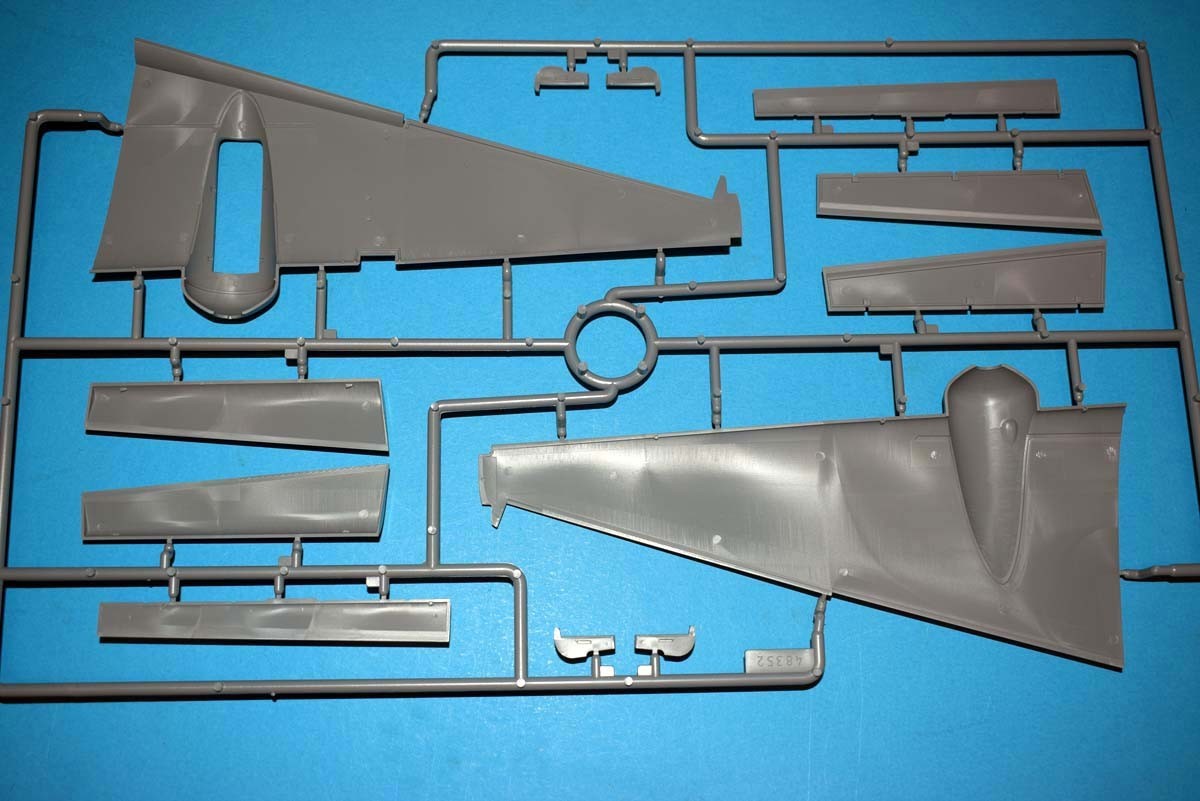
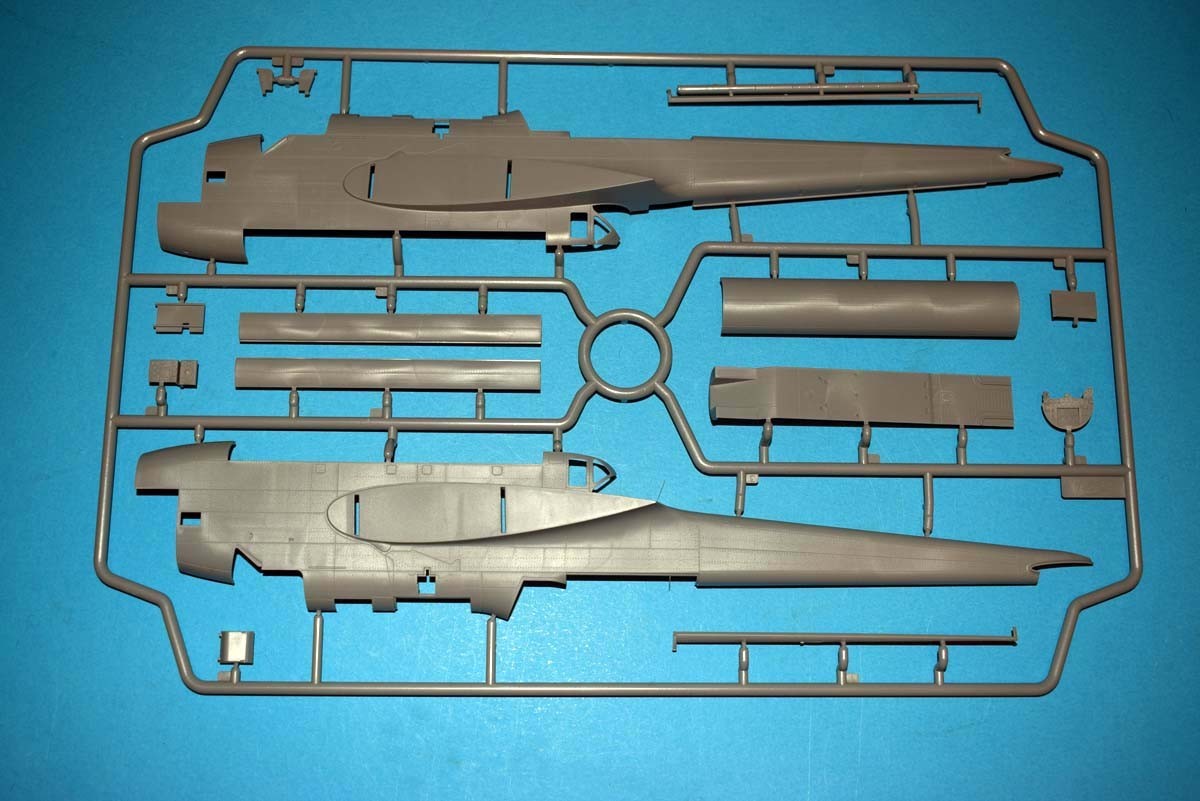
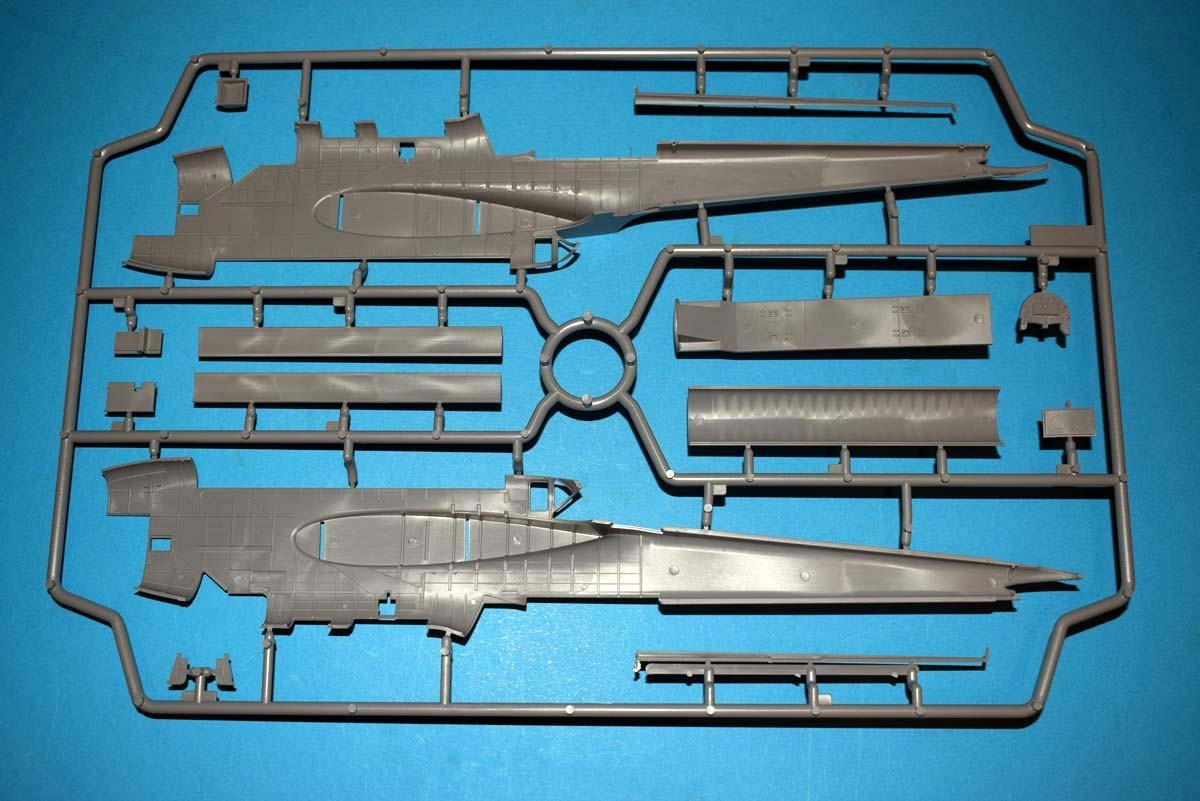
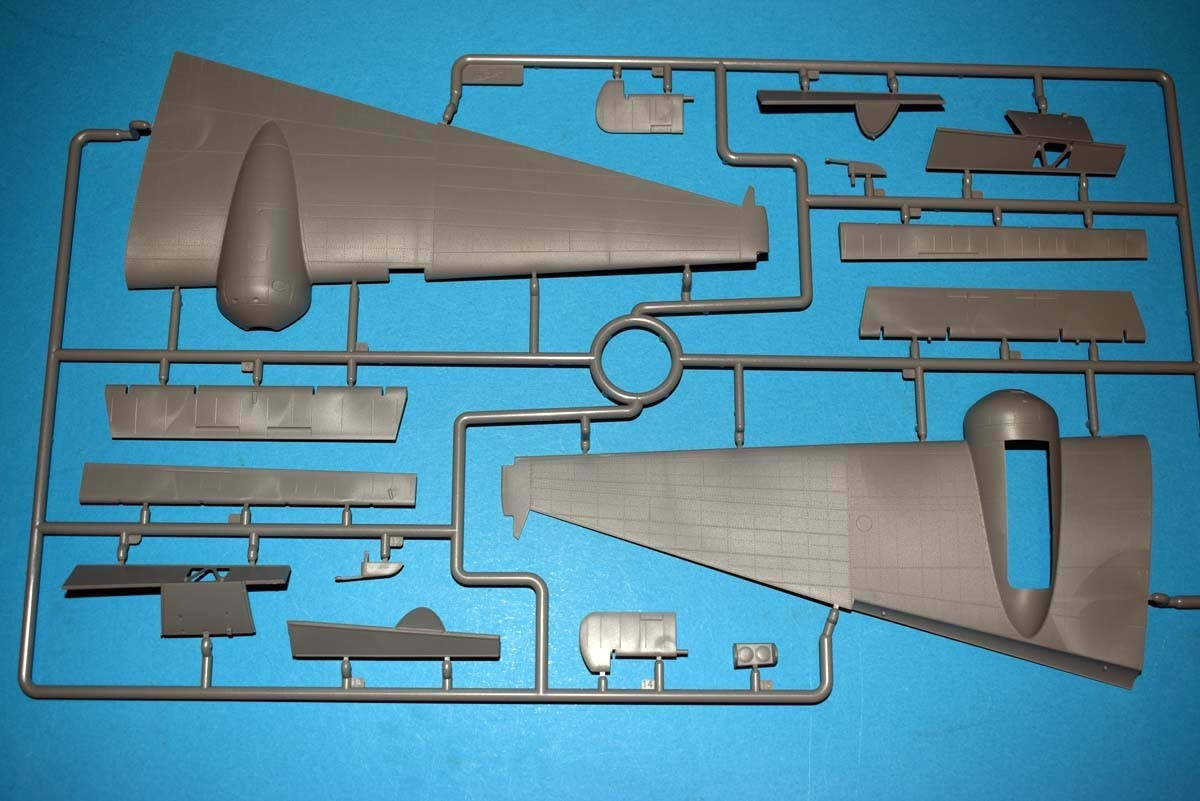
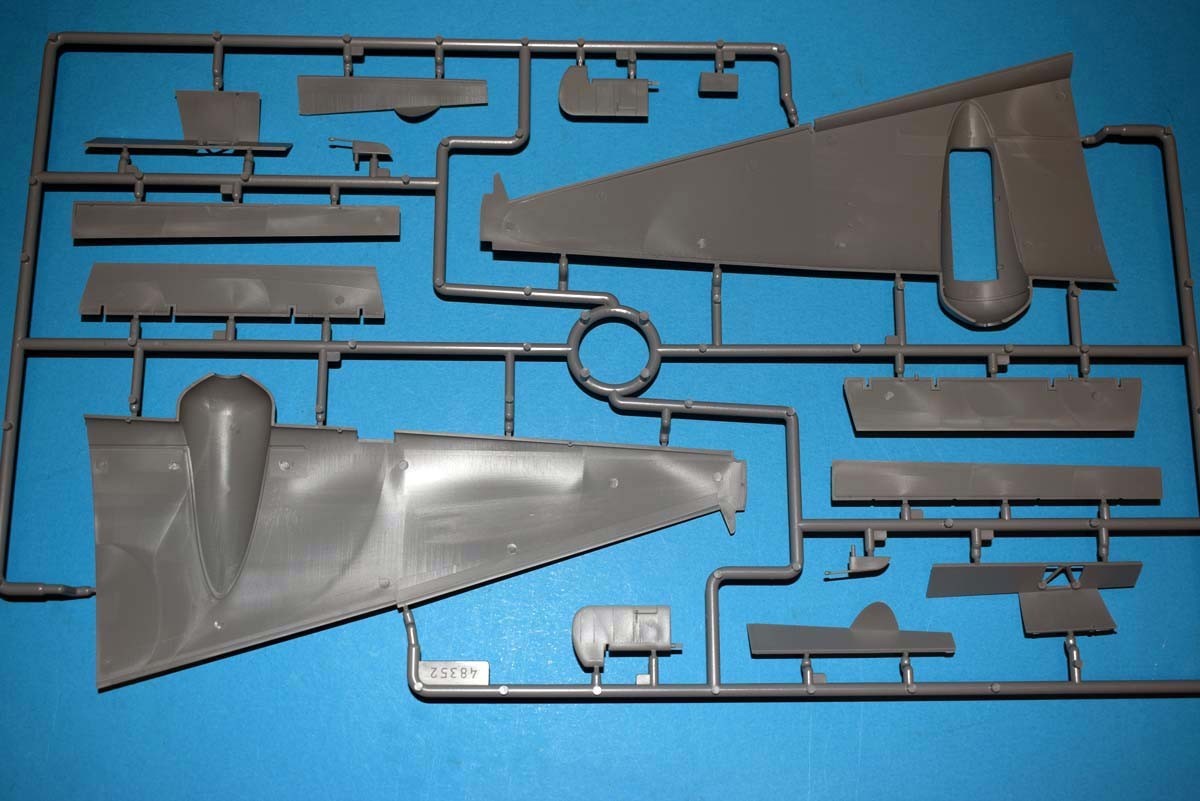
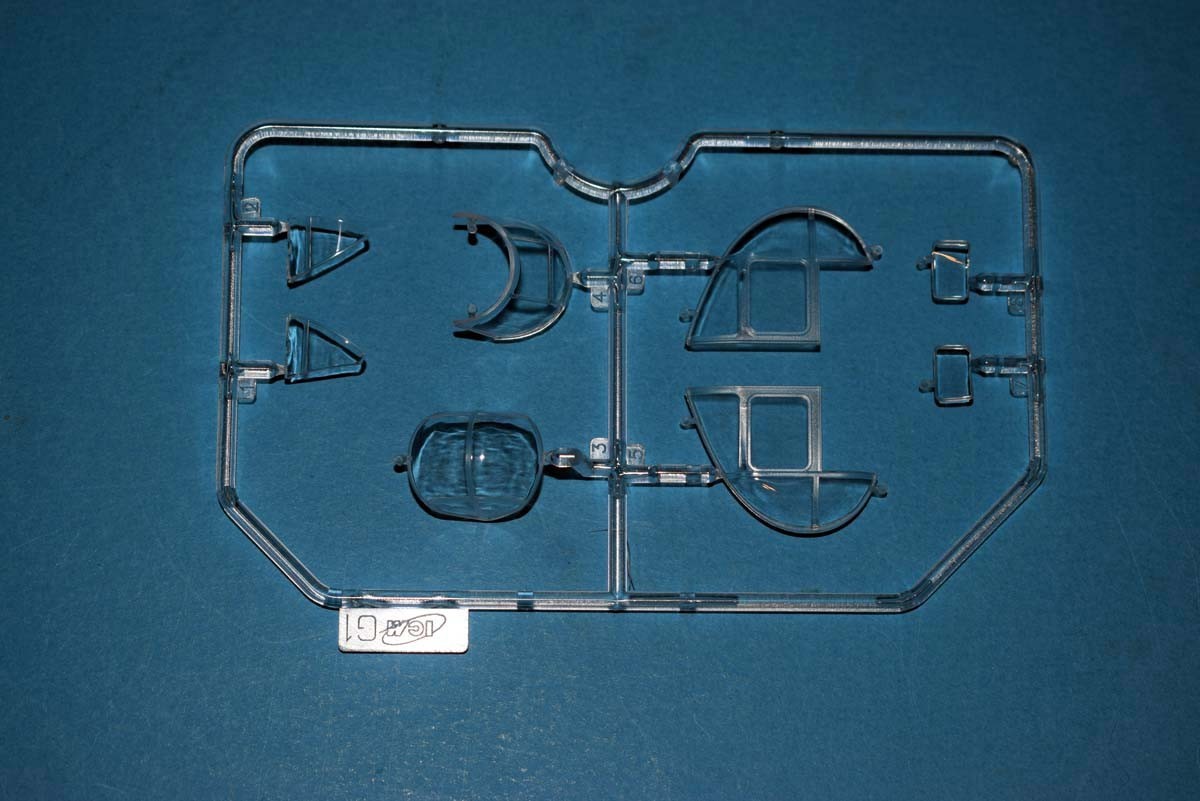
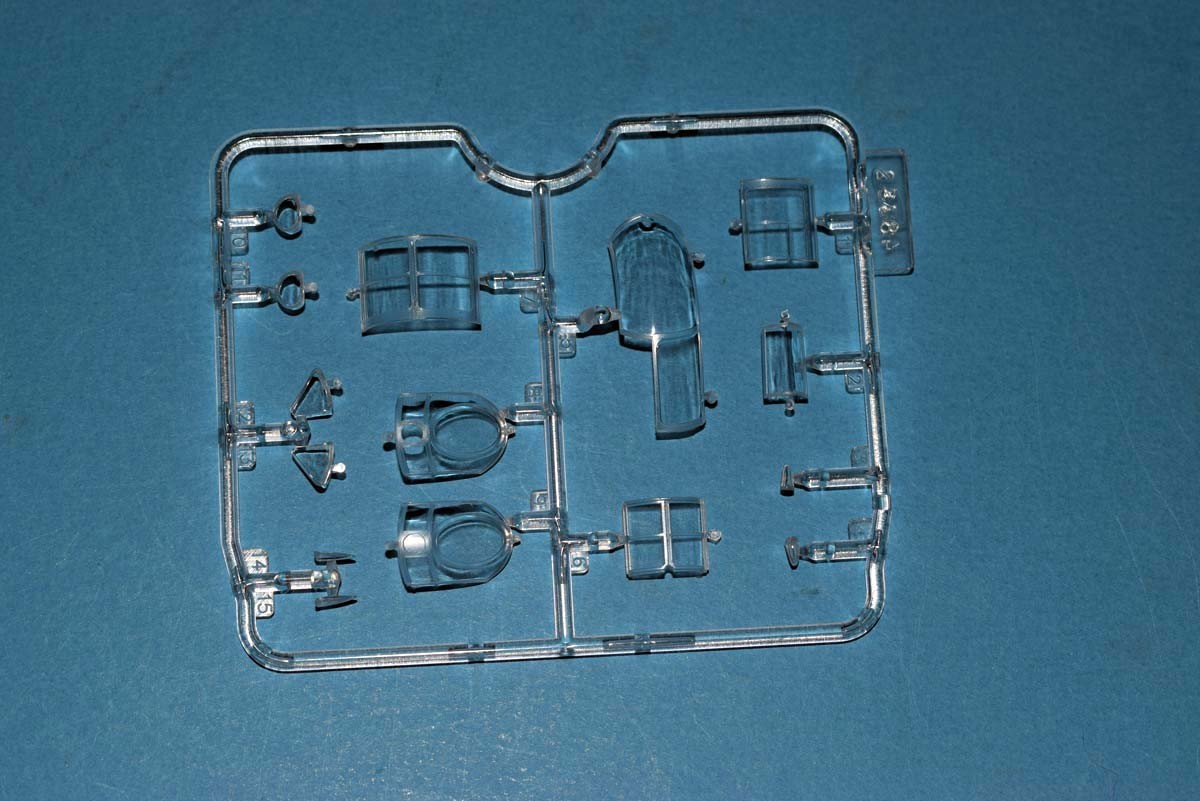
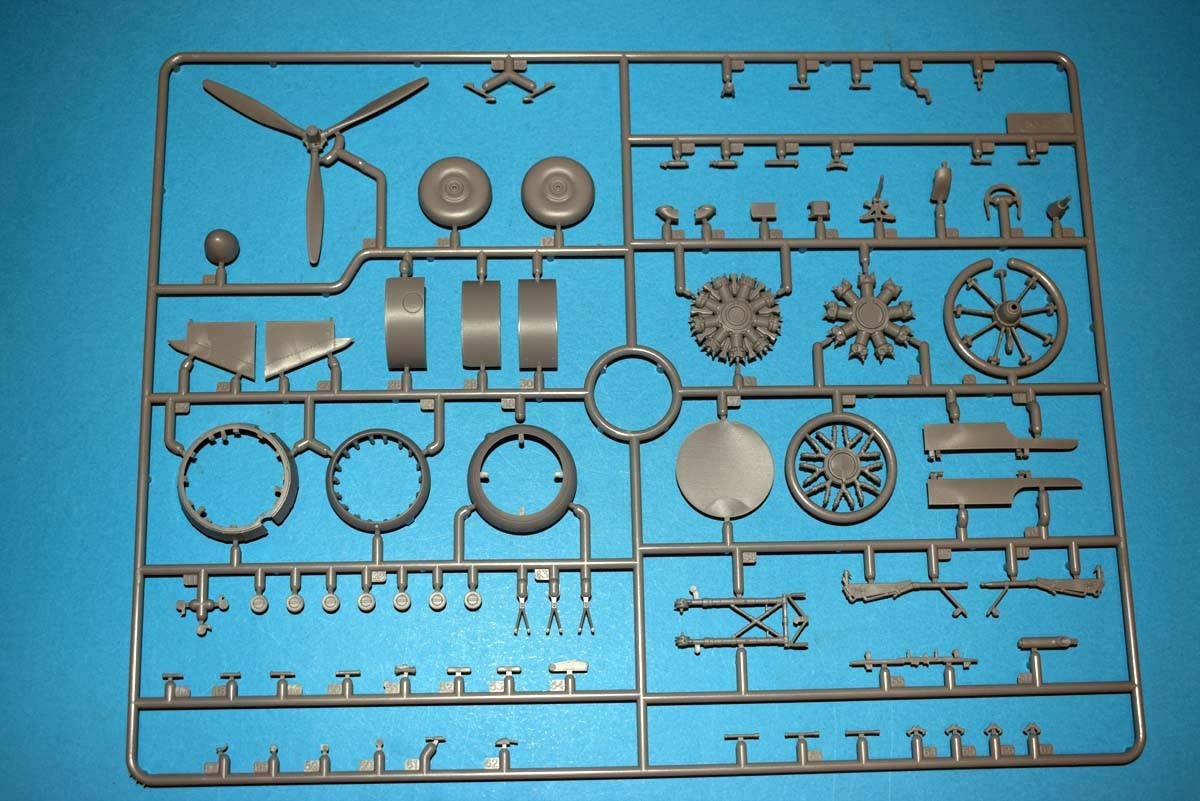
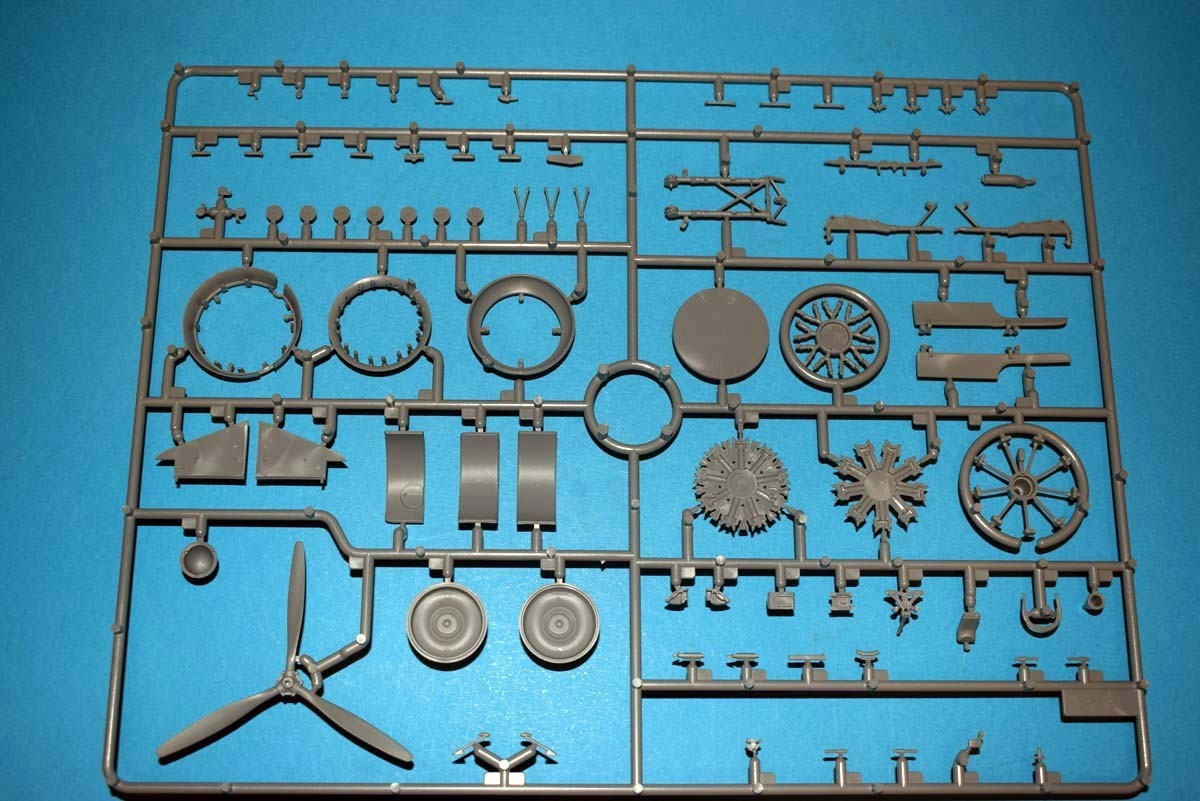
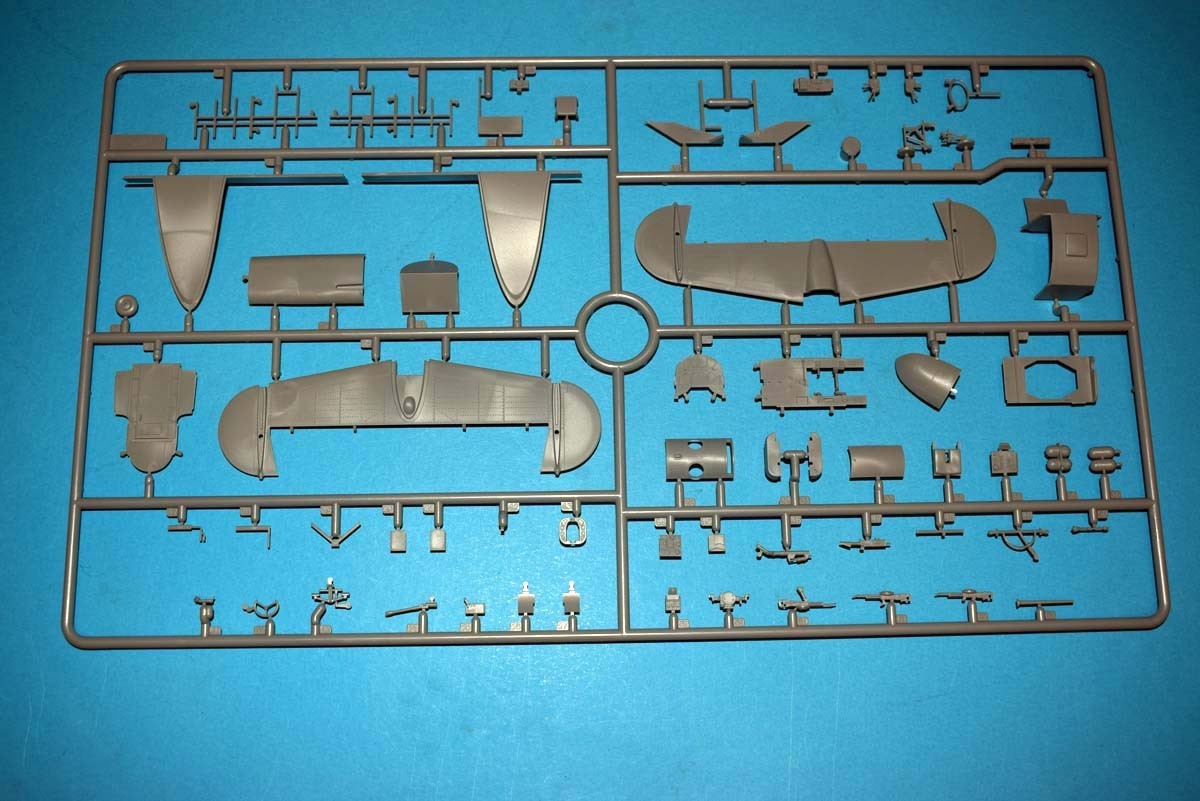
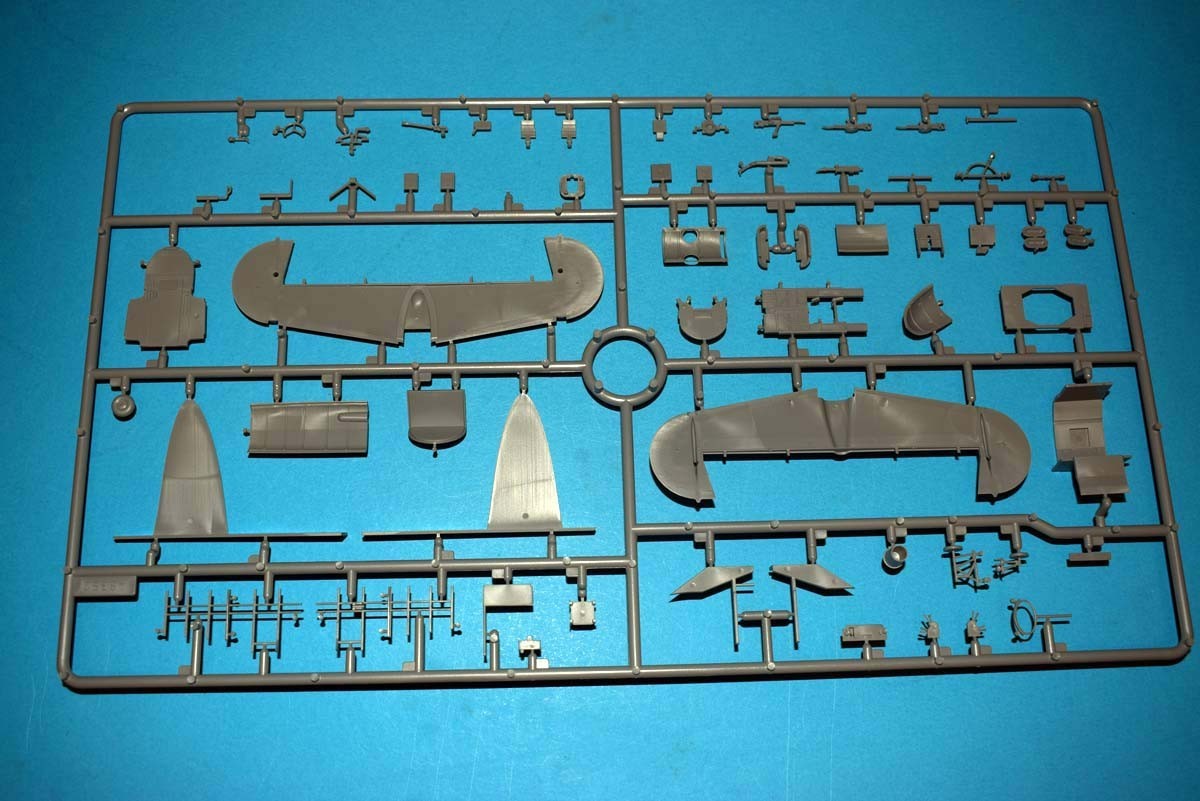
This offering from ICM is well packaged looking at the kit, it is protected by not only the bag inside but also well constructed box that should survive most handling by the post office looking at the model itself the parts should be relatively easy to remove with good access to the gates to cut and release parts.
Looking at the interior of the model it would appear that parts are well placed and show off the cramped space very well and there are no obvious problems beyond the traditional lack of seat harnesses which I've started to overcome by the simple use of Tamiya tape of a suitable width. I also like the amount of frame work detail within the fuselage, but I doubt very much will be seen. Some nice touches are the inclusion of ammunition drums for the Lewis light machine guns.
Looking at the exterior of the model the panel lines are well scribed being both shallow and well formed. So far as I am aware the panel lines are accurate but I am not an expert on the aircraft and i hope for input by members who may know differently. All of the flight surfaces are eye-catching due to the level of detail. All of the control surfaces can be set as desired as they are individually moulded.
The engines are also well detailed which is a normal addition by ICM who like to add little gems such as these. My issue with them is that they can be difficult to accurately display depending on the cowlings. Moving along the nacelle to the undercarriage which has generally very pleasing detail from what I have been able to visually assess. You will as is common need to add the brake lines and some detail within the bay itself.
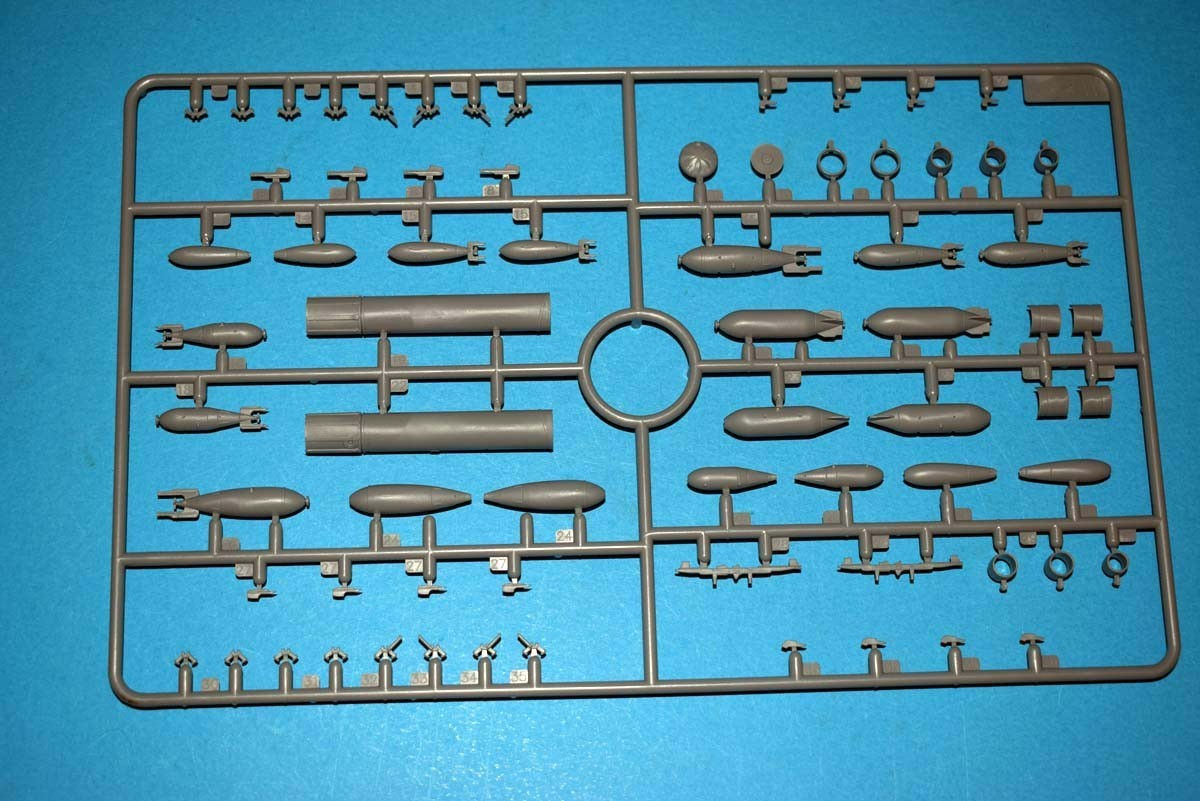
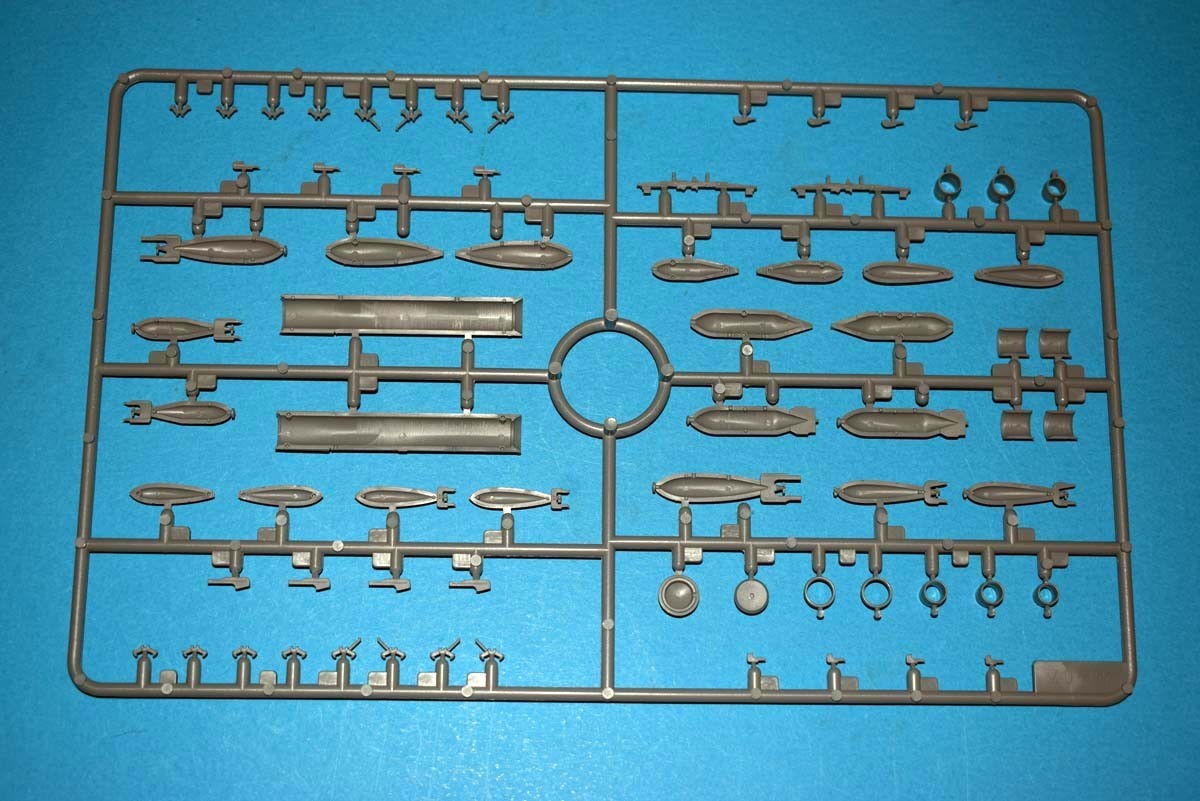
Continuing along the models underside we come to the Bomb bay for which there are a good selection of bombs are provided, but it is not indicated in the instructions what a bomb load would look like however it's a plus to see them included. Anyone who believes that this model is going to be a quick and easy build will be in for a shock as the amount of detail ICM has put into it is of an exceptionally high quality and it will take you time to get everything sorted the way you want it.
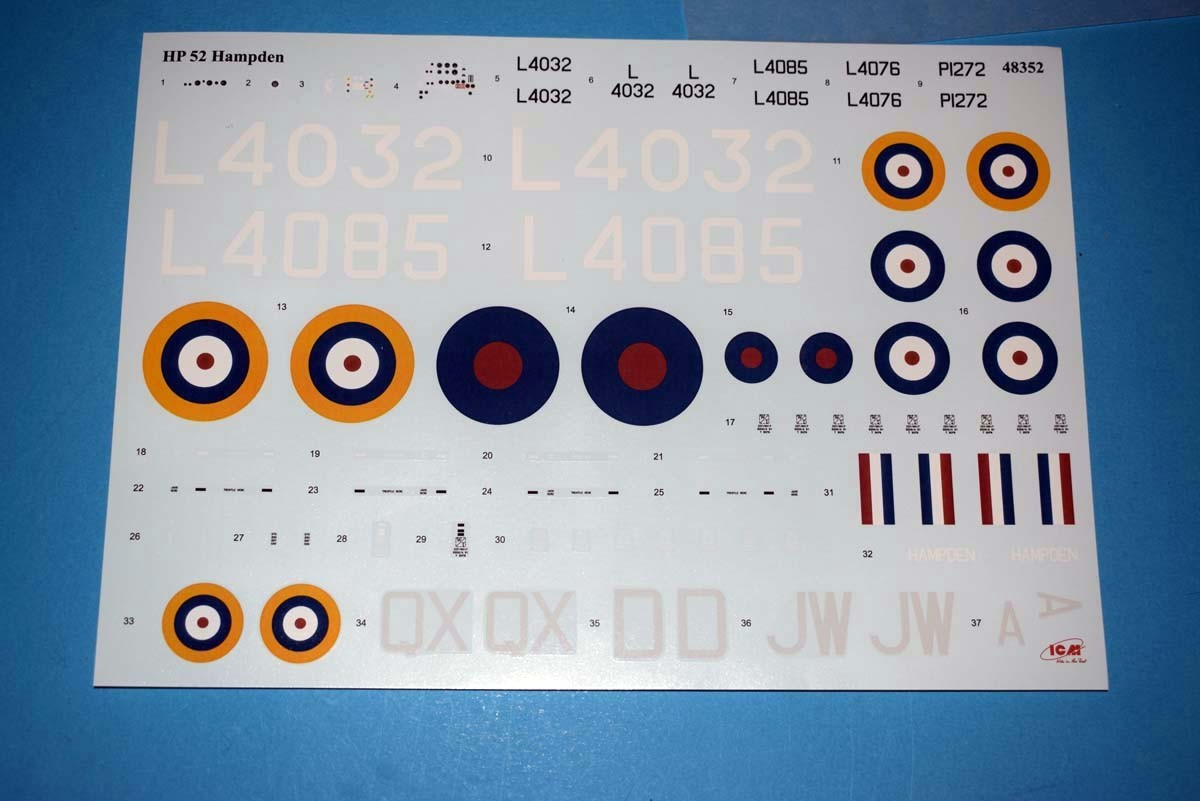
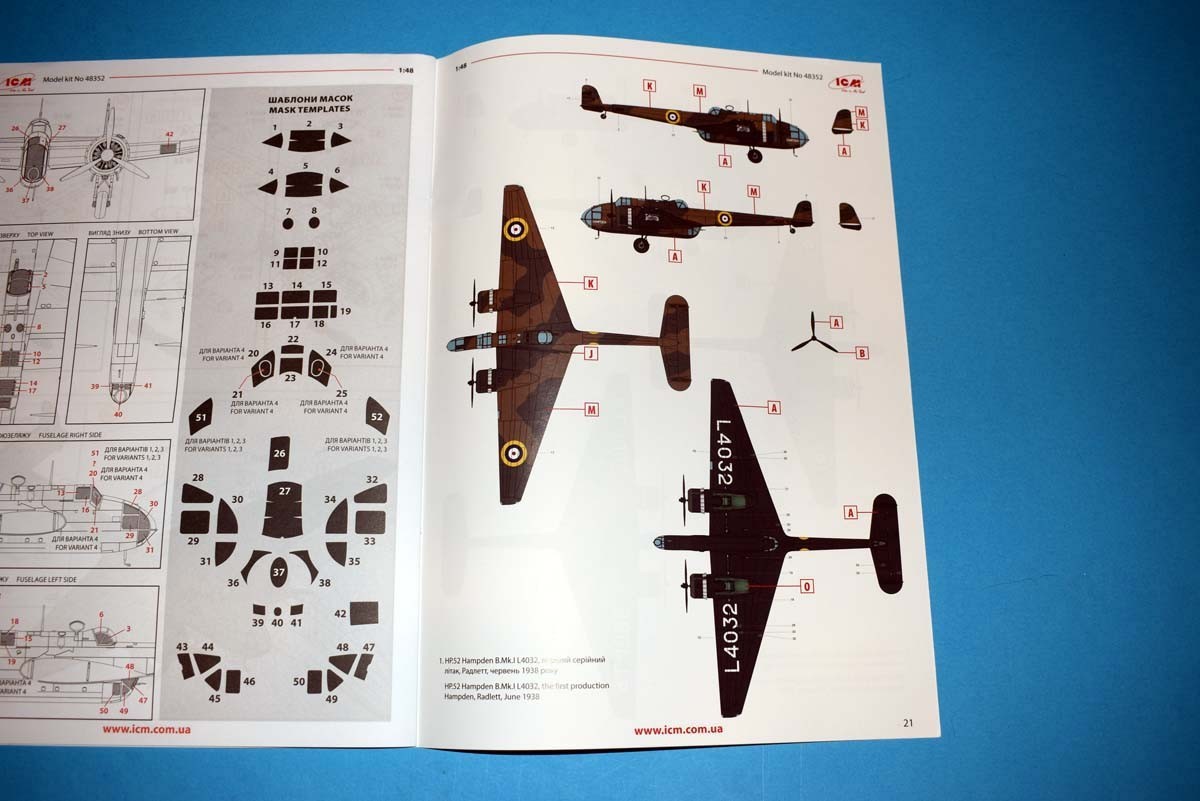
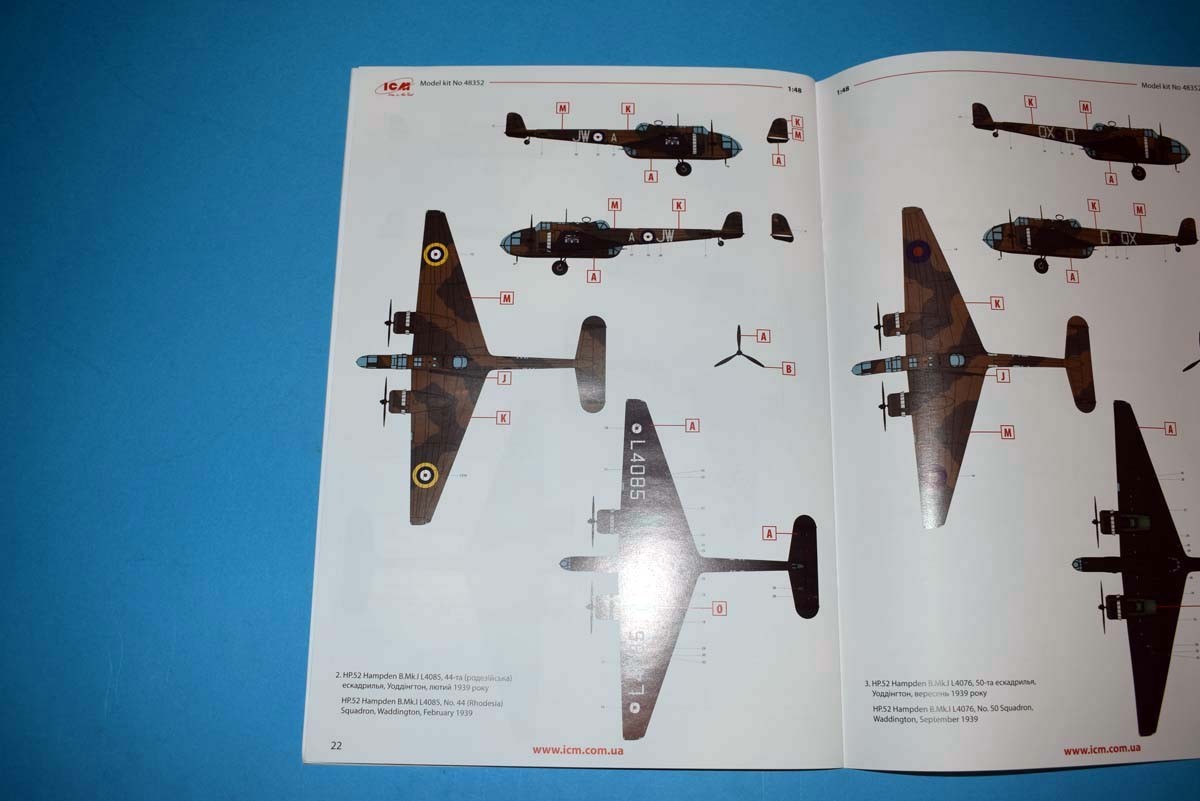
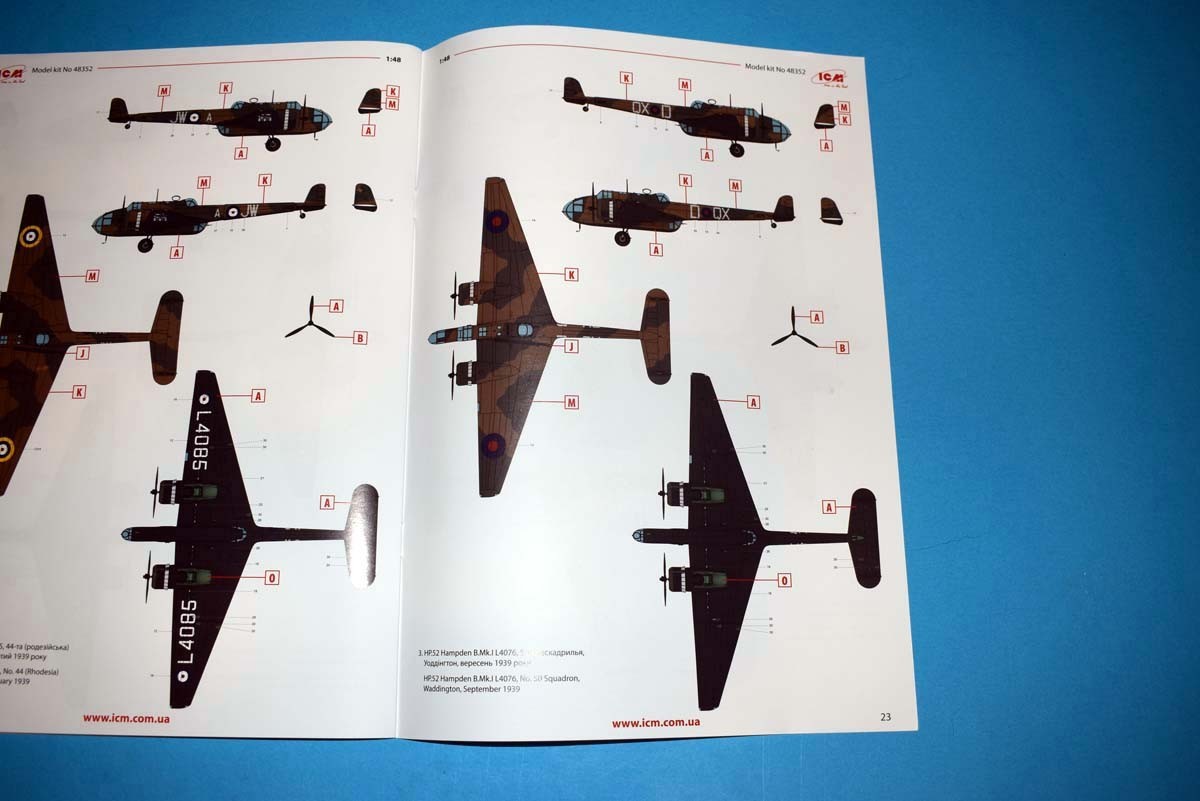
ICM has provided four finishing options for the kit and has included a guide for producing your own mask to cover the glazed areas of the model during painting. Finishing options are as follows
HP 52 Hampton B Mk.1, L4032 the first production Hampton, radlett, June 1938
HP52 Hampton B Mk.1, L4085 number 44 Rhodesia squadron, Waddington, February 1939
HP 52 B mark Mk.1, L4076 number 50 squadron, Waddington, September 1939
HP 52 Hampton B Mk.1, V1 272 torpedo development unit, December 1939