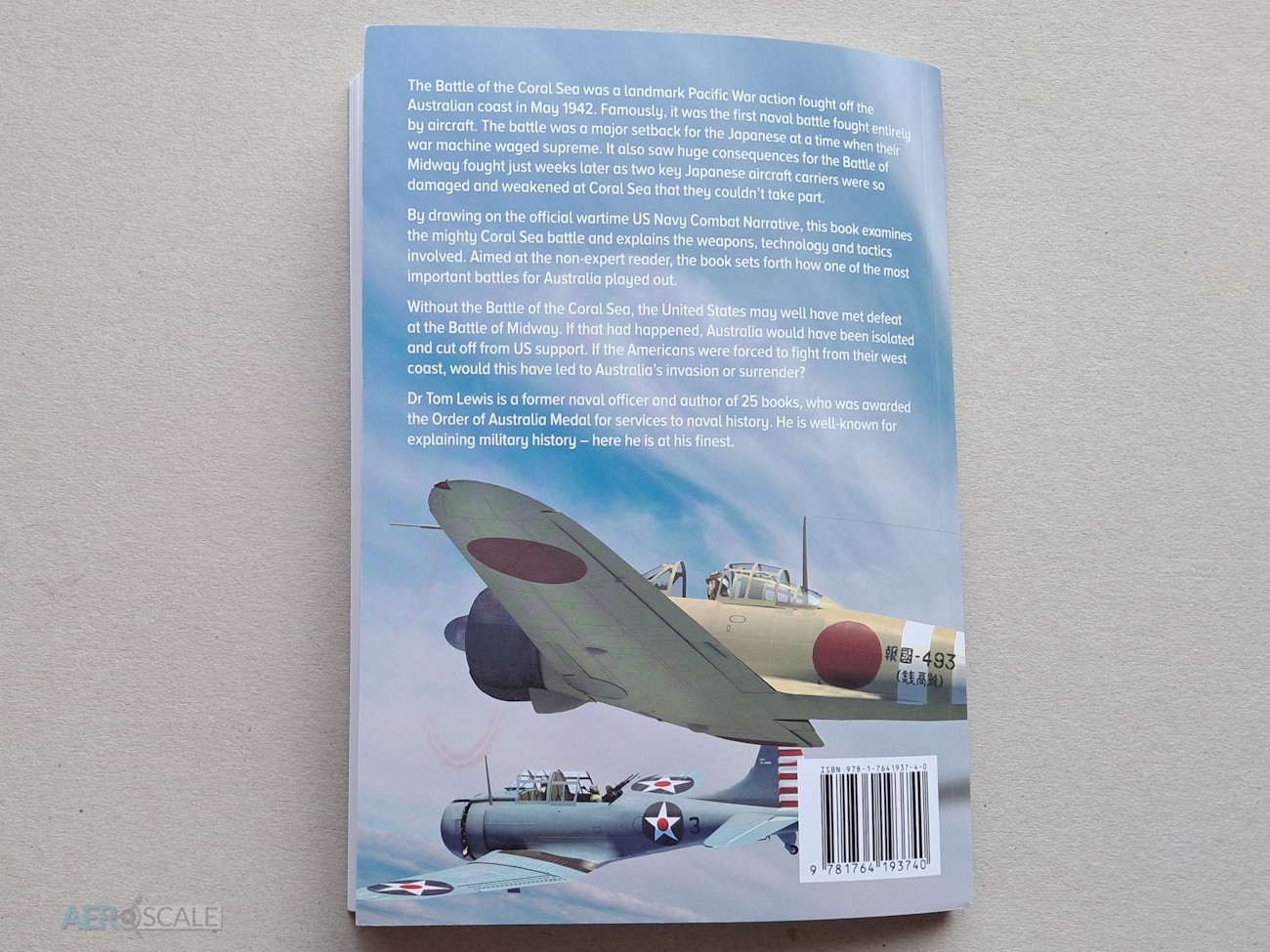












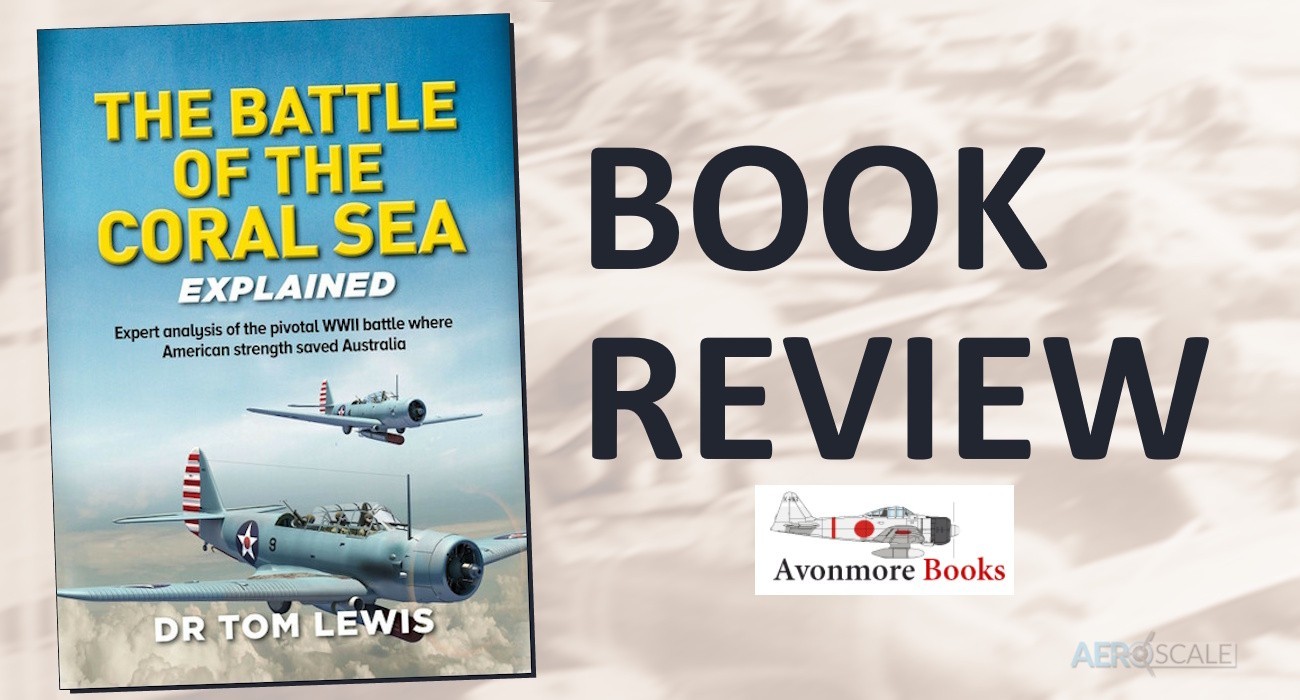
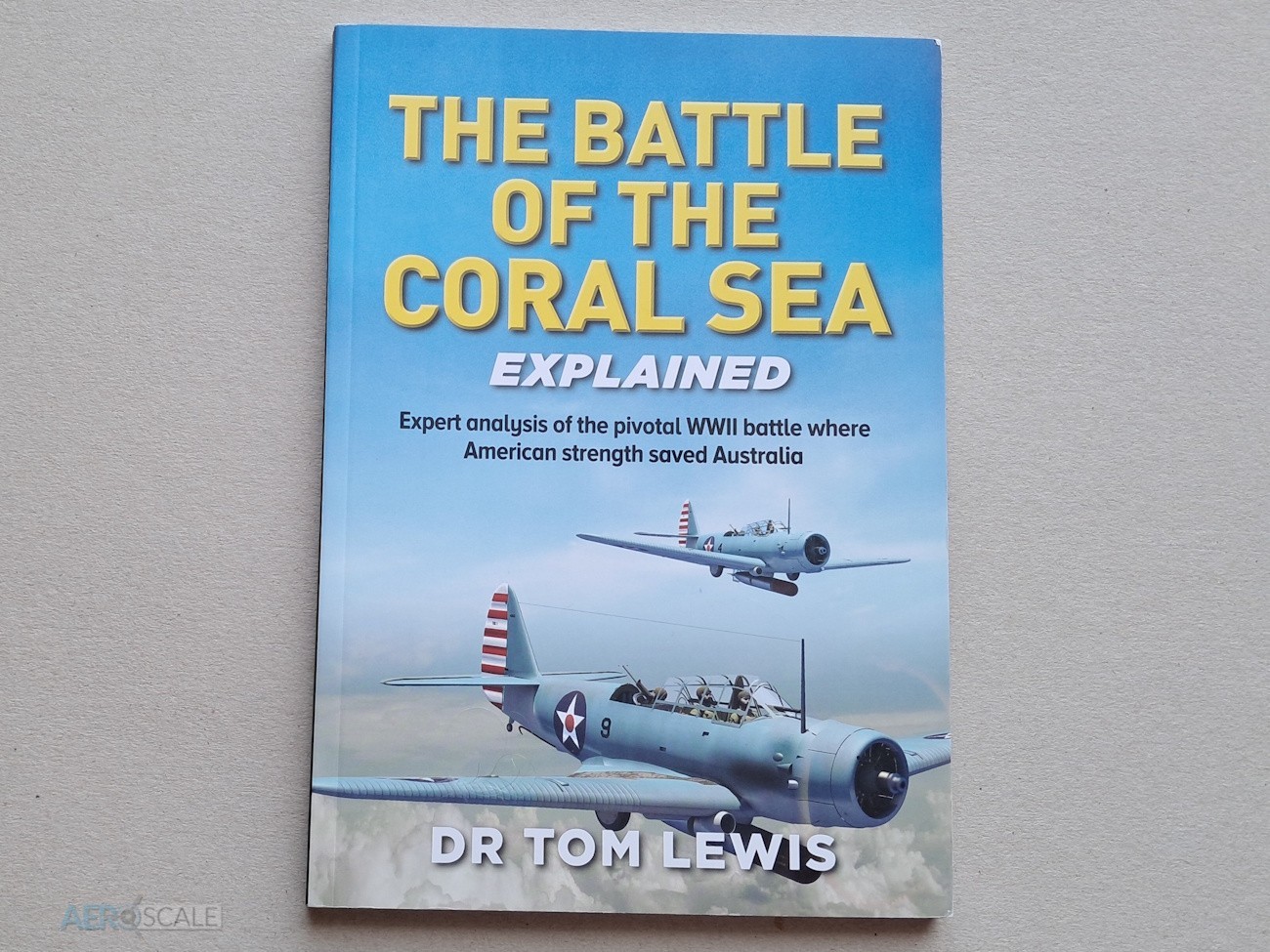
Battle of the Coral Sea Explained Dr Tom Lewis aim with this book is to explain to anyone who has little or no knowledge about the conflict. The landmark battle fought close to the Australian coast, marked the first naval battle fought entirely by aircraft. The author has sensibly divided the book into three sections:
- What the two sides had at their disposal.
- How they operated and fought.
- Where and how the battle took place.
Japan’s imperial ambitions in the Pacific began to take shape in the last decade of the nineteenth century. The author describes the increasingly militaristic nature of the Japanese government. The path through the 1930’s paralleled the rise of the Third Reich in Germany, with the Japanese seeking their own goal abroad of a “Greater East Asia” and encouraging the principle of “Kodo”, the imperial way of conduct.
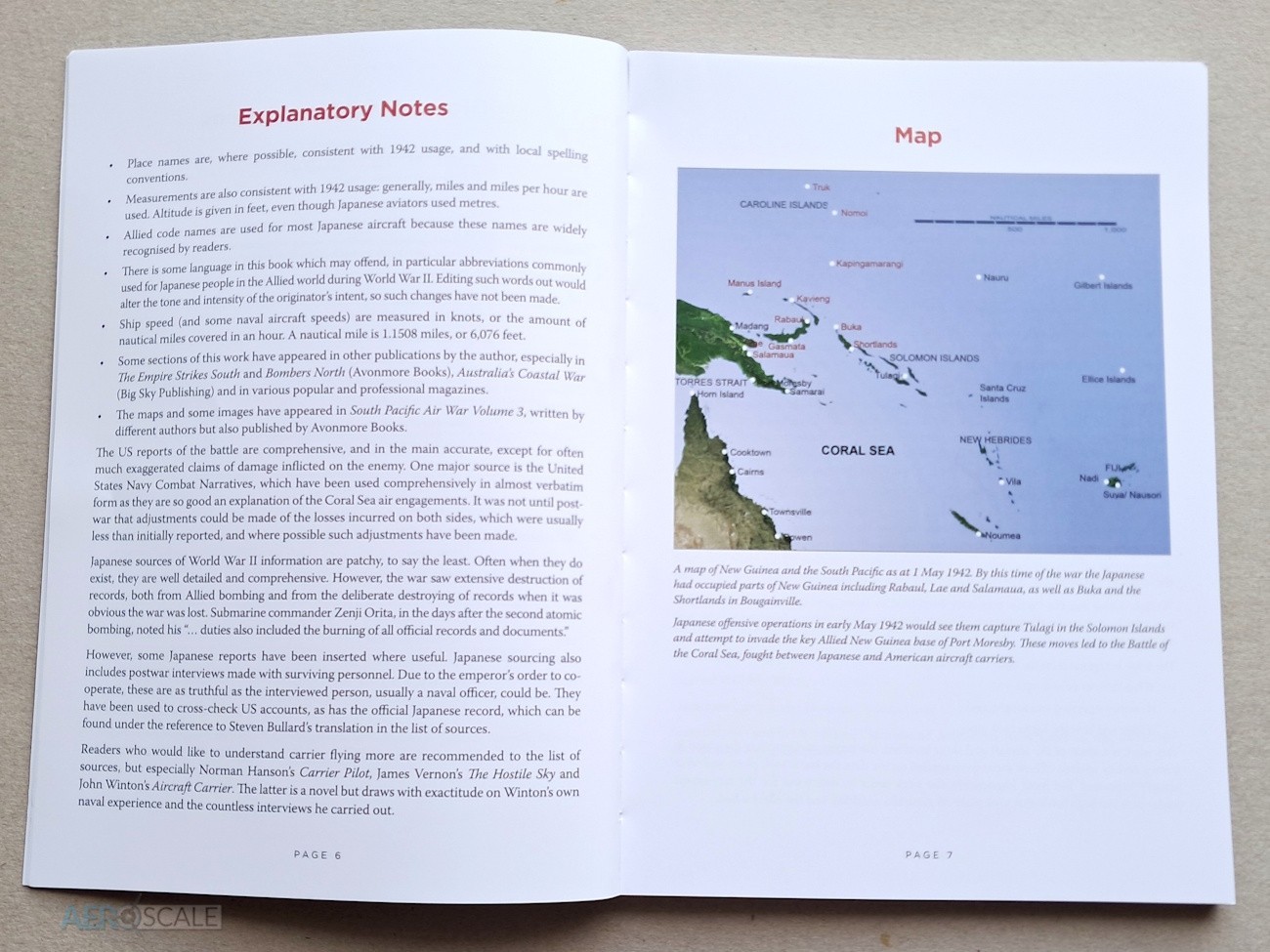
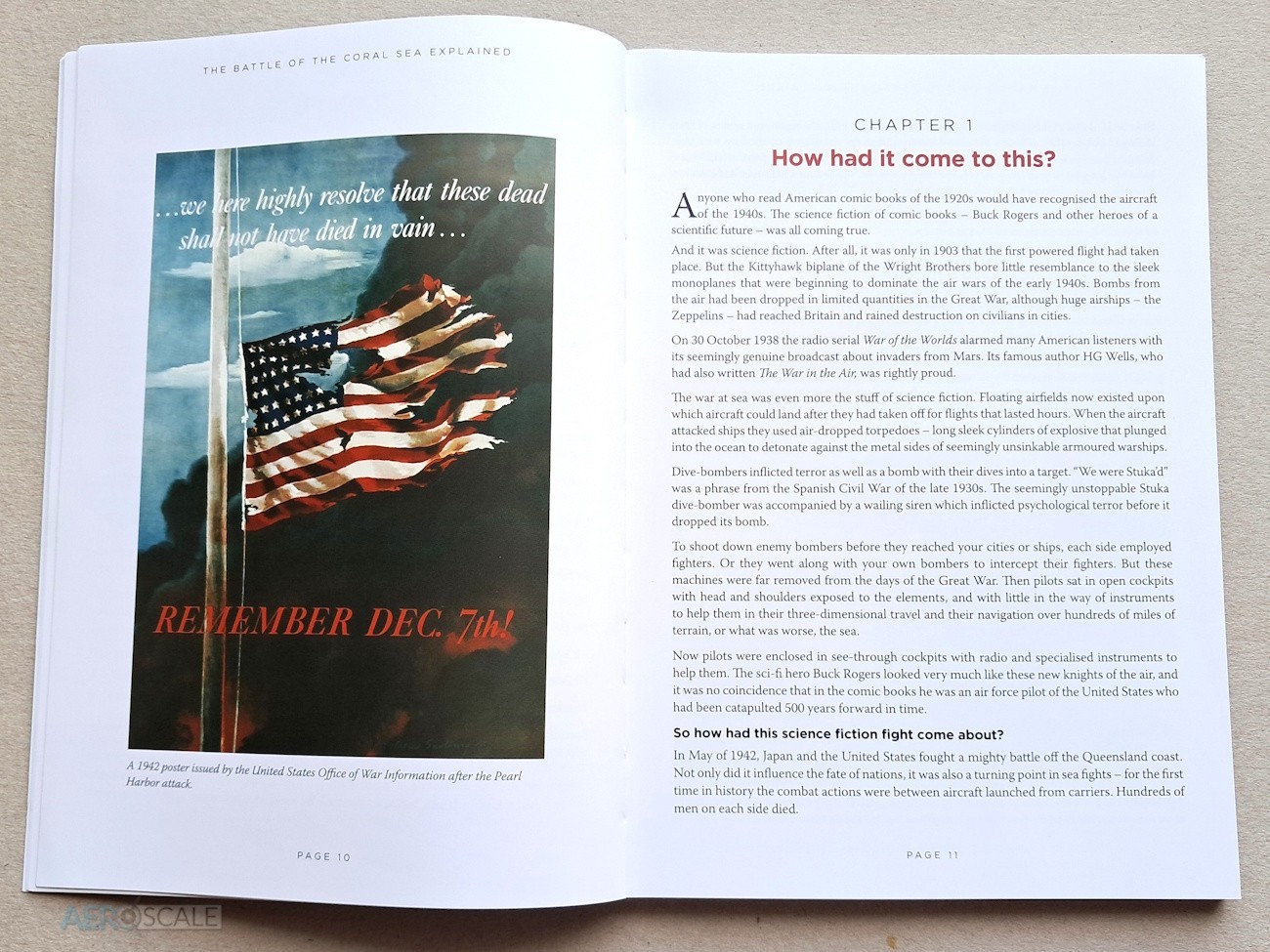
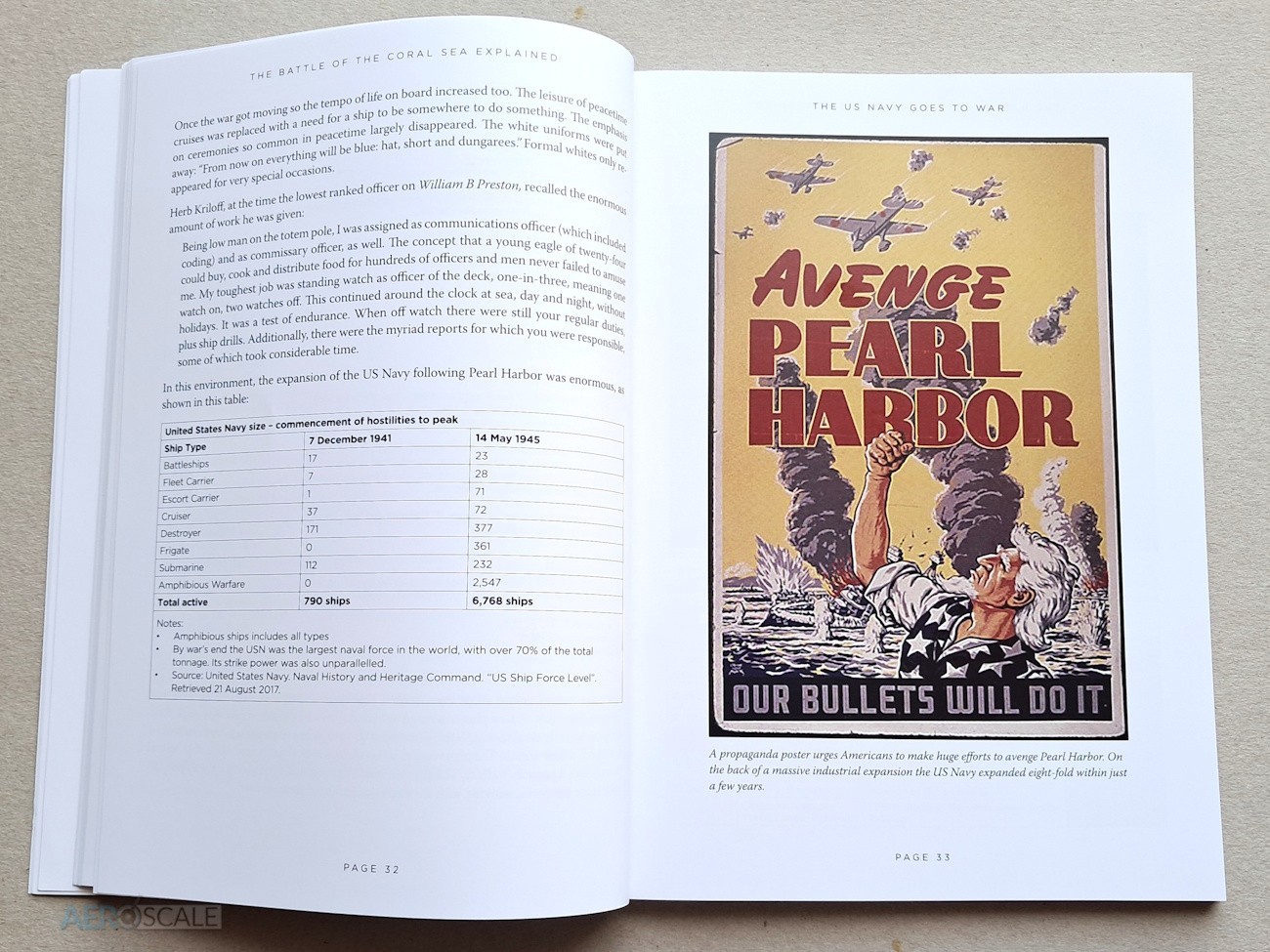
In the time after the surprise and devasting attack on the US Navy at Pearl Harbour changed a lot of Naval practises. The author highlights many of the changes in recruitment. There is a fascinating insight into the training of mariners and aviators’ personnel on both sides. From the green US recruits to the battle-hardened Japanese.
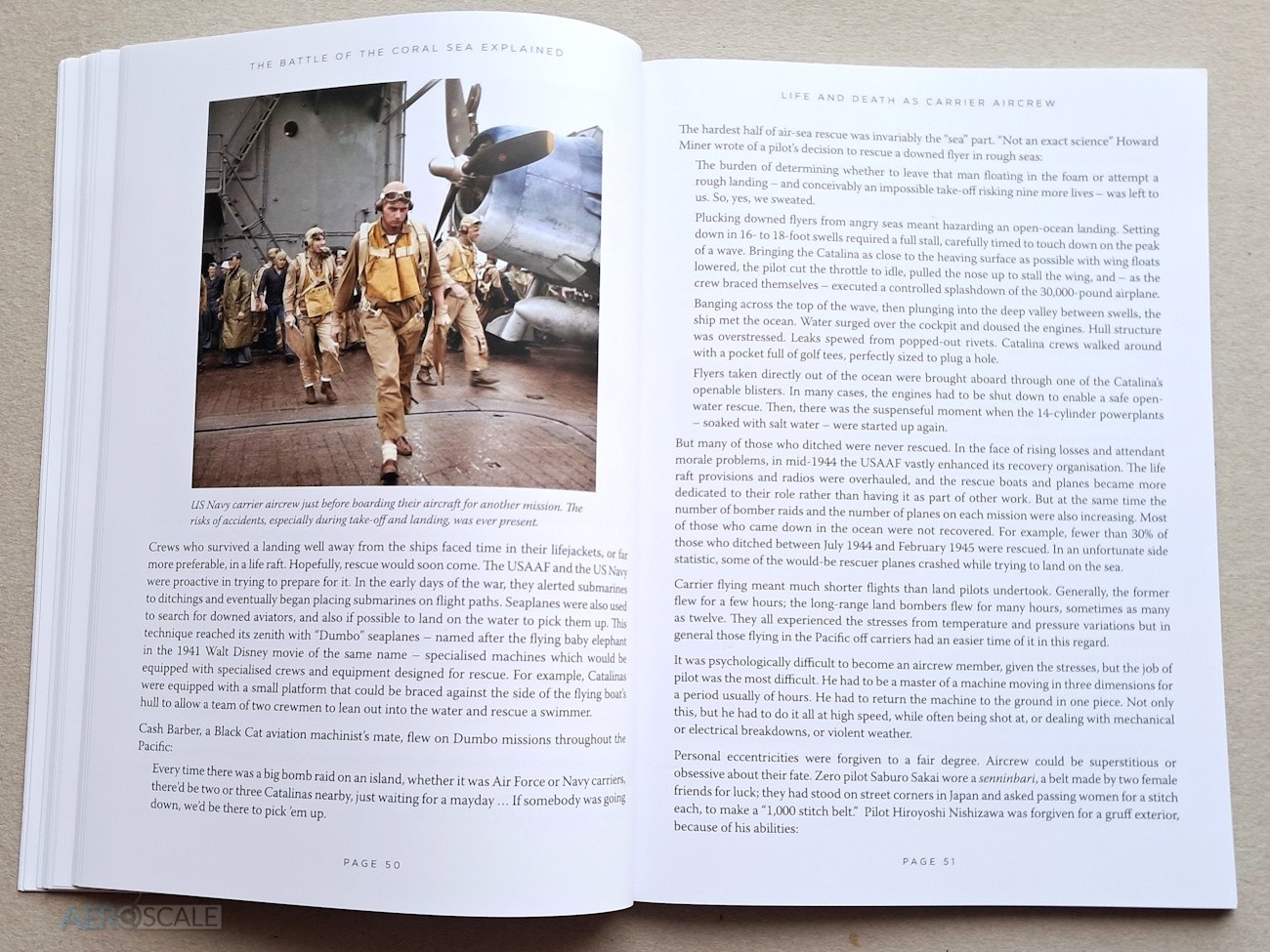
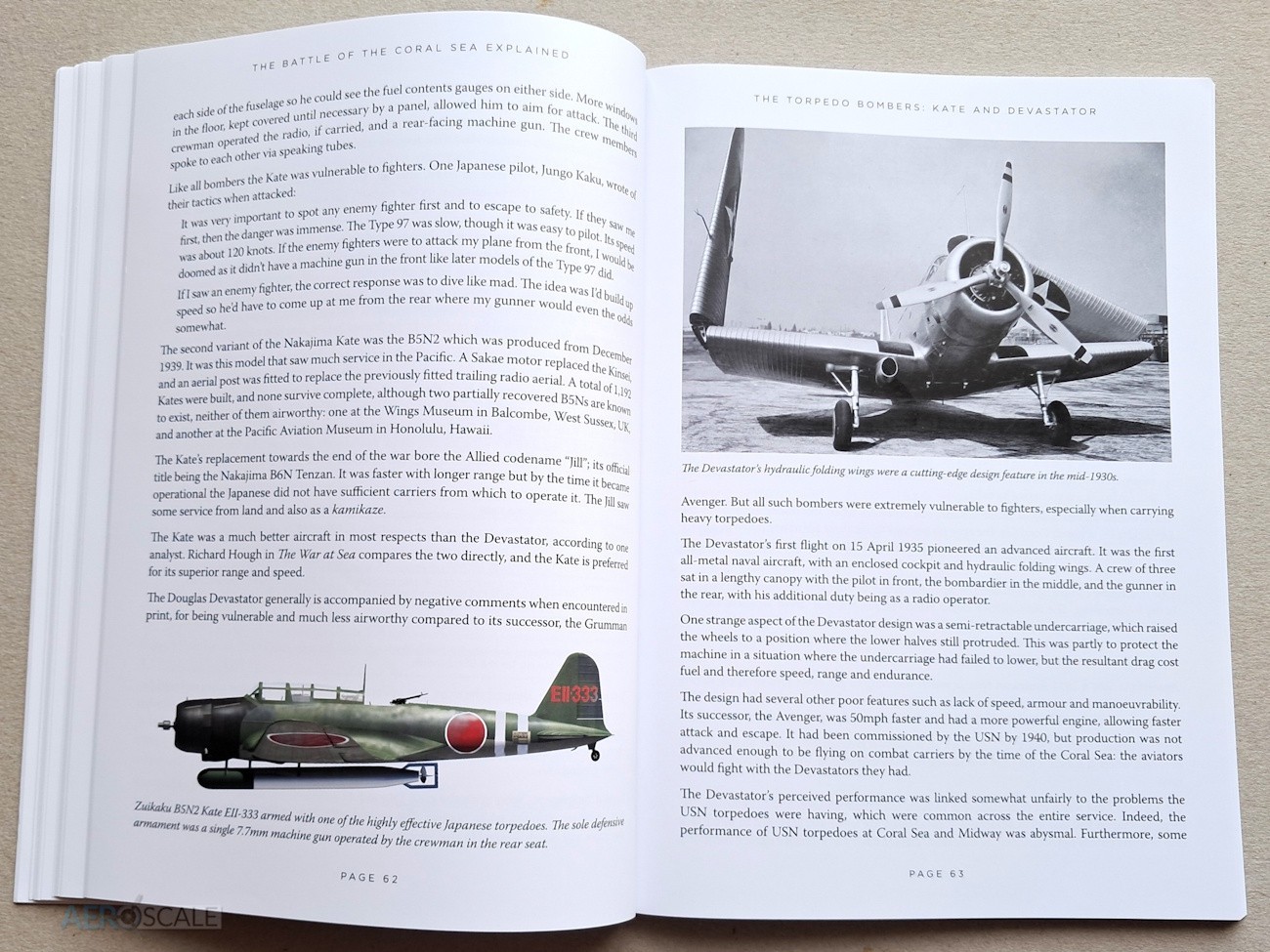
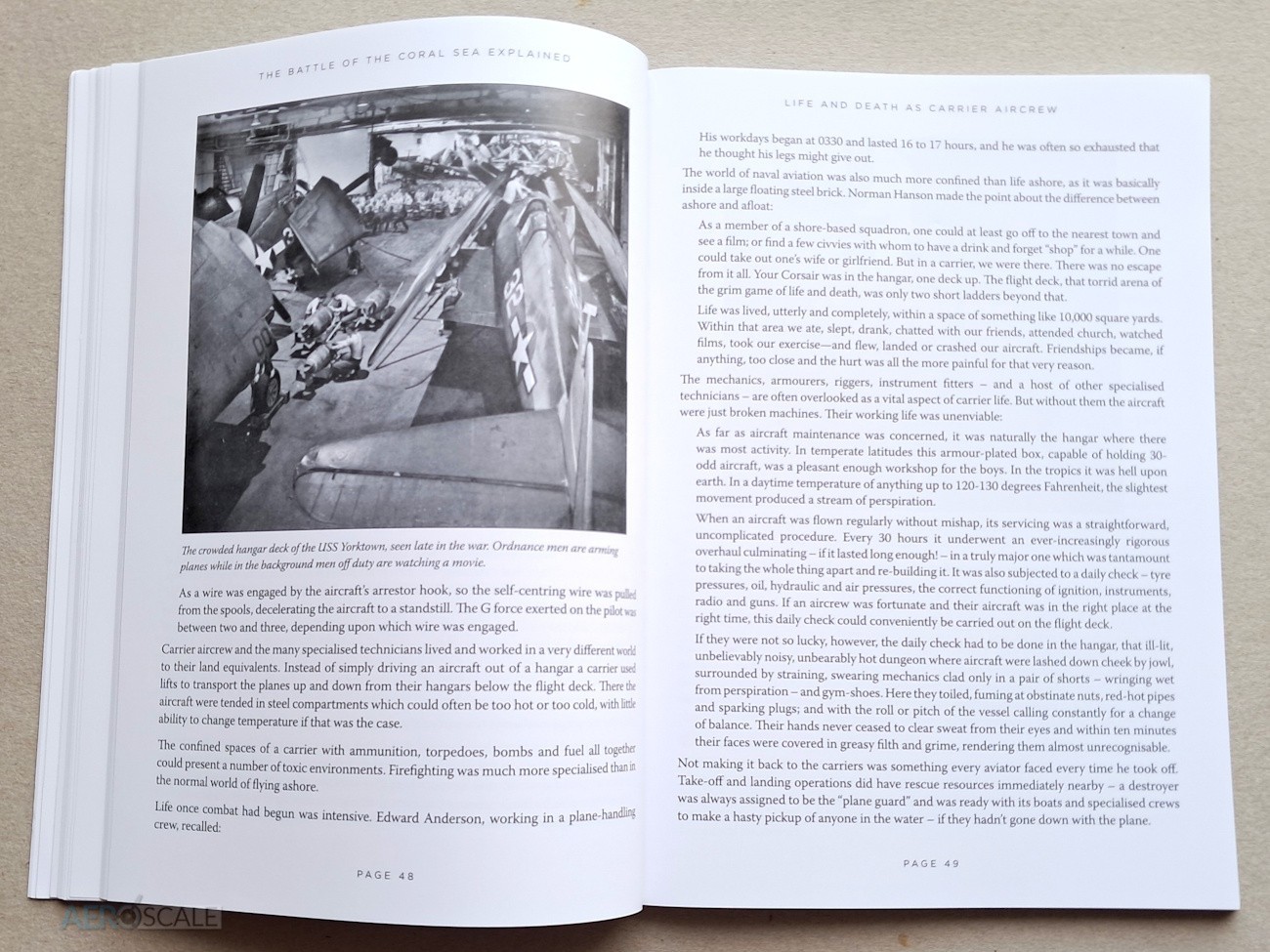
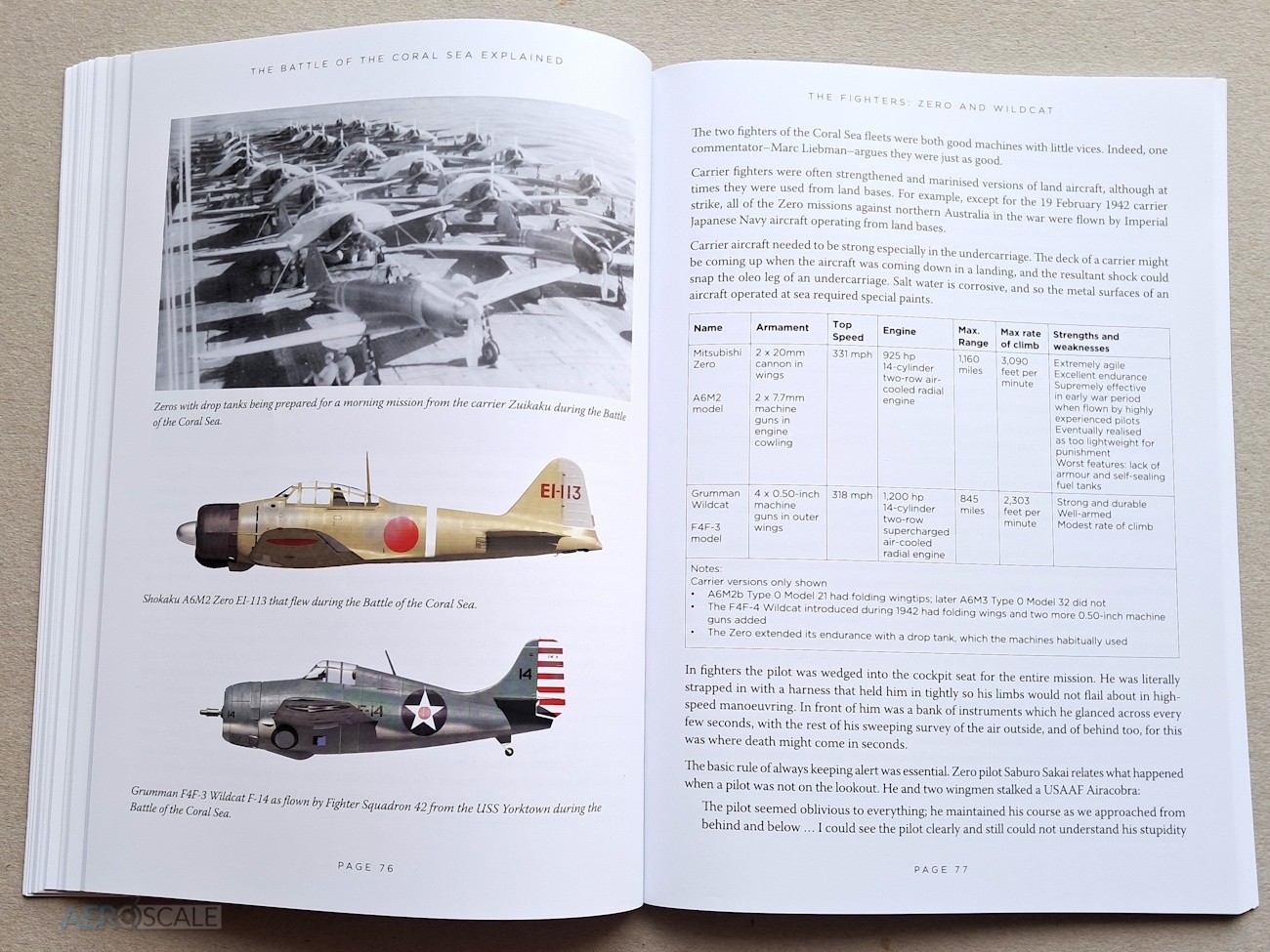
The next part of the book looks at the assets of both sides including a small Australian force. The successes of the Japanese forces in the Pacific between Pearl Harbour up to the Battle of the Coral Sea looks daunting on paper. The Americans task was to stop the catalogue of victories, the invasion of Port Moresby in Papua New Guinea and potentially a move on Australia. The Naval assets of both sides are noted as well as a short synopsise of the battle that lasted six days. There is a brief biographer on the two opposing commanders. The Author relates the rather unique experiences of US Navy sailors and aircrew operating on a carrier. There is a look and comparison of both sides’ naval and aerial assets. The Torpedo Bombers, Dive Bombers and as well as the Fighters effectiveness on both sides is analysed.
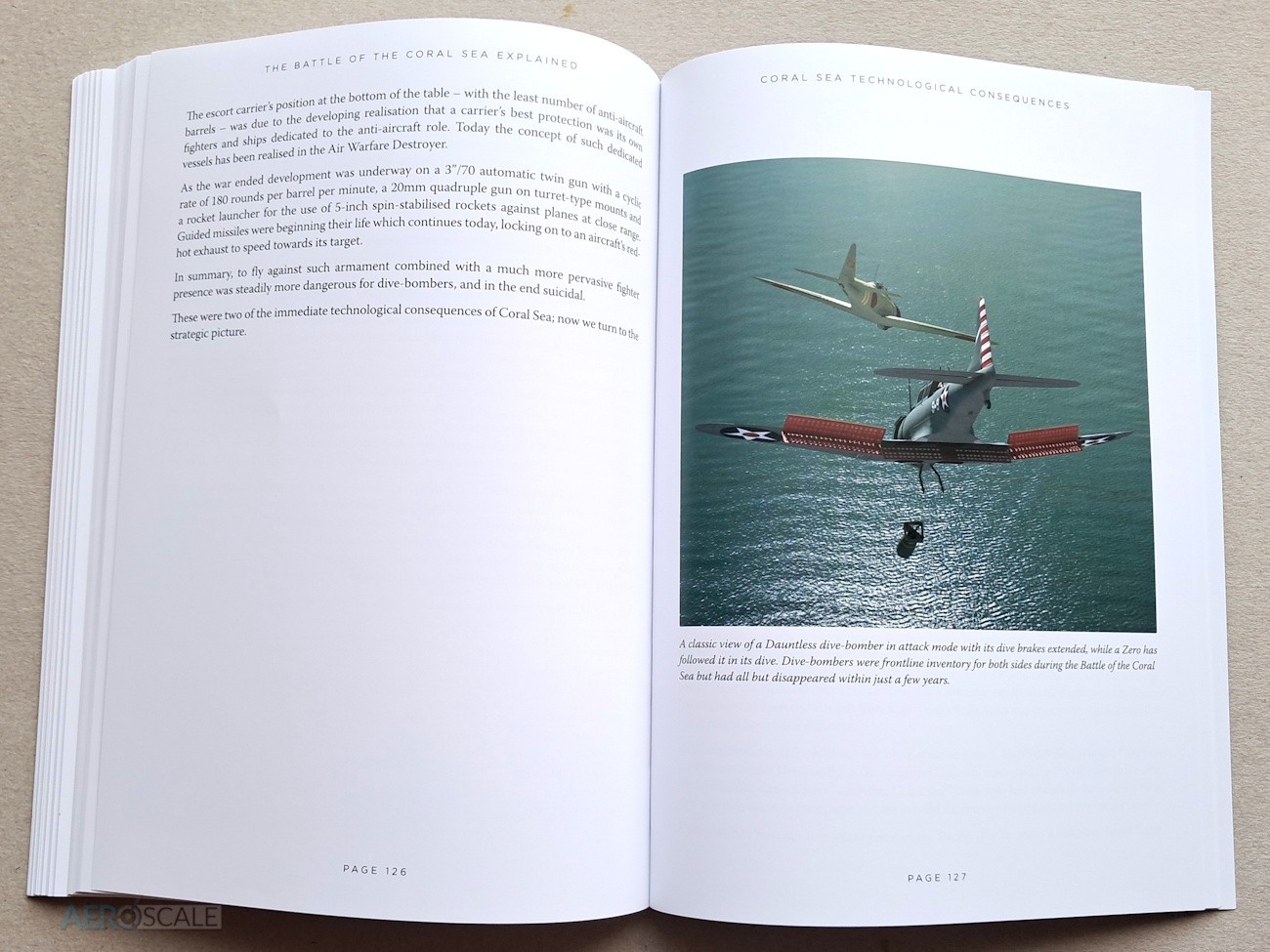
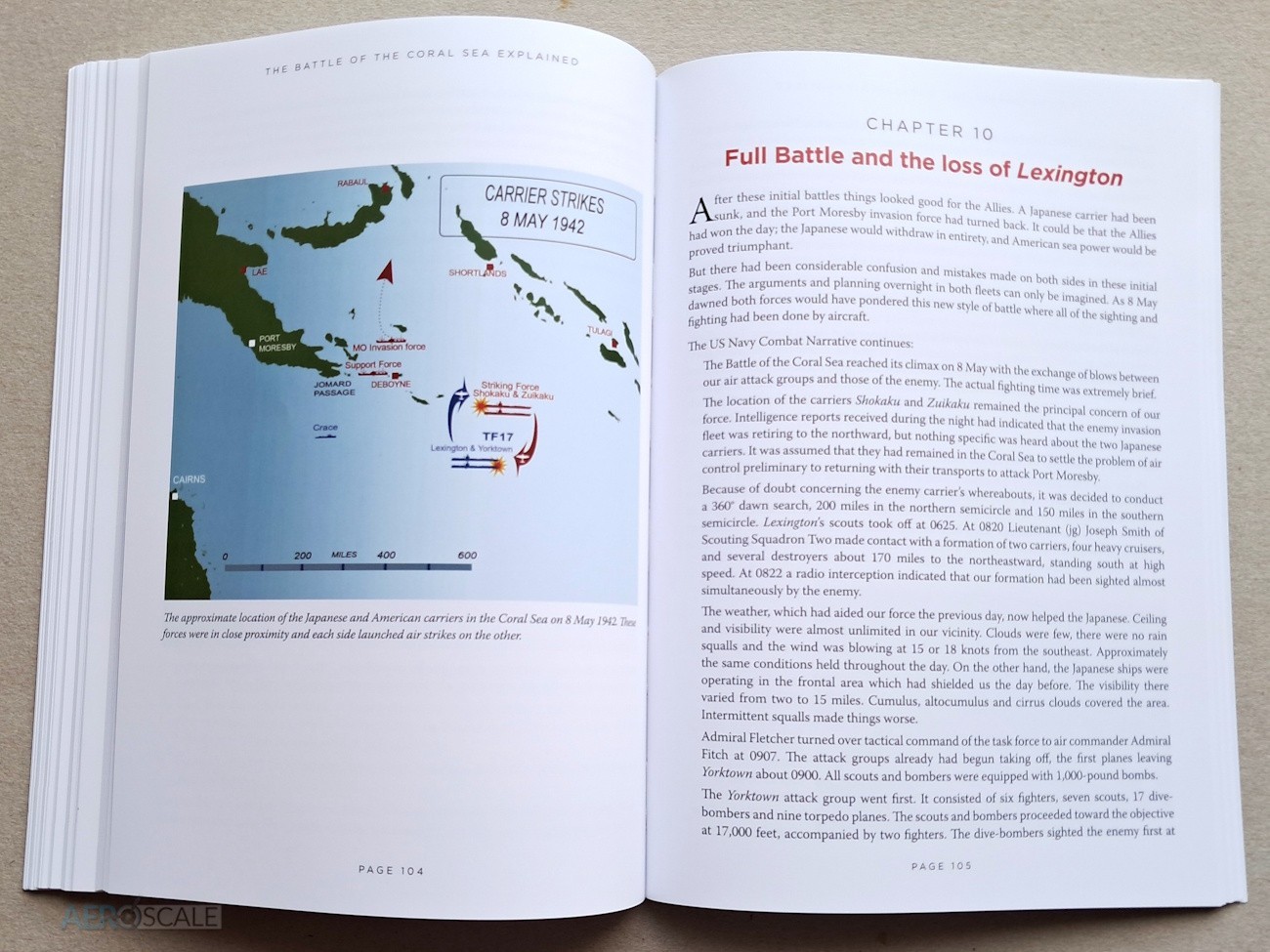
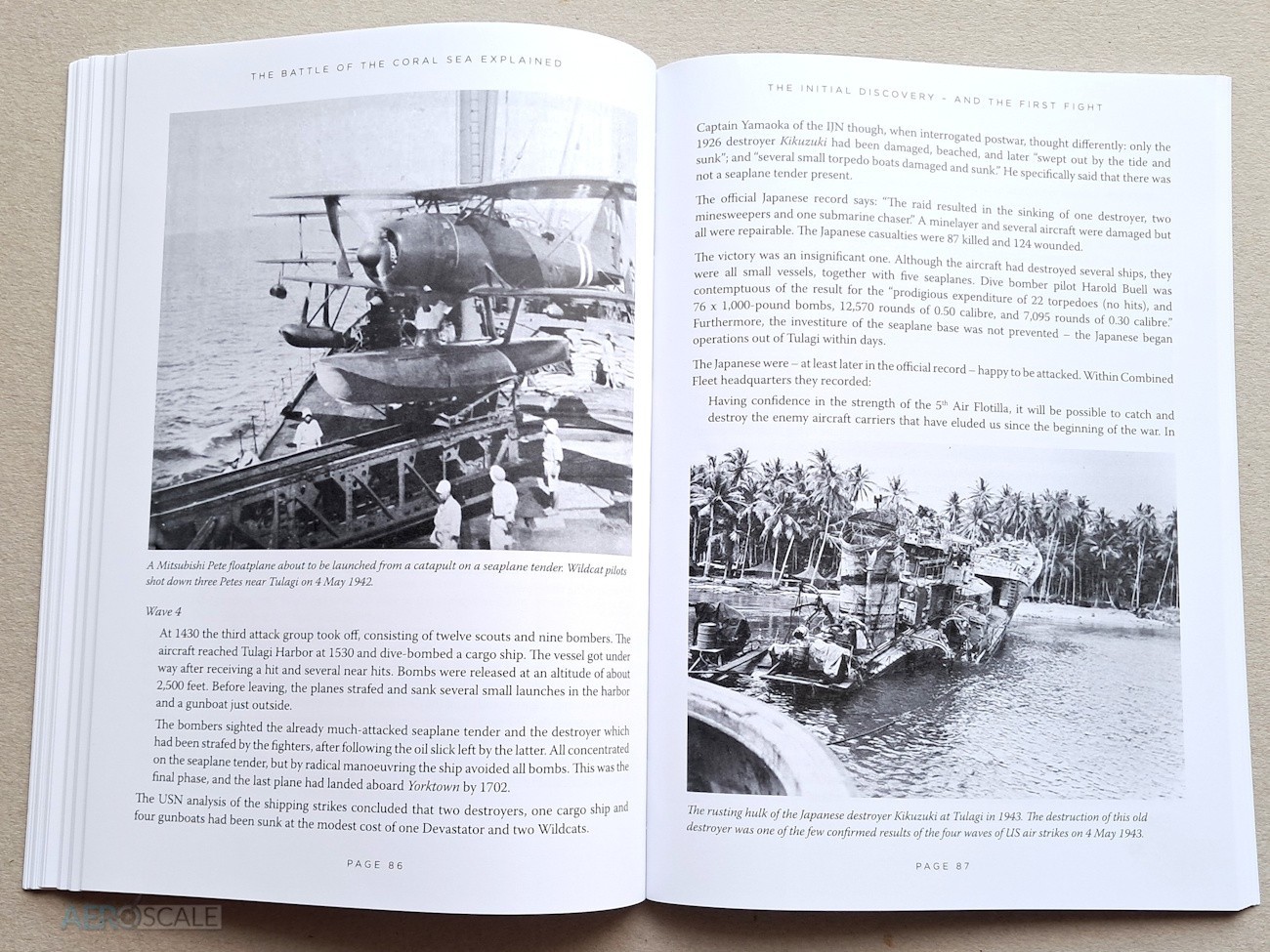
The narrative of the battle is discussed in the final third of the book. The author describes the actions of the aviators on each day of the six-day battle. The effectiveness of the aircraft bombing, torpedo and strafing runs. There is analysis of the reliability of the claims and the hard evidence. There are descriptions of the actions of land-based reconnaissance flights from Catalina’s, Hudson’s and B-17’s. The addition of interrogation notes from Japanese Commander H Sekino post WWII is of interest. The loss of the IJN carrier Shoho and the American carrier Lexington is described in length as well as the loss of the USS Neosho and the USS Sims. The attacks to the IJN Carrier Shokaku and Zuikaku are also touched on as is the strike on the carrier USS Yorktown. The participation of the Australian is also covered. Another interesting subject is the self-defence of the ships. The improvement and effectiveness of AA guns is explored particularly on the American side. The improvement in the defence of the fleet from aerial threats in partnership with the fighter cover creating an effective shield. Making the reign of the dive bomber a short one.
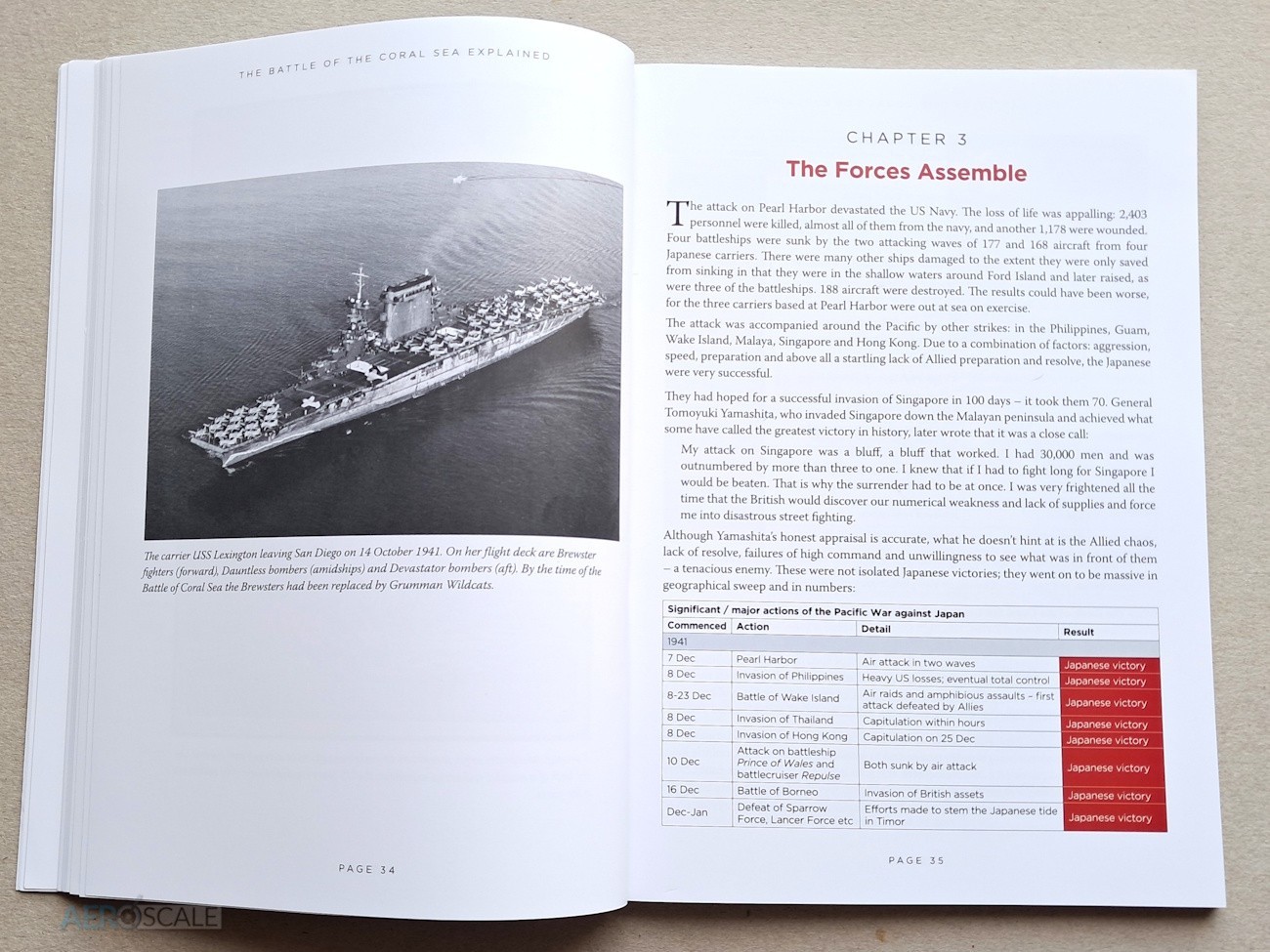
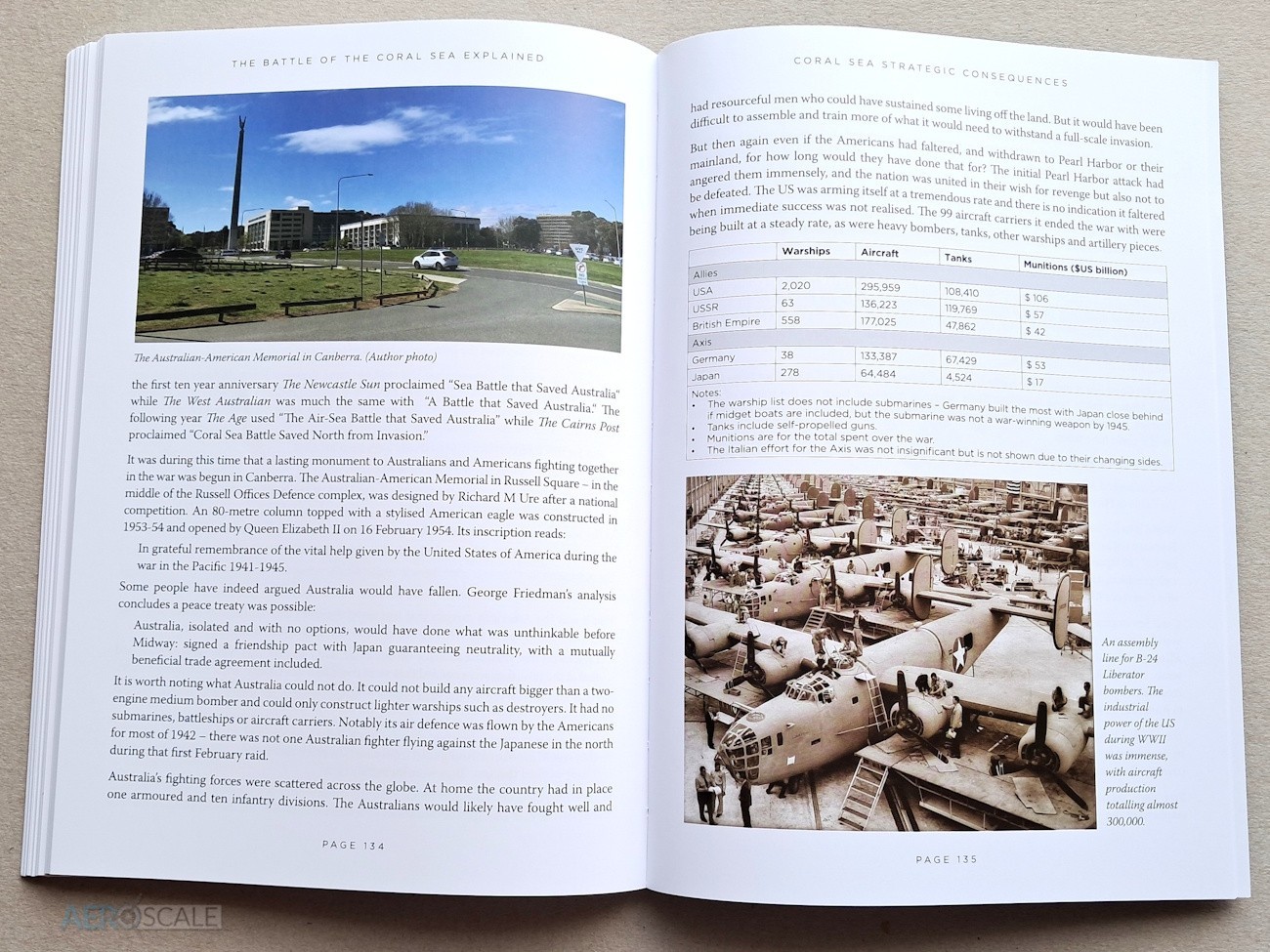
Finally, the author conclusions is of interest, drawing on the thoughts of other analysts and historians. Not just on this battle, but the shifting of the strategies, demise of the battleship and the emerging significance of the carrier. It’s worth noting that at the start of WWII, the US had eight carriers. By the end of the war 99 carriers were being commissioned, a significant shift away from the battleship is king doctrine. Signs of a shift of balance of power globally with a greater need for stronger alliances.
There are plenty of photographic reproductions as well as illustrations of aircraft. There are around 44 photographs, 13 illustrations and 2 maps. There are numerous comparison tables to quickly asses the information that is discussed at length in the book.
Conclusions
The book is designed for folk with little or no knowledge of this pivotal battle. The narrative is compelling and presented in an informative way. The author utilises a lot of research from official sources particularly on the American side. There is plenty of first-hand statements from the men that took part in the battle. It’s a fascinating and enjoyable narrative for anyone wanting to learn more of this battle that helped to turn the tide against the Japanese. Highly recommended.
The Battle of the Coral Sea Explained
- Author: Dr Tom Lewis
- ISBN9781764193740
- Publisher: Avonmore Books
- Content: 144 pages
- Images: 44 photographs, 13 illustrations and 2 maps
Available now from Avonmore Books.
Many thanks to Avonmore Books for this review sample.
Please remember, when contacting retailers or manufacturers, to mention that you saw their products highlighted here – on AEROSCALE