












Background
The A6M5 Model 52 was produced in greater numbers than any other variant of the Mitsubishi Zero, and it resulted from an effort to allow the aircraft to keep pace with its latest Allied opponents in 1943. The Zero's dominance was a thing of the past, with new Allied aircraft and tactics rendering the earlier versions obsolescent and vulnerable. The mid-war redesign introduced shorter wings that dispensed with folding wingtips, and the structure was strengthened to be more durable and withstand higher diving speeds.
Armament was revised to fit belt-fed 20mm cannons with more ammunition than their earlier drum-fed counterparts, and an improved Sakae 21 engine featured exhausts that were modified to produce thrust and provide a small boost in speed.
There was only so much that could be achieved without a total redesign, though, and the Zero's fundamental weaknesses remained. The existing airframe couldn't be adapted to carry the increasingly essential armour and self-sealing fuel tanks without further degrading performance that was already falling well behind that of the latest Allied fighters. Nevertheless, the A6M5 was still a deadly opponent in the hands of a skilled pilot - but combat losses meant the "old hands" steadily became fewer in number and they were replaced by inexperienced pilots who stood little chance against their better trained and more numerous enemies.
The Kit
Fine Molds' 1/48 Zero first appeared in 2024 and was initially something of a rare bird. 2025 saw further boxings and it's now widely available outside of Japan.
The kit arrives in an attractive top-opening box with most of the core parts sealed in one bag. This isn't ideal, because the runners in my kit had rubbed against each other in transit, with a couple of parts coming adrift and some delicate items looking slightly bent. There are separate bags for some of the mouldings, plus the clear parts and items that are specific to the Nakajima-built Zero that this boxing represents.
The kit comprises:
126 x light grey styrene parts (+2 unused)
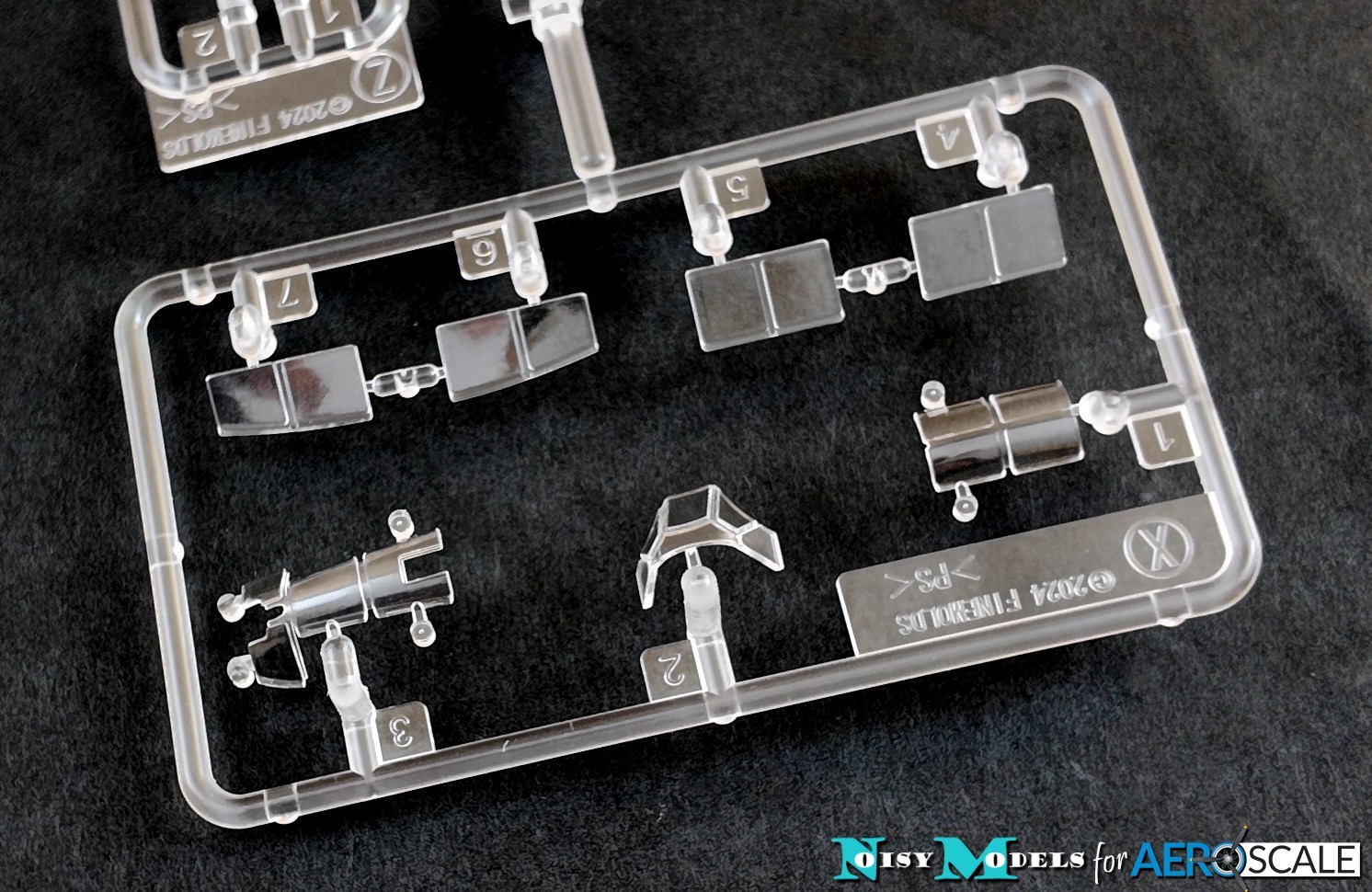
16 x clear styrene parts
2 x poly caps
Decals for 3 x colour schemes
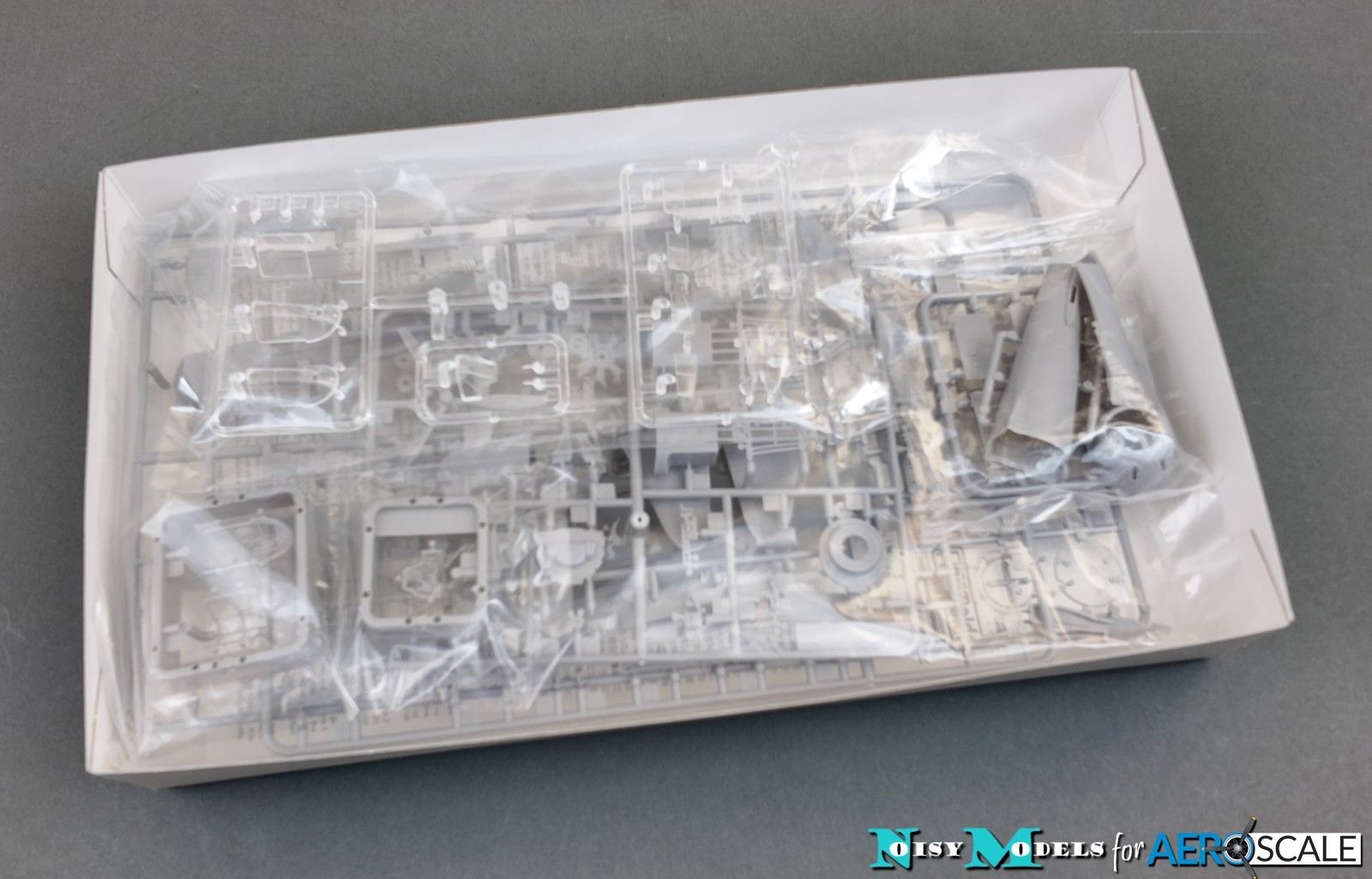
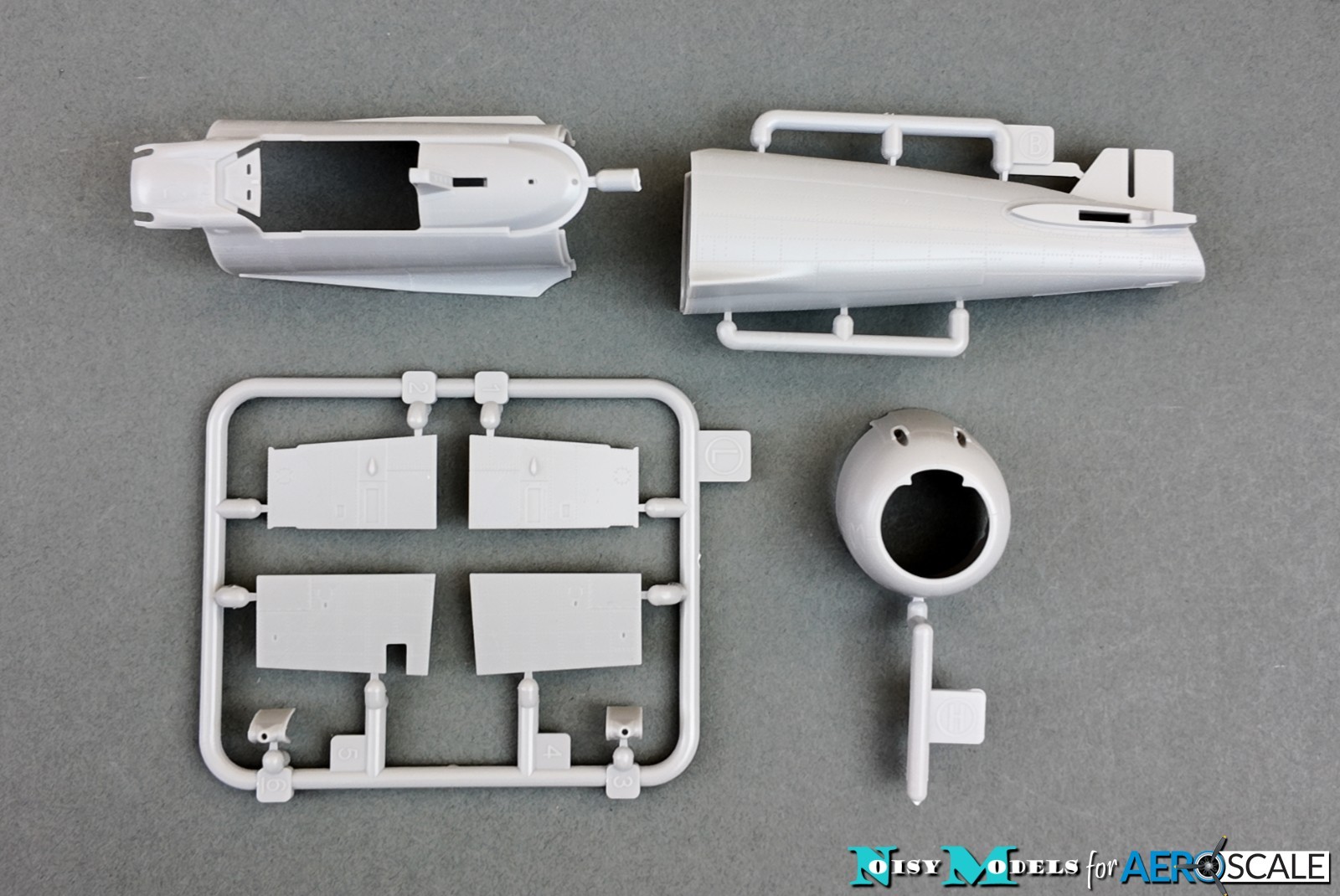
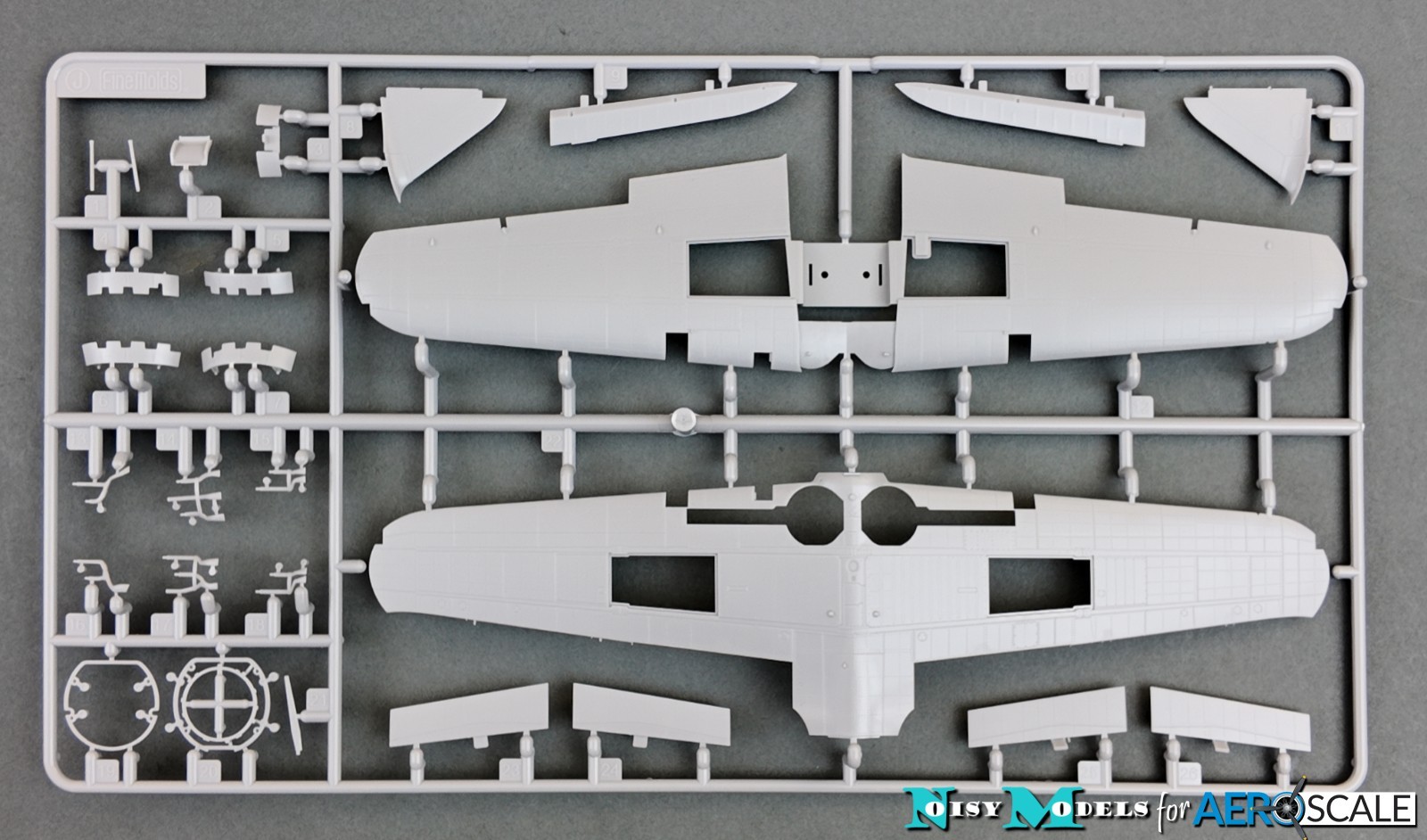
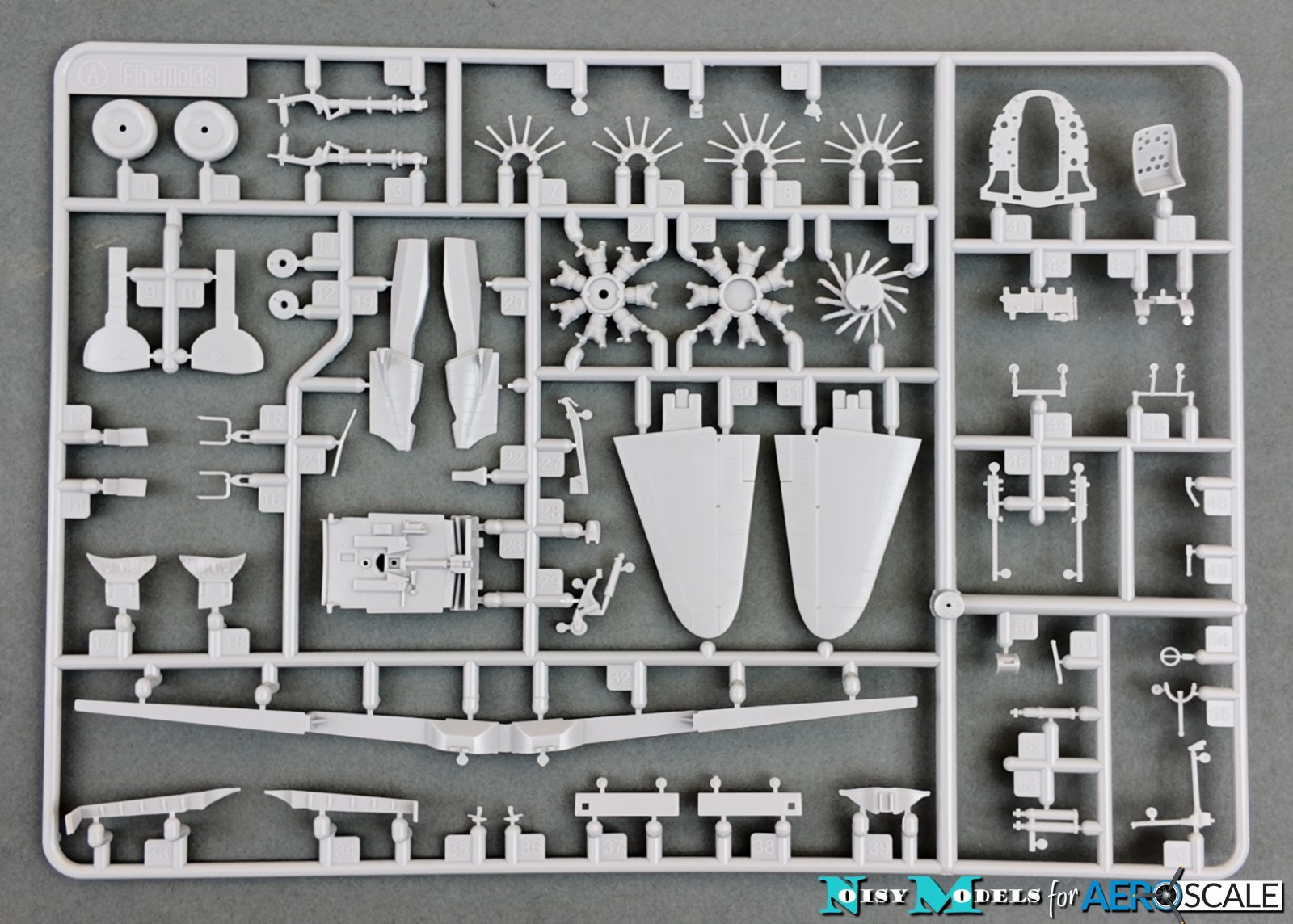
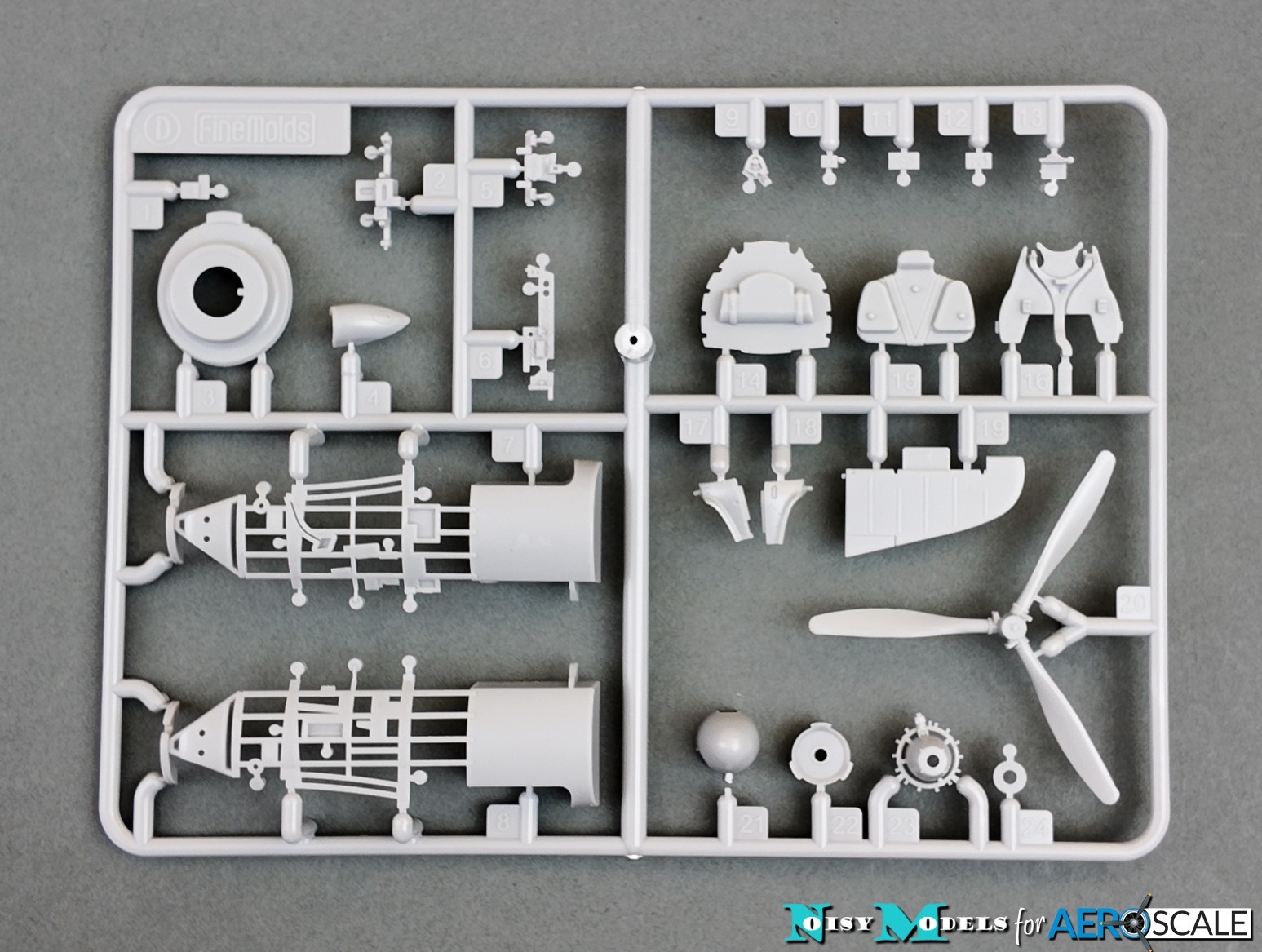
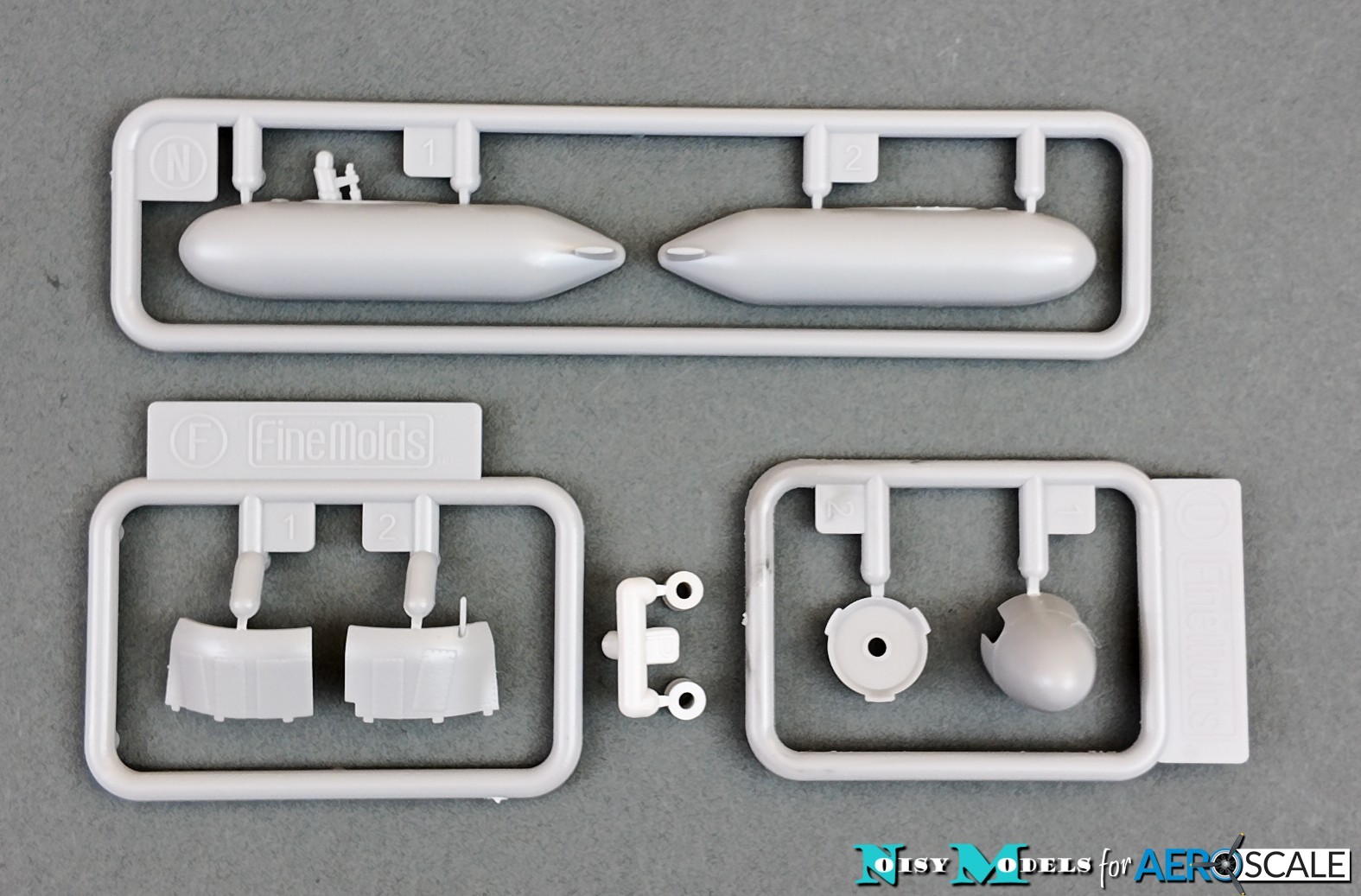
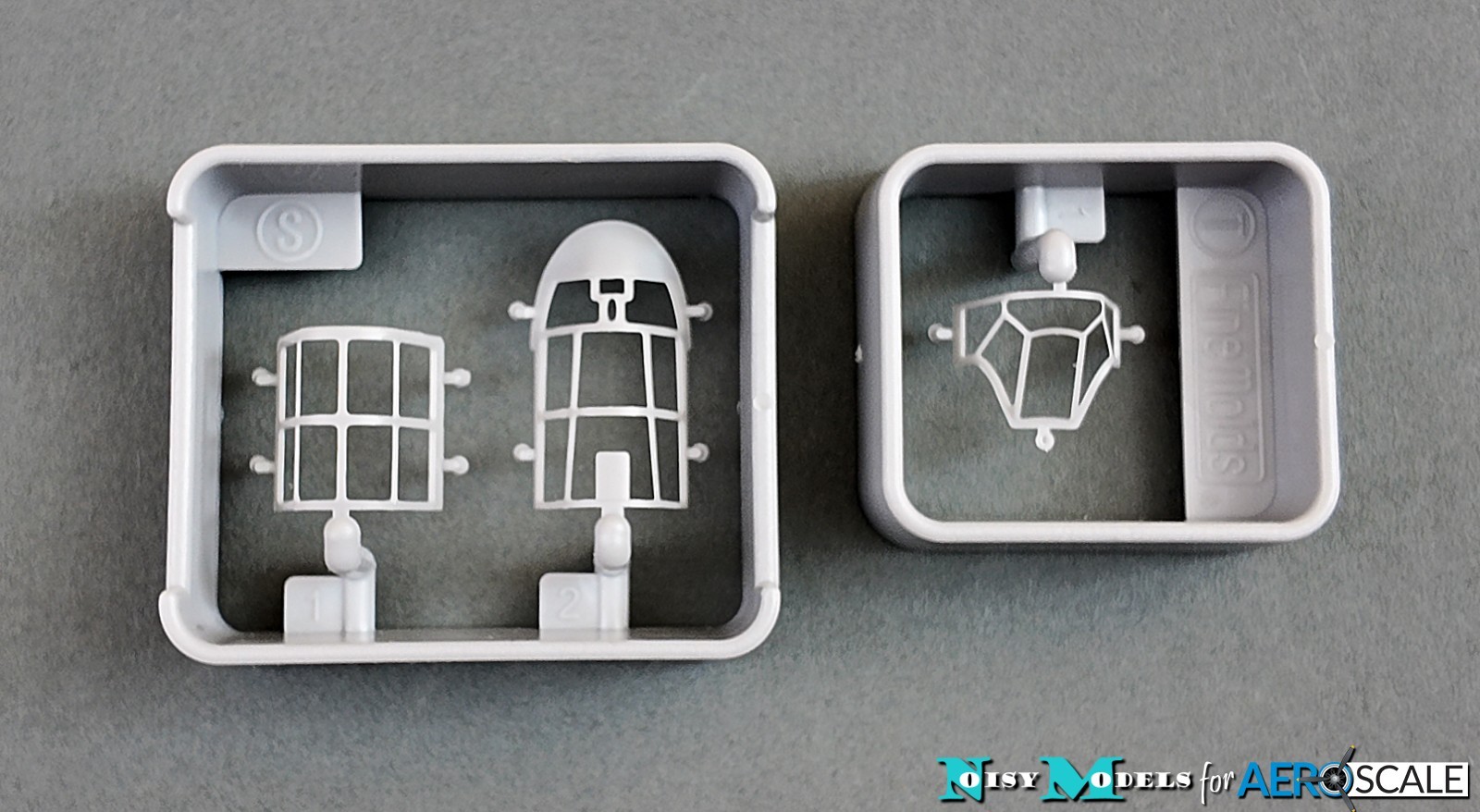

The immediate impression is that the parts are very nicely moulded, and that Fine Molds have taken an extremely unusual approach to the basic construction of the model.
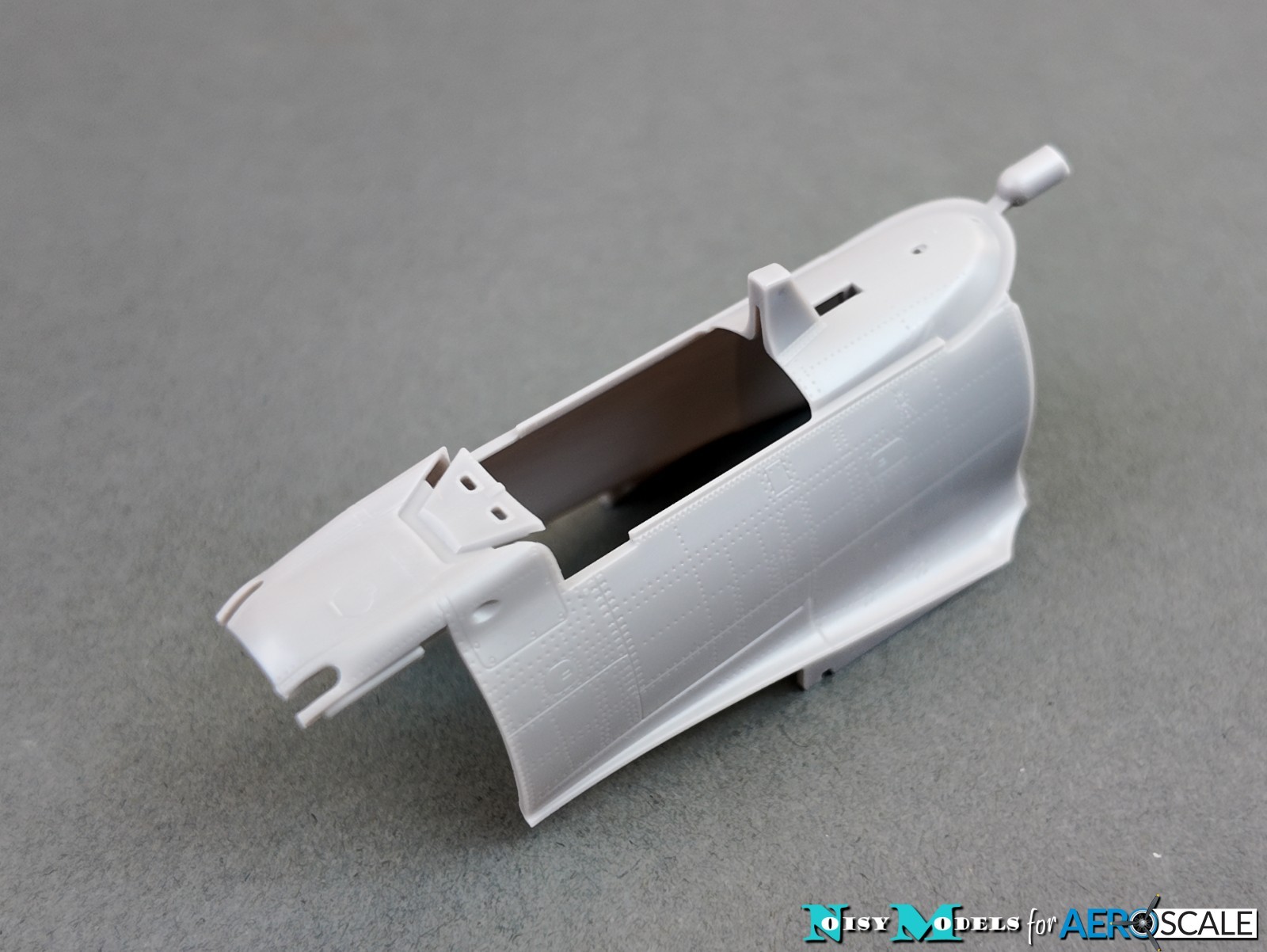
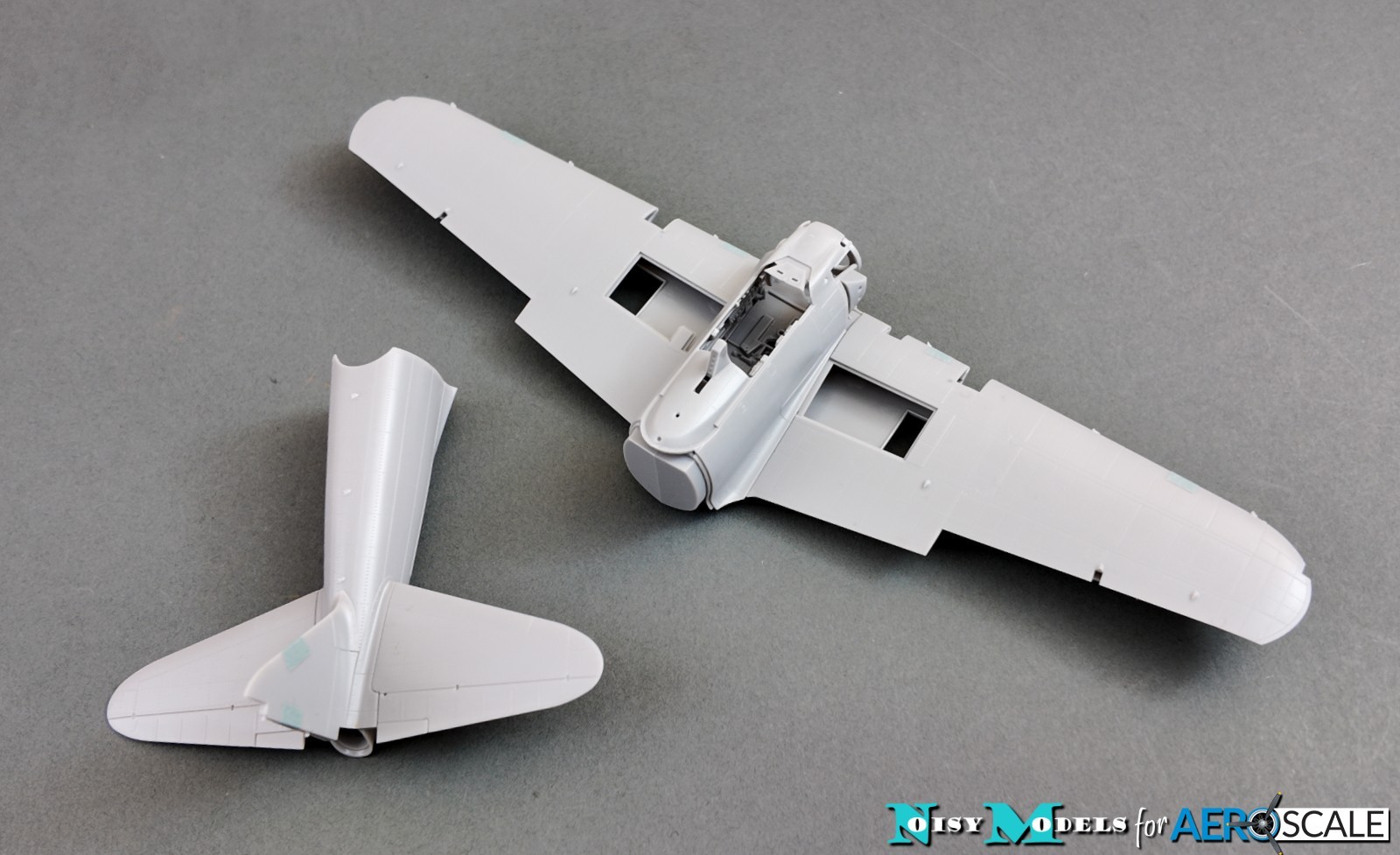
Rather than use conventional fuselage halves, the kit is split behind the cockpit with a one-piece hollow rear fuselage that attaches to a centre section "shell" which clips over the cockpit interior. How well this works will all be down to the accuracy of the moulding, and it'll be interesting to see whether this method of construction offers any particular advantages over the way we've got used to ever since injection-moulded plastic aircraft kits became popular.
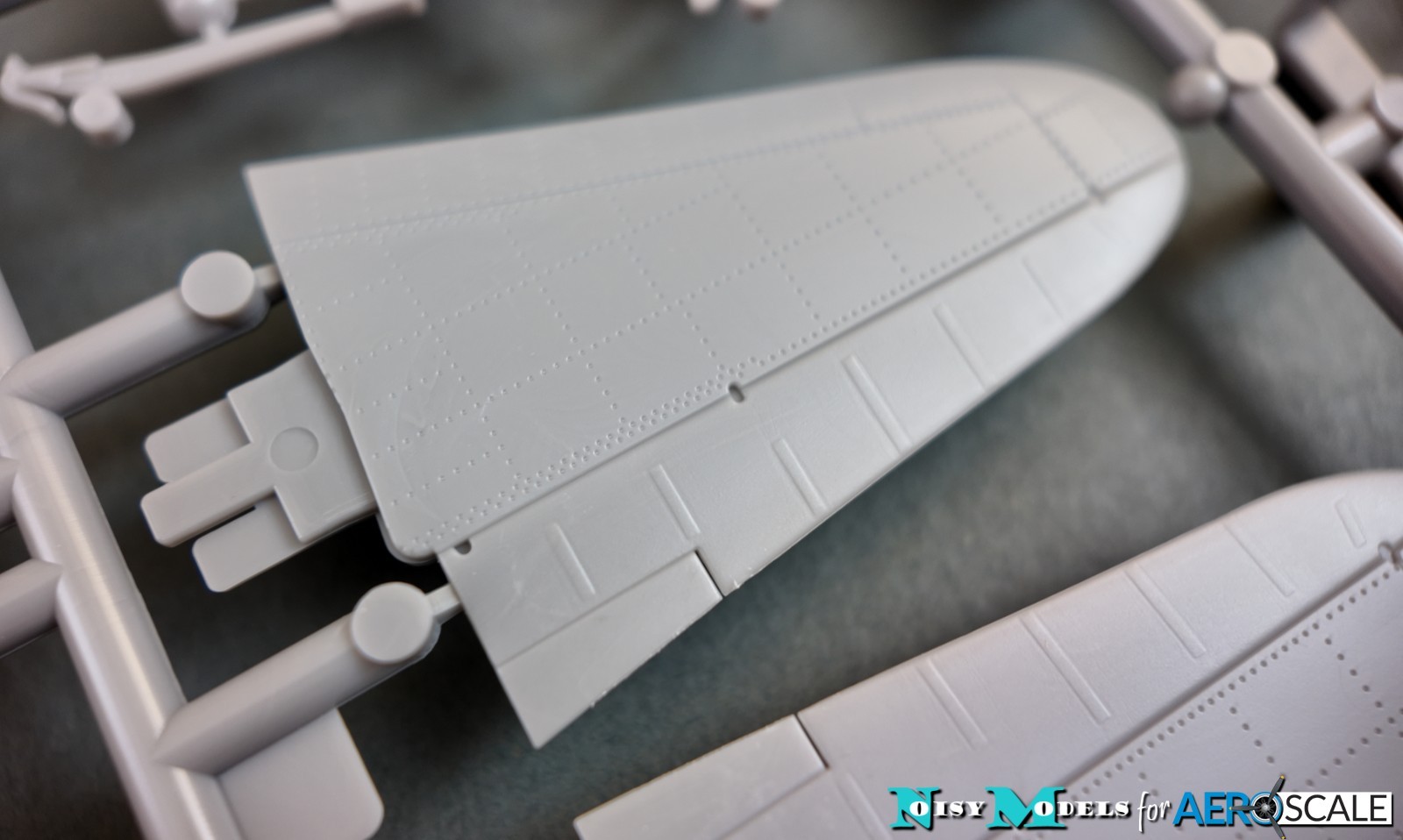
The main parts are very cleanly moulded, with just an occasional hint of flash here and there, along with a couple of sink marks - but nothing to worry about.
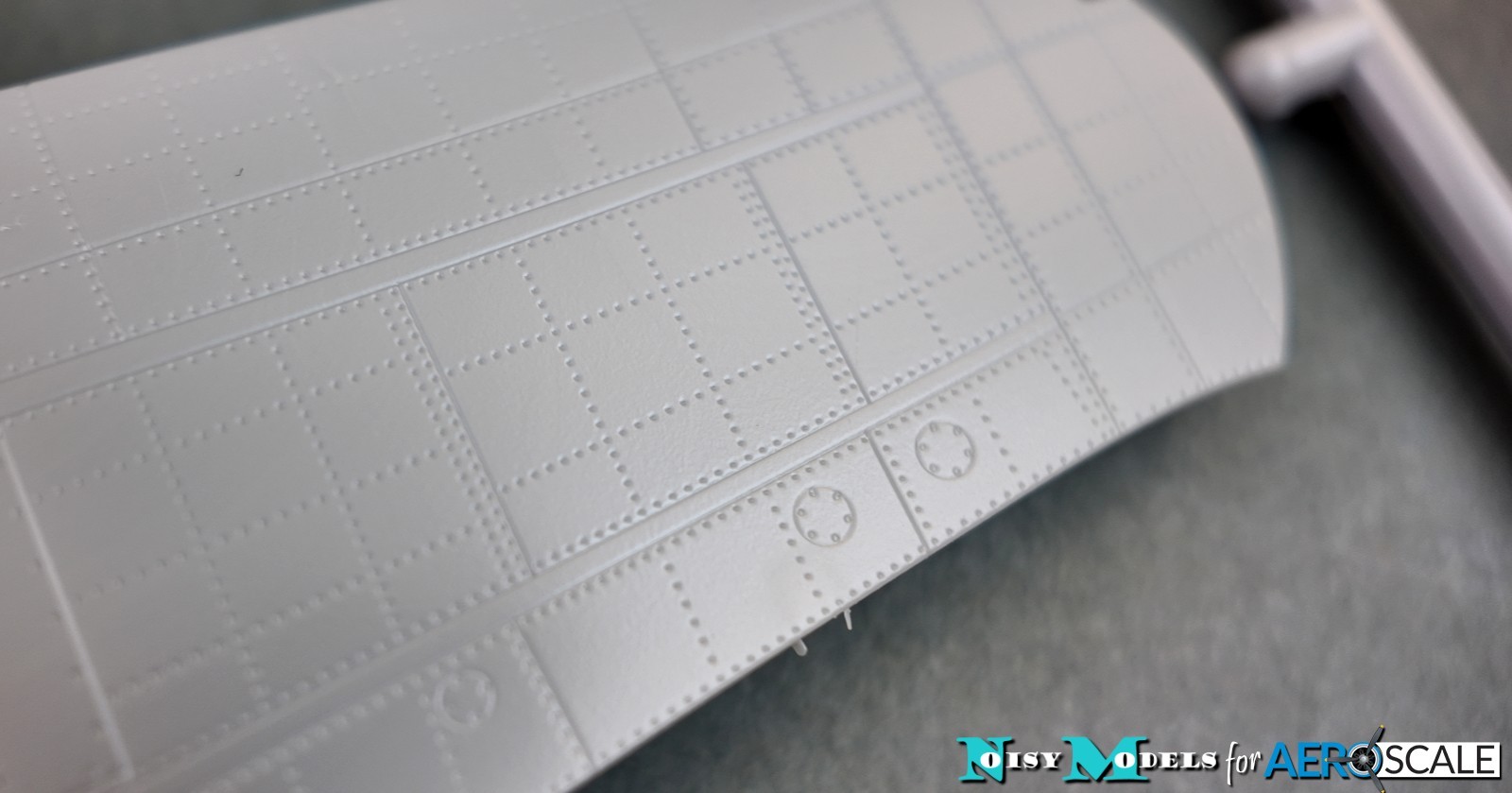
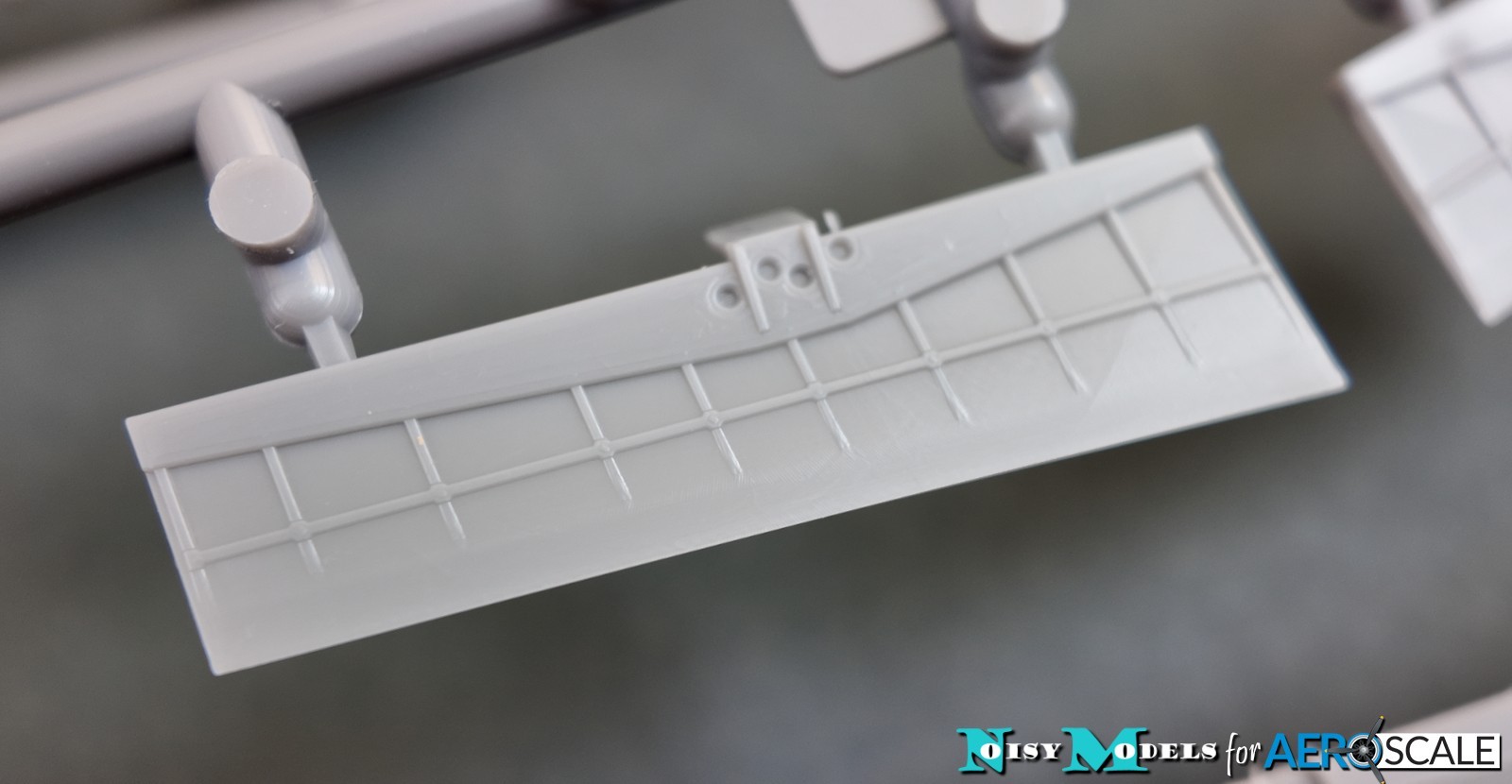
The surface finish comprises embossed panel lines and rivets for the metal areas of the airframe. The rivets are certainly eye-catching and will respond well to washes, but my gut feeling is that they are a bit too prominent to represent the flush rivets of the original airframe accurately. The fabric covered control surfaces are depicted realistically tight, with the structure marked by rib tapes - again arguably a tad overdone, but easy to reduce if you wish.
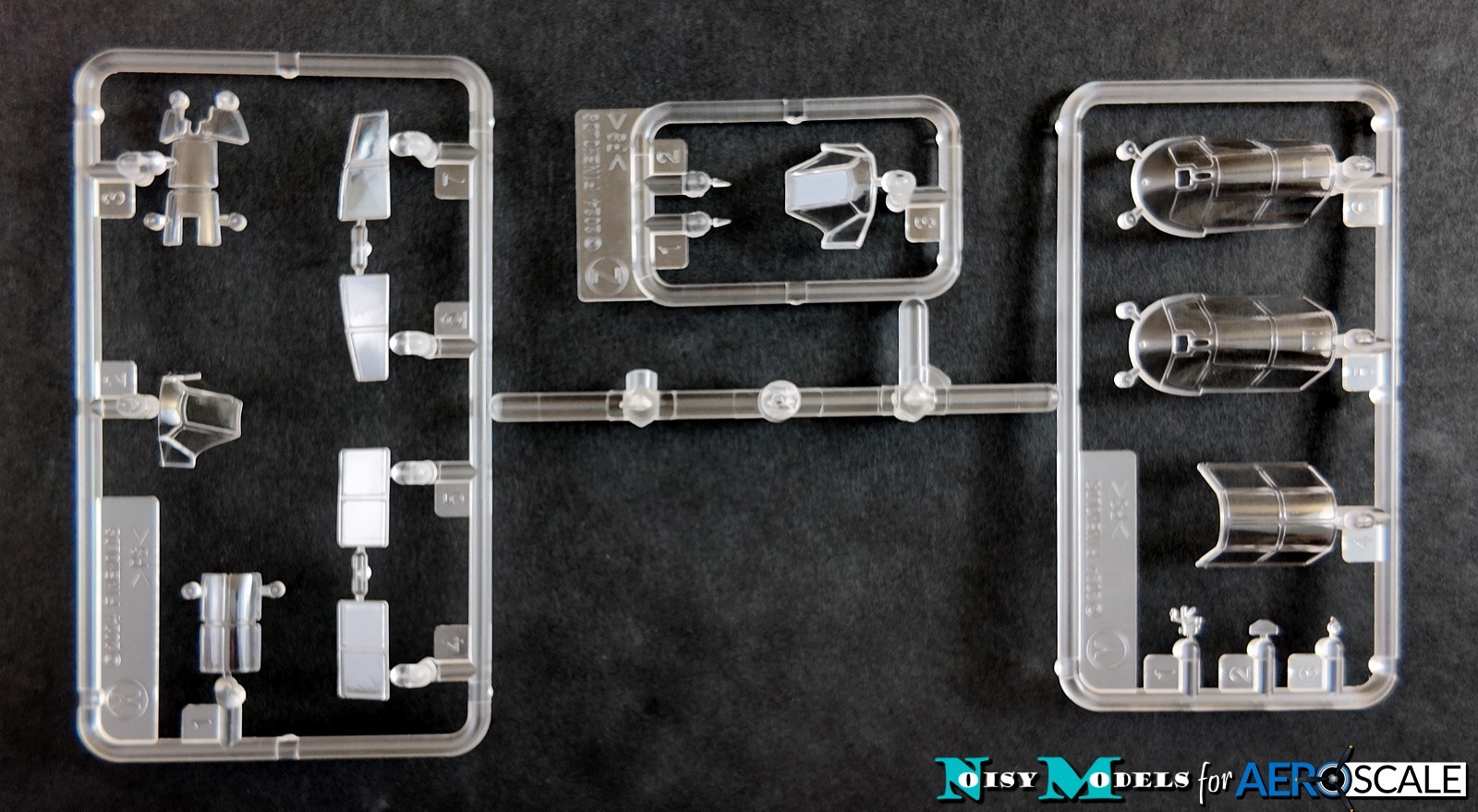
Detail parts are crisply moulded - the outstanding items being the canopy frames, which I'll discuss below.

Test Fit
I must admit I was rather sceptical ahead of dry-assembling the main parts, but I was keen to see just how well the unusual moulding and breakdown would work in practice. Would splitting the fuselage behind the cockpit just replace conventional seams with one that might actually be harder to deal with?
Well, I'm delighted to say the answer is a resounding "No". The front and rear sections clip together beautifully and the tailplanes and fin are a nice tight fit.
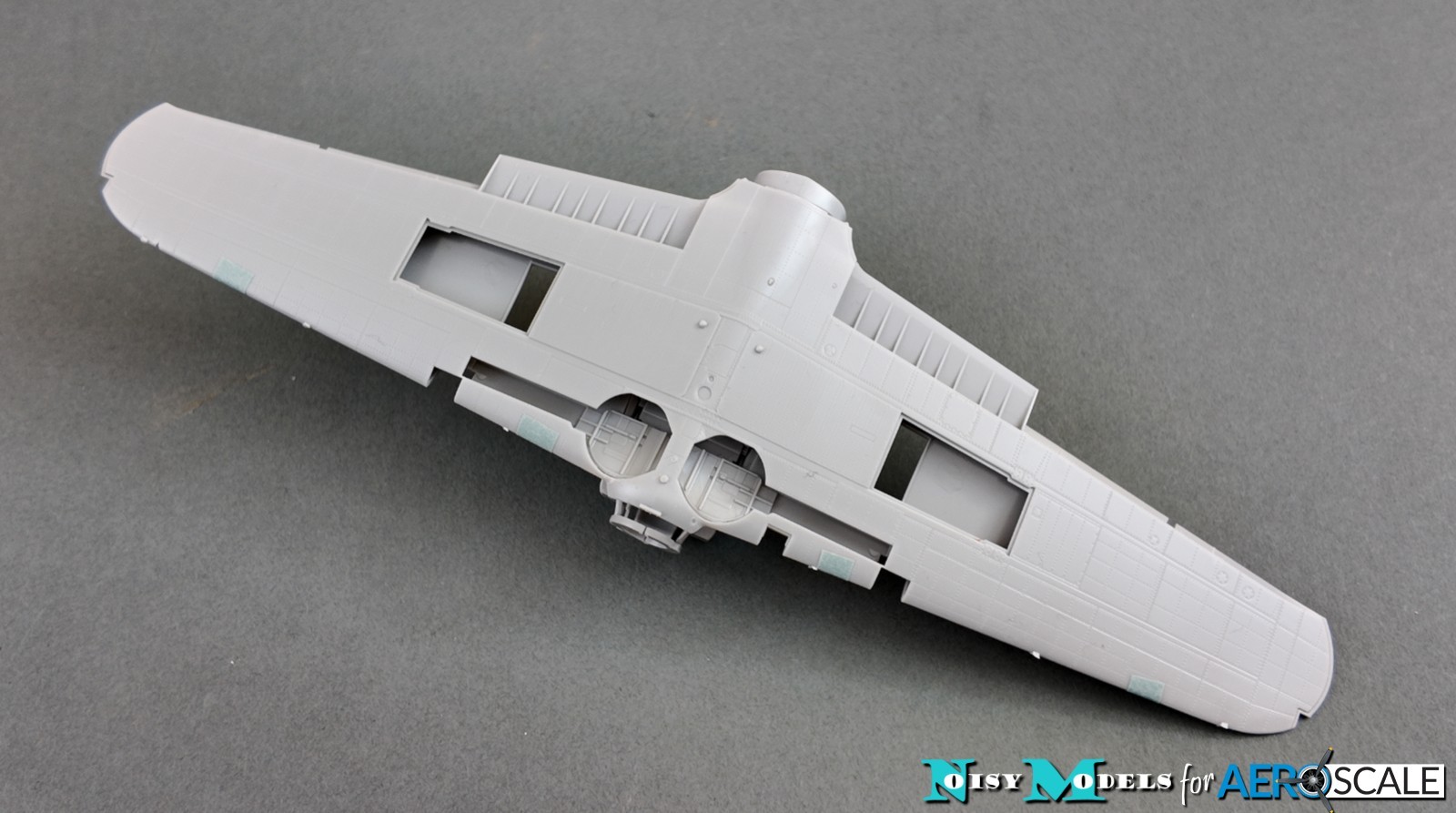
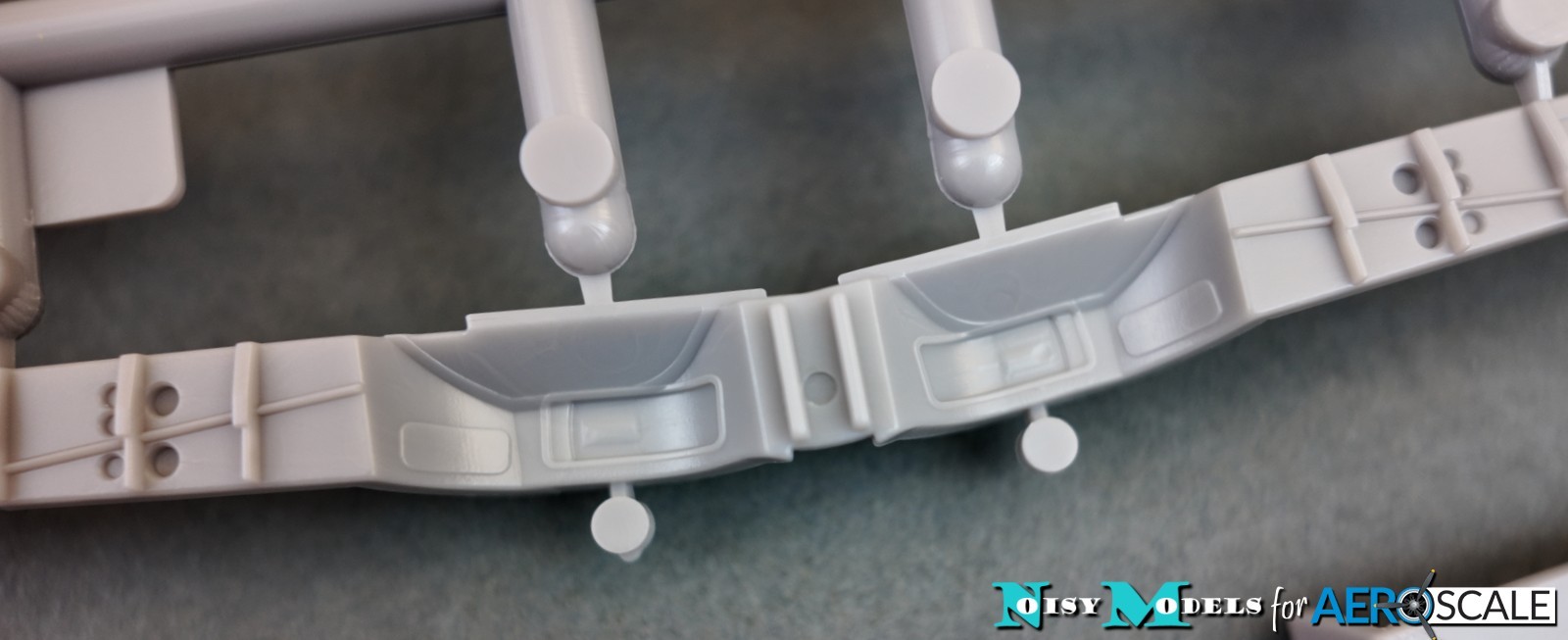
I dry fitted the cockpit sidewalls and floor to give the front fuselage some rigidity, and tabs on the bottom of the sidewalls slot into the full-span top piece of the wings, producing very snug seams at the wing roots.
A little extra care may be required attaching the large drop-in panels in the wings to avoid cement runs, but overall the general assembly looks like it will be remarkably straightforward.


A Few Details
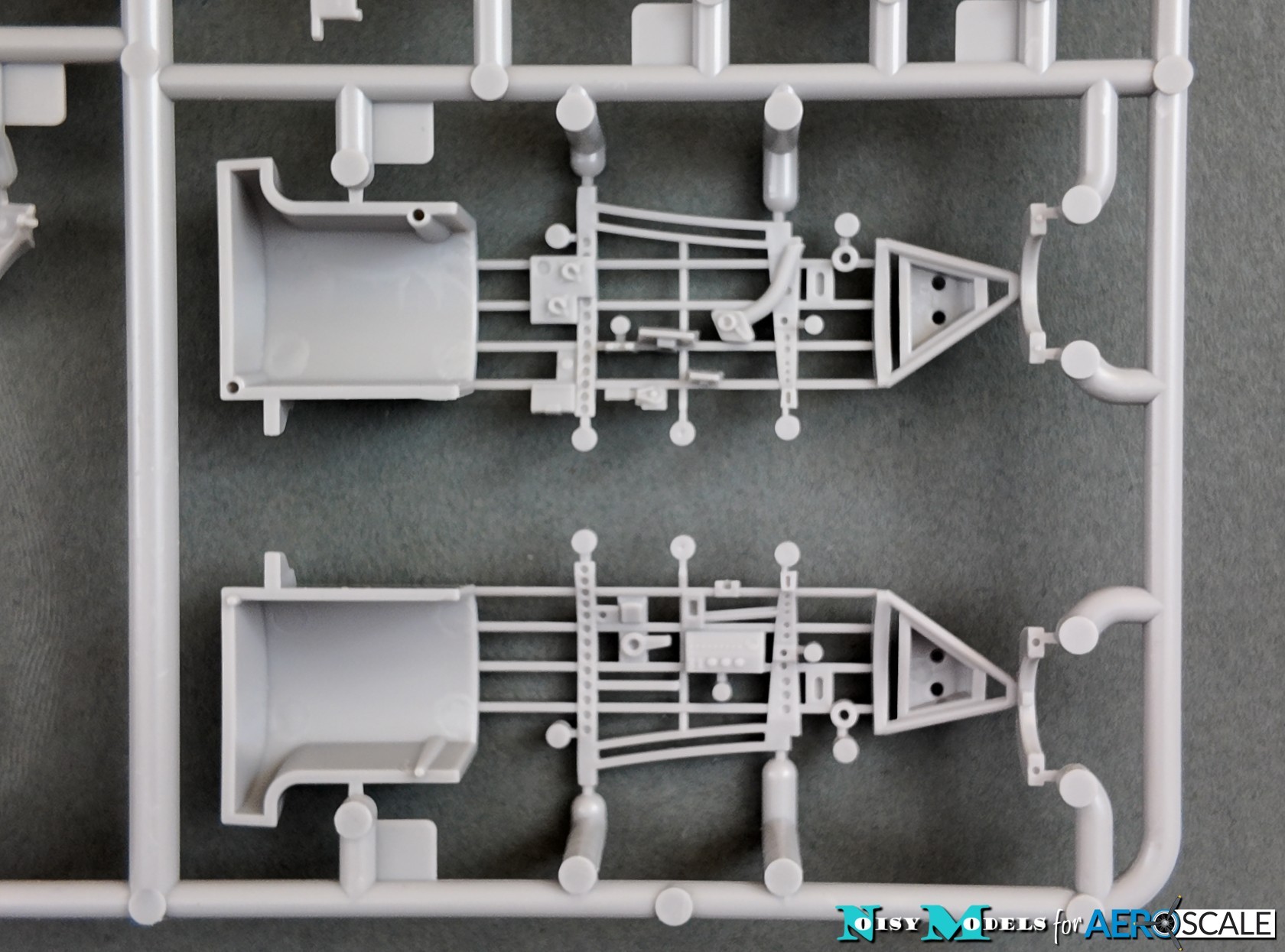
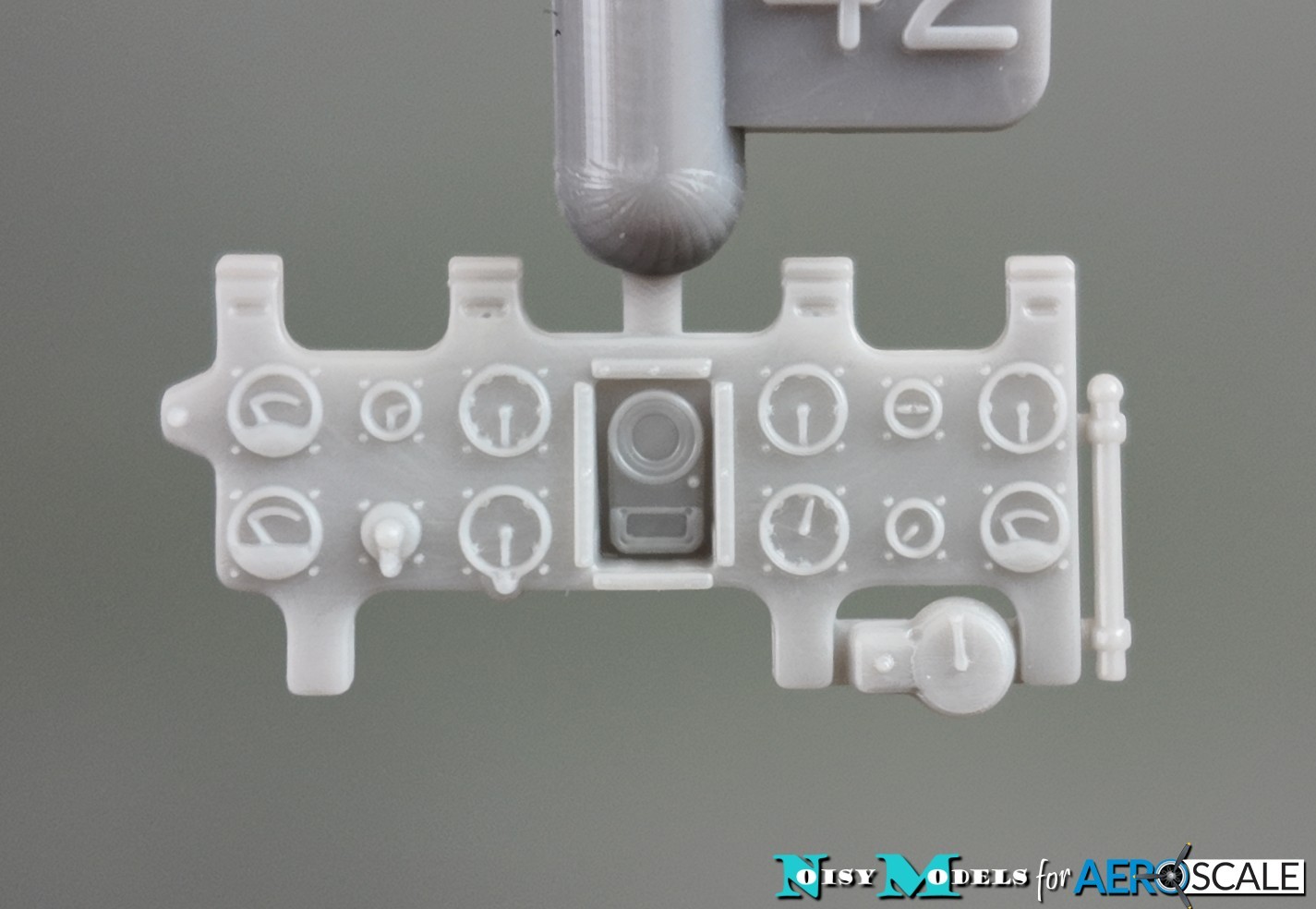
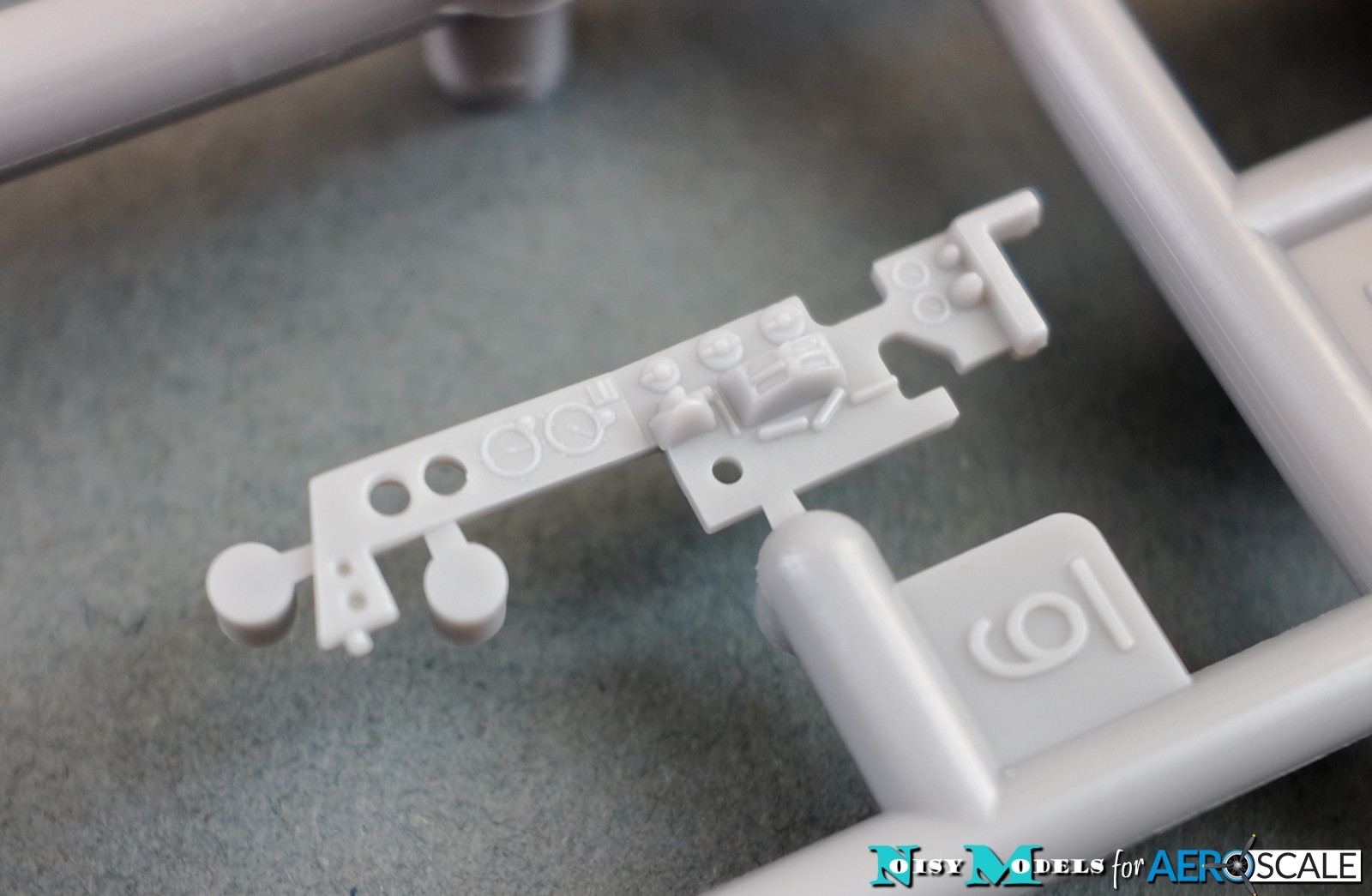
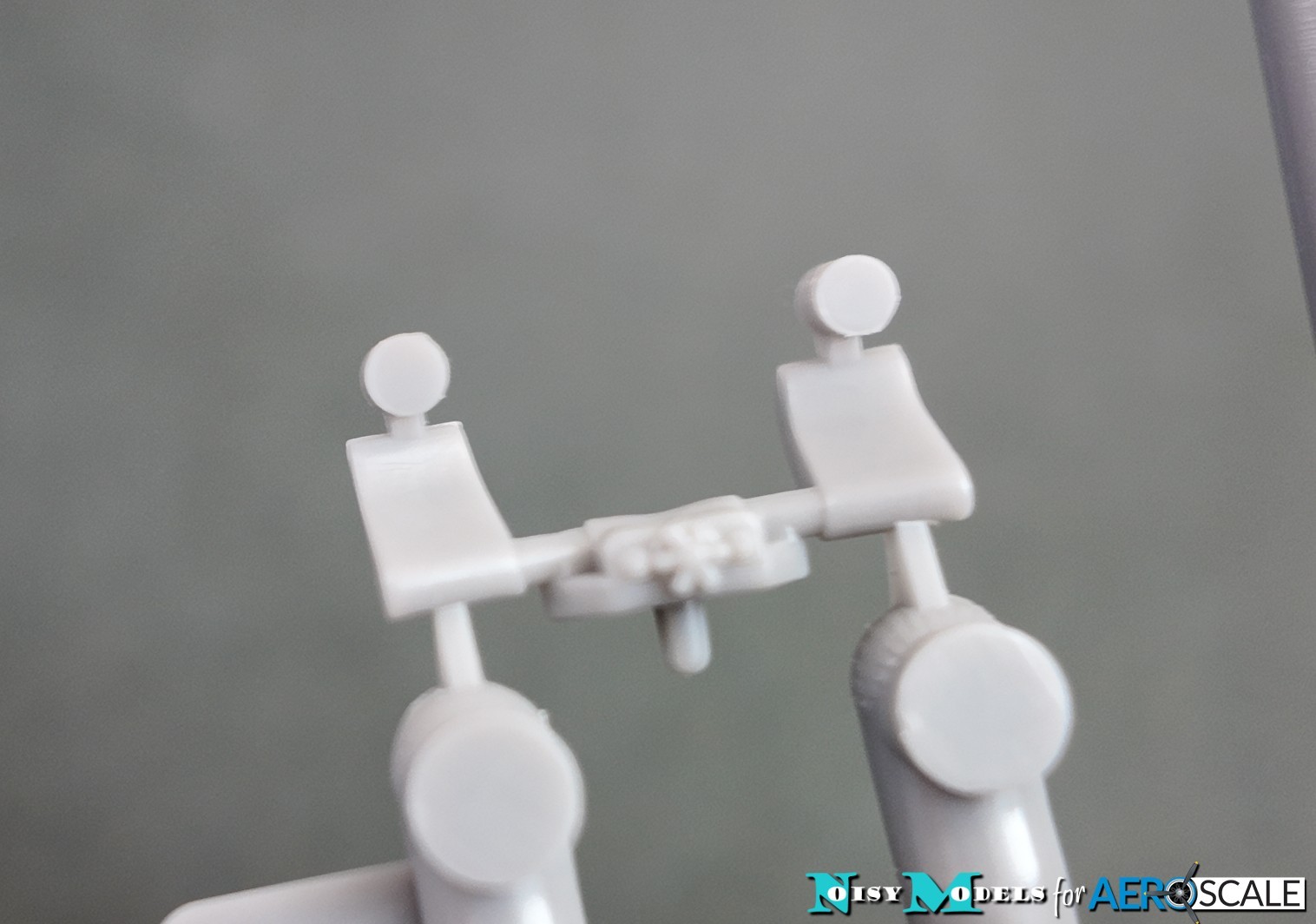
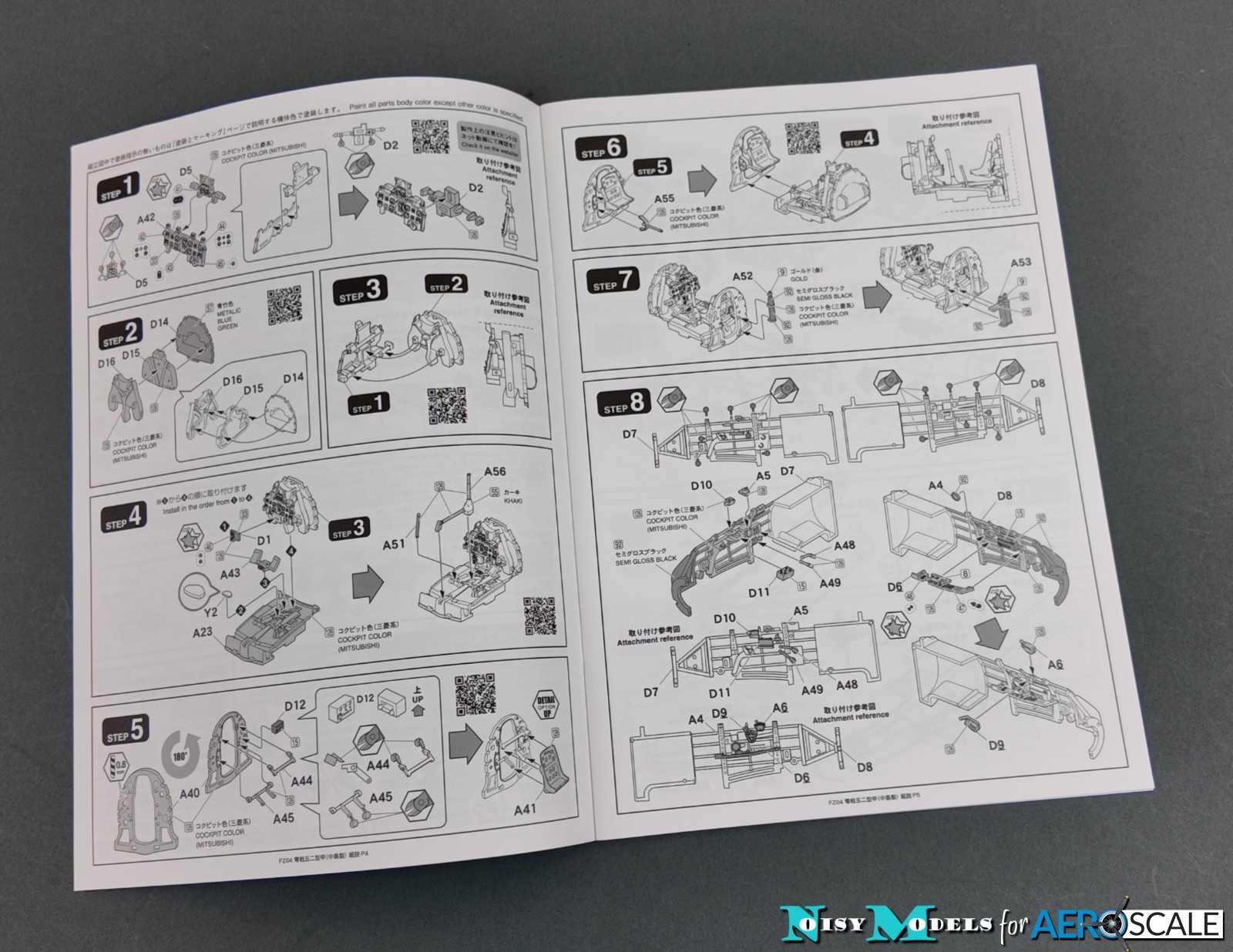
Working through the instructions sequentially, construction begins logically enough in the cockpit, which is very nicely detailed with some 34 parts in total.
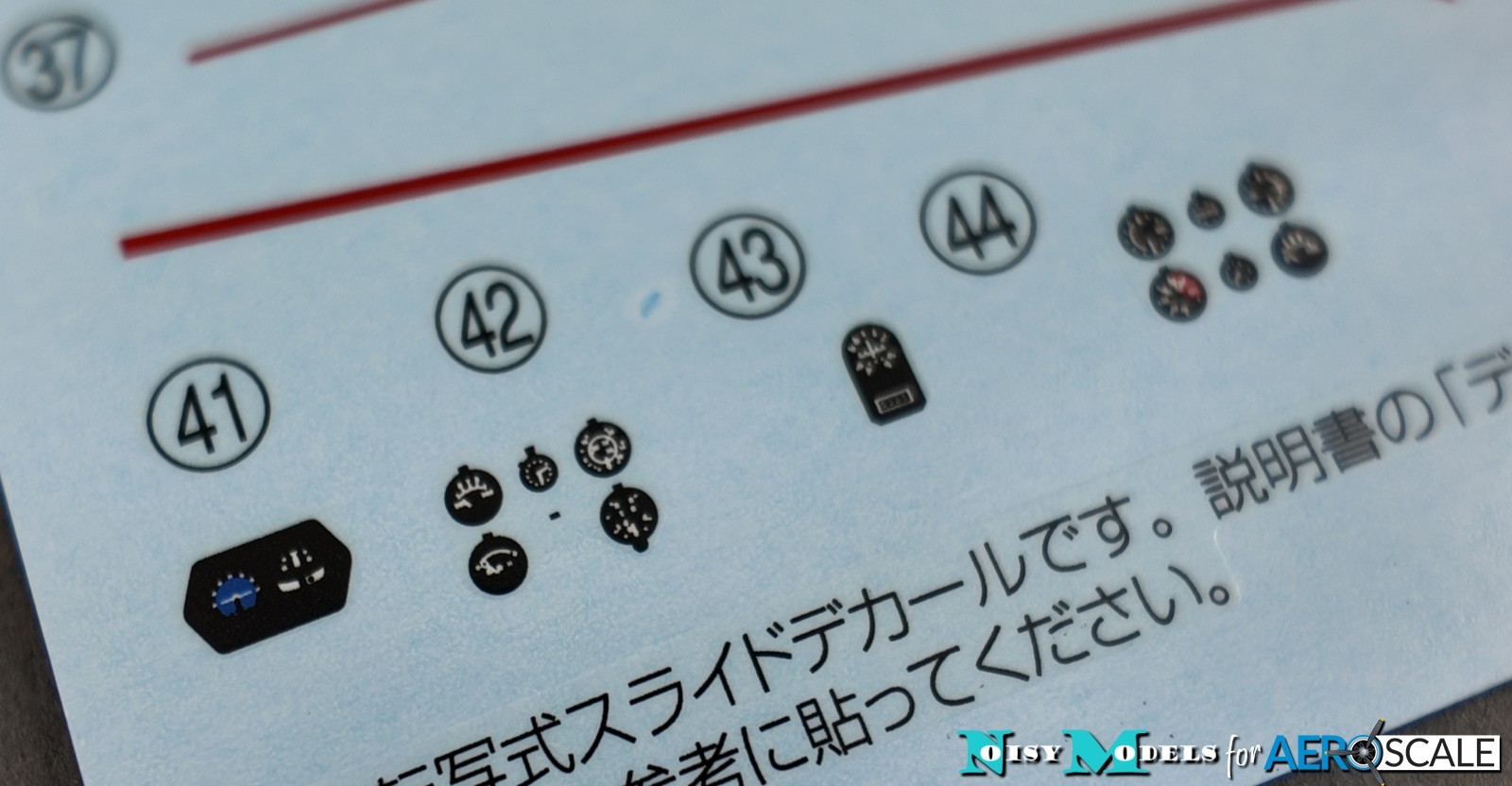
The neatly moulded instrument panel comes complete with decals for the instrument faces, as does the auxiliary panel on the left side of the cockpit.
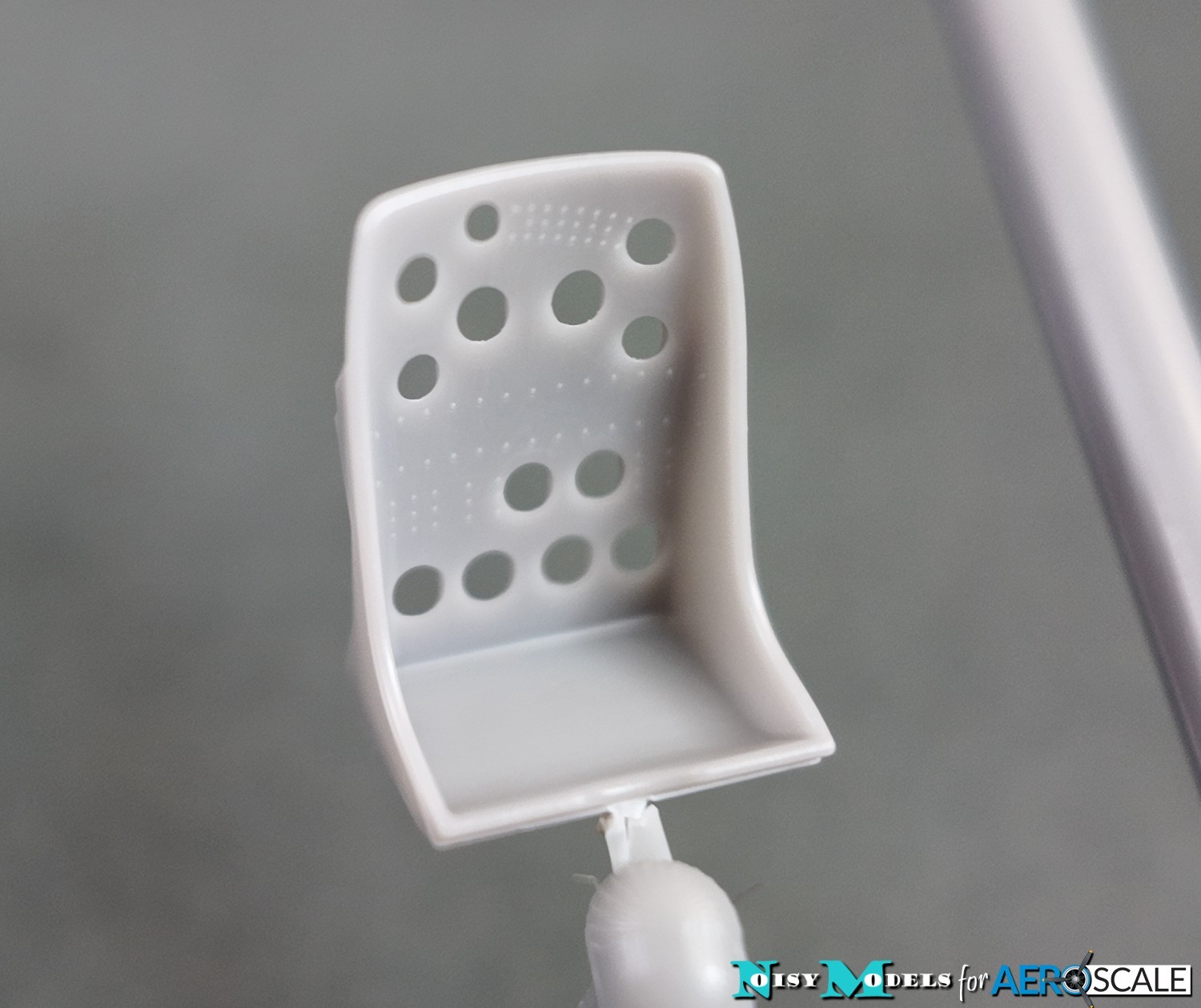
The perforated seat is delicately moulded for good scale appearance. No seat harness is included in the kit, but Fine Molds produce an aftermarkets set of very detailed flexible plastic belts. Otherwise, of course, other brands of aftermarket seat harnesses are widely available (I'm going to try out Kits World 3D-printed belts for my build).
The sidewalls are finely detailed to depict the internal structure and extend forward to form the basis of the engine mount. As noted in the test-fit, the completed cockpit sub-assembly provides a solid foundation around which the centre-section fuselage "shell" clips.
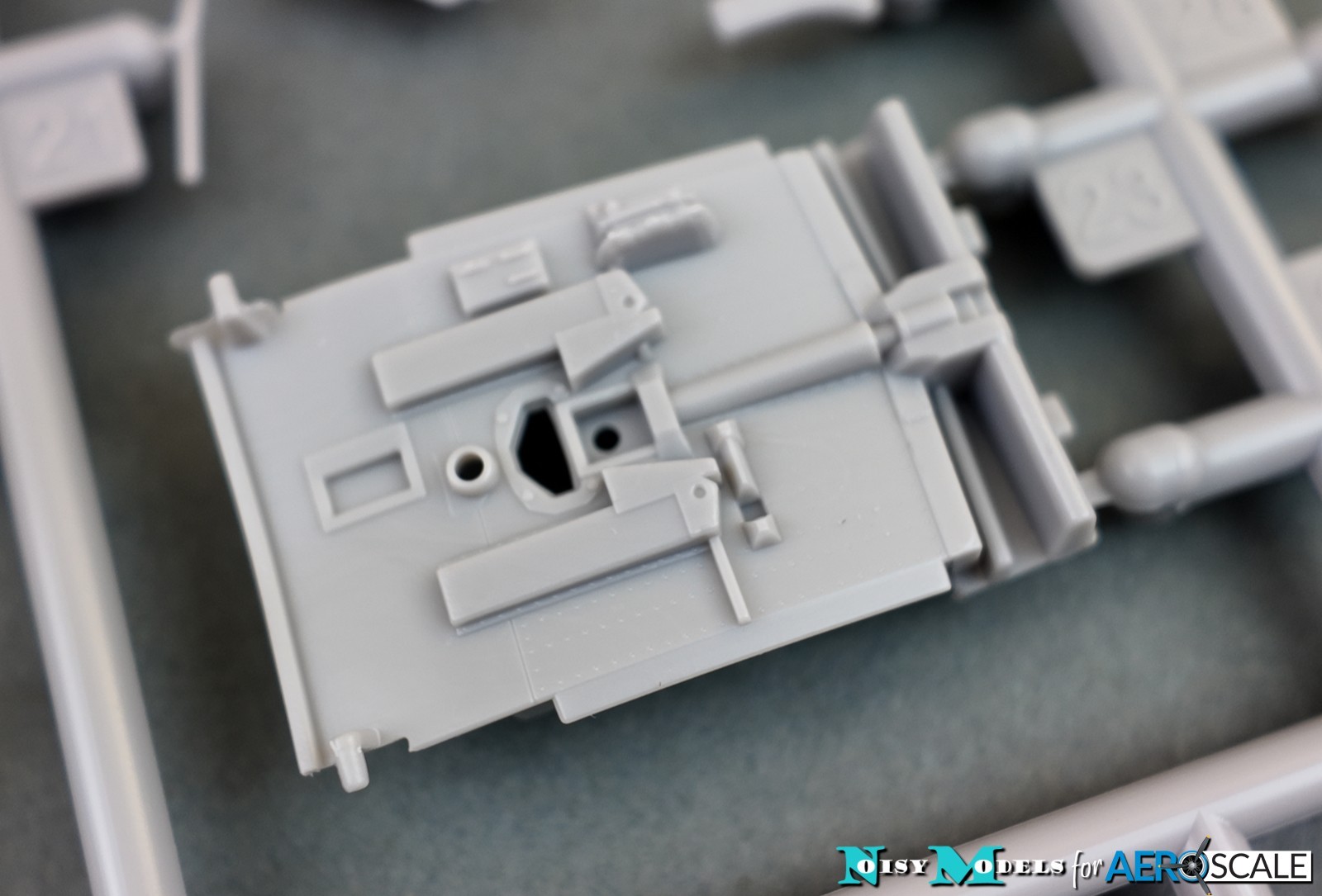
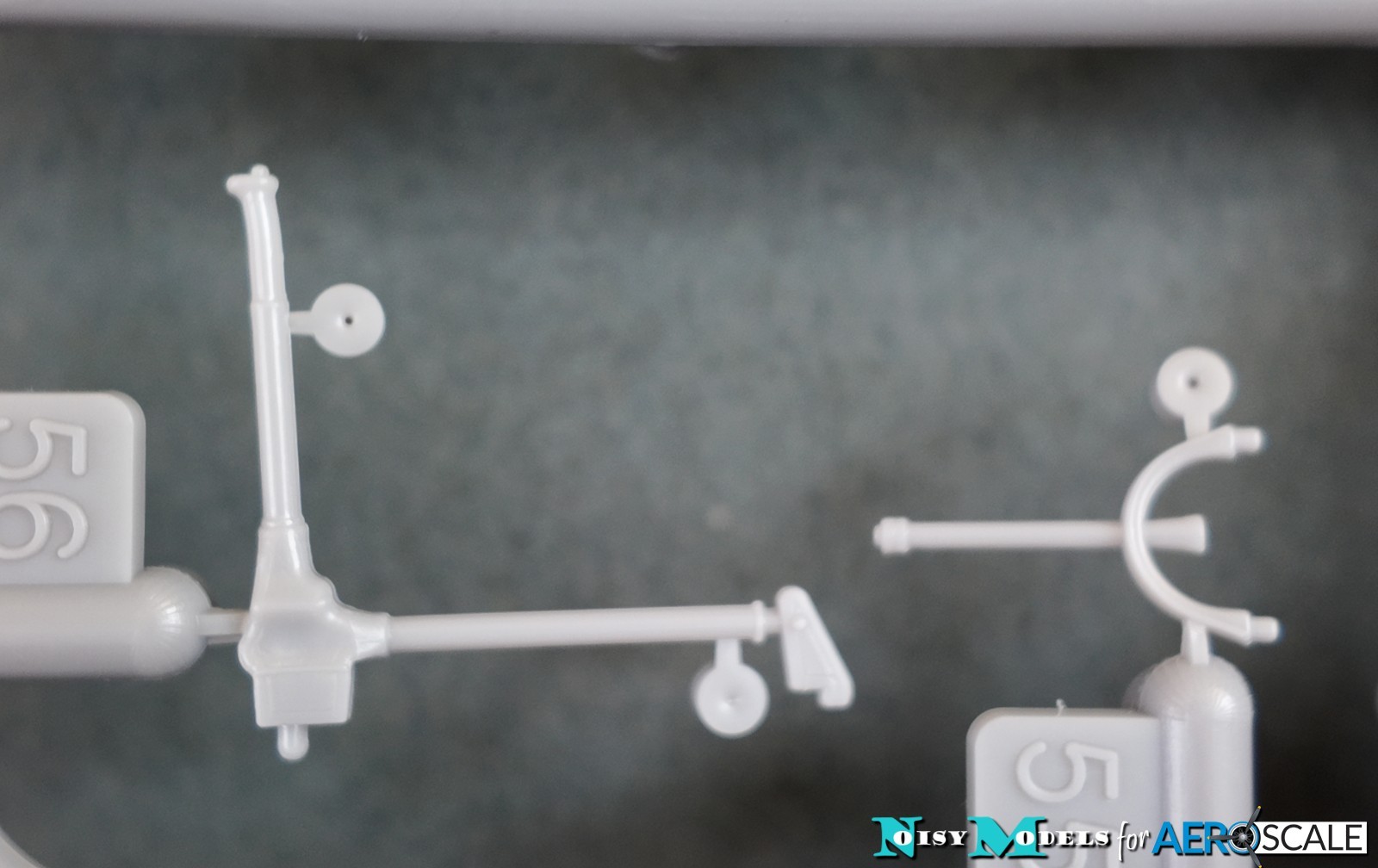
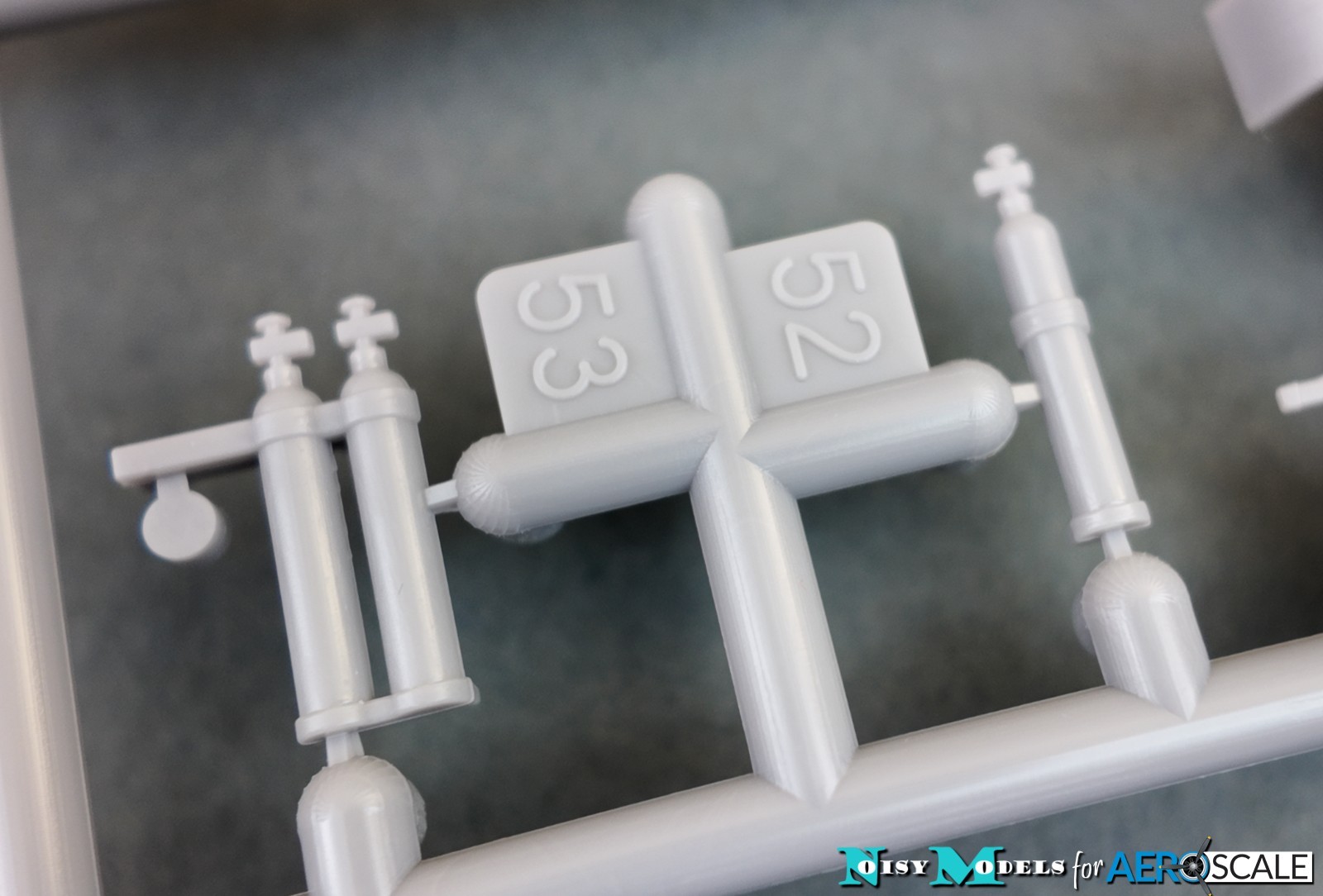
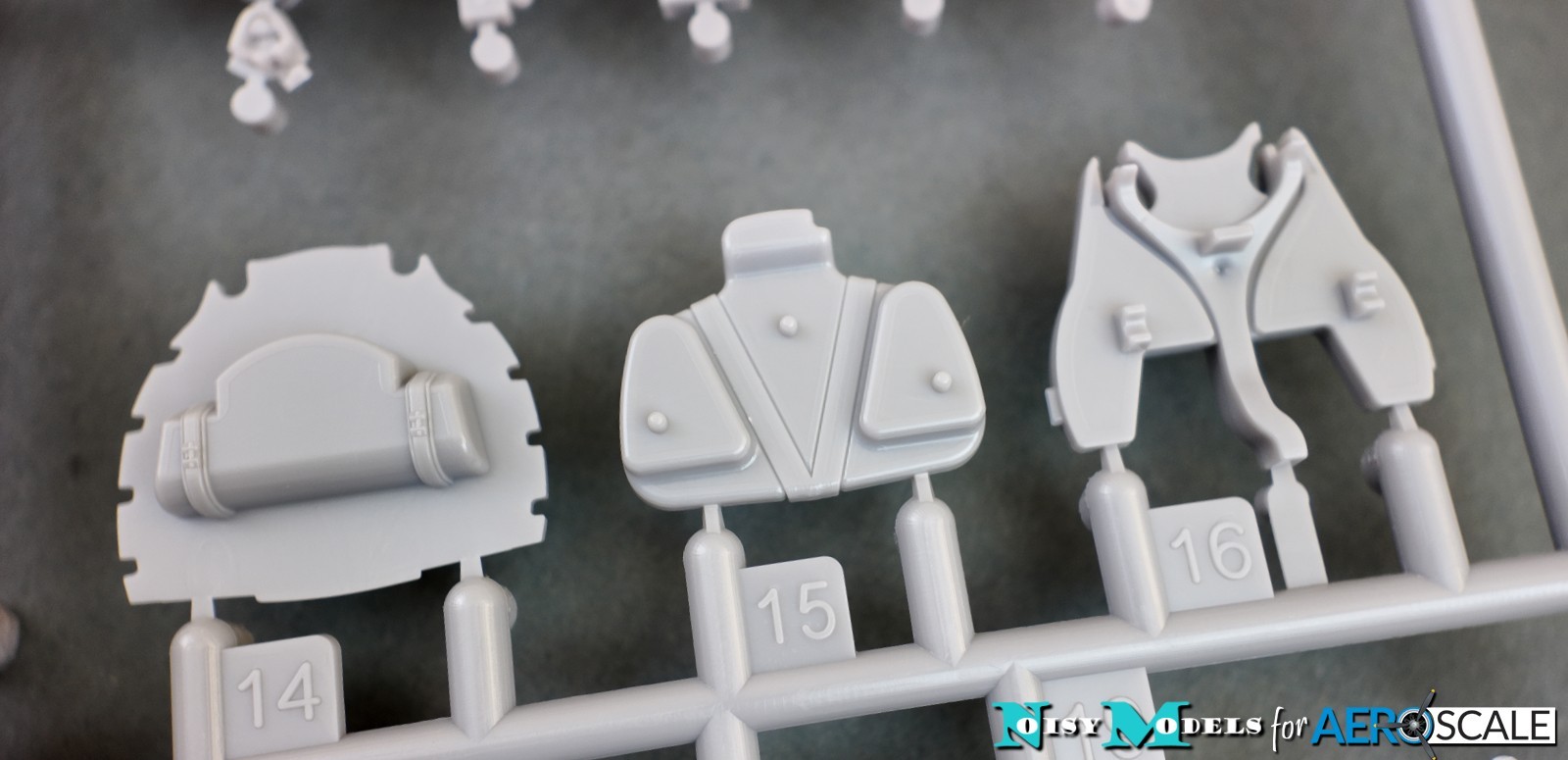
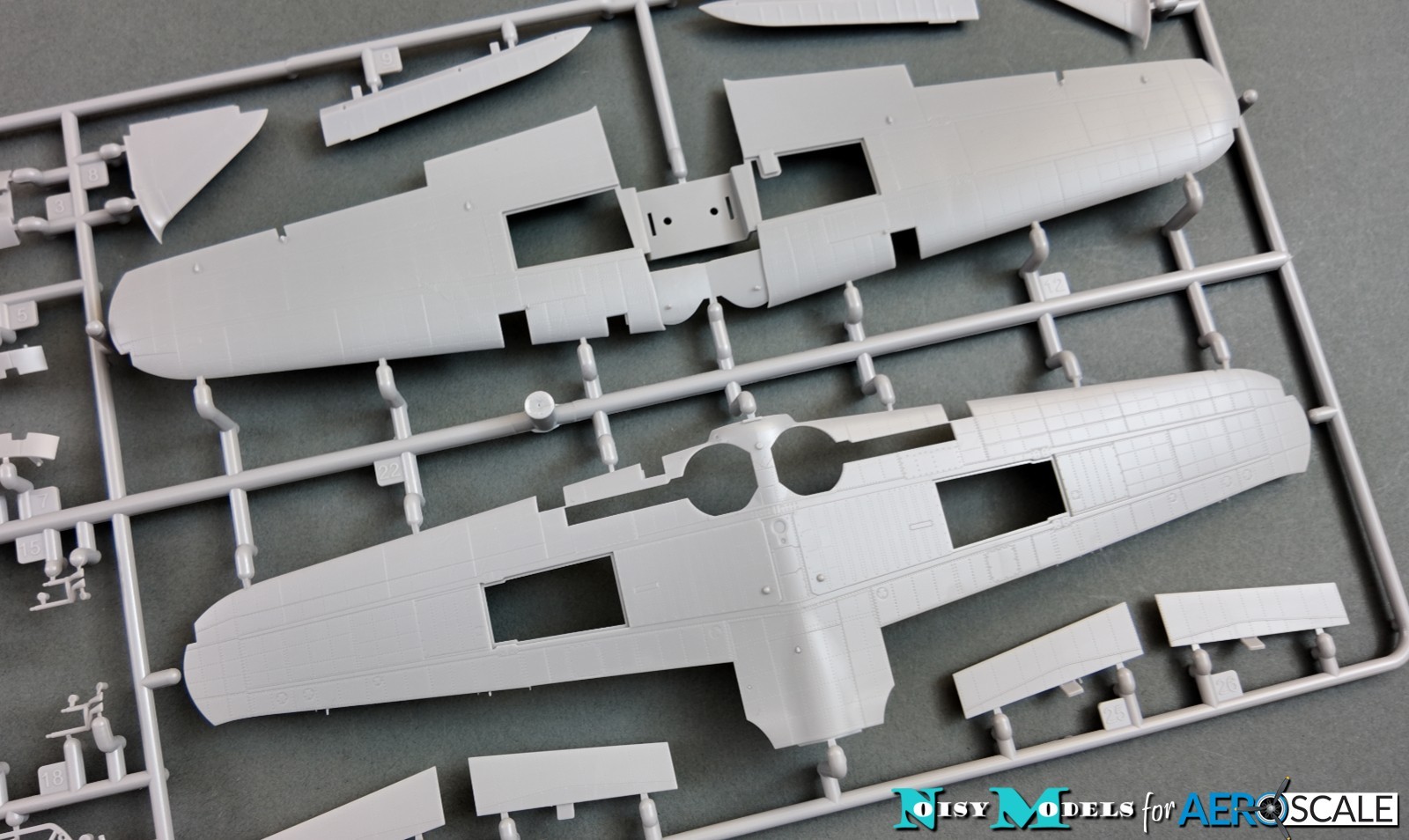
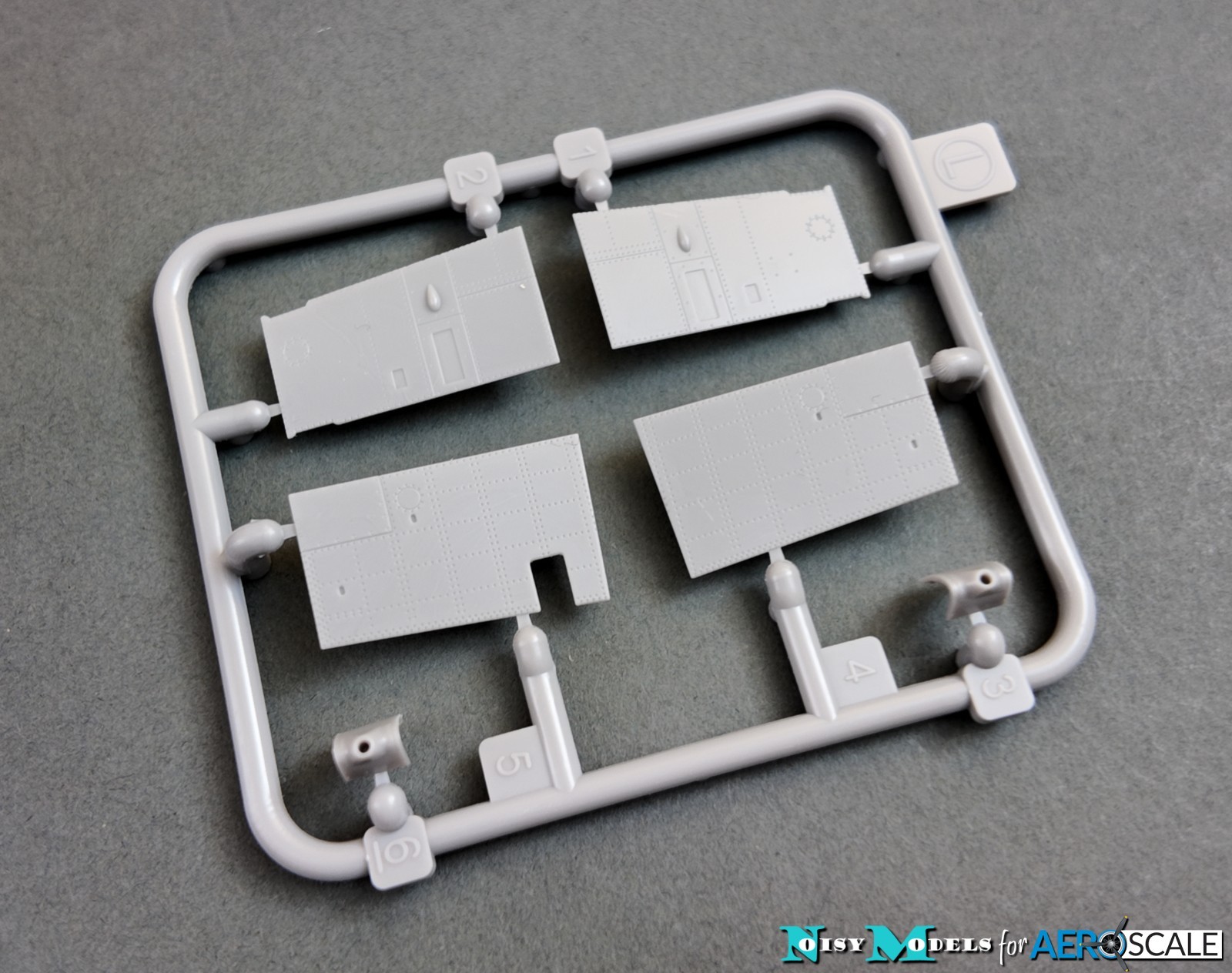
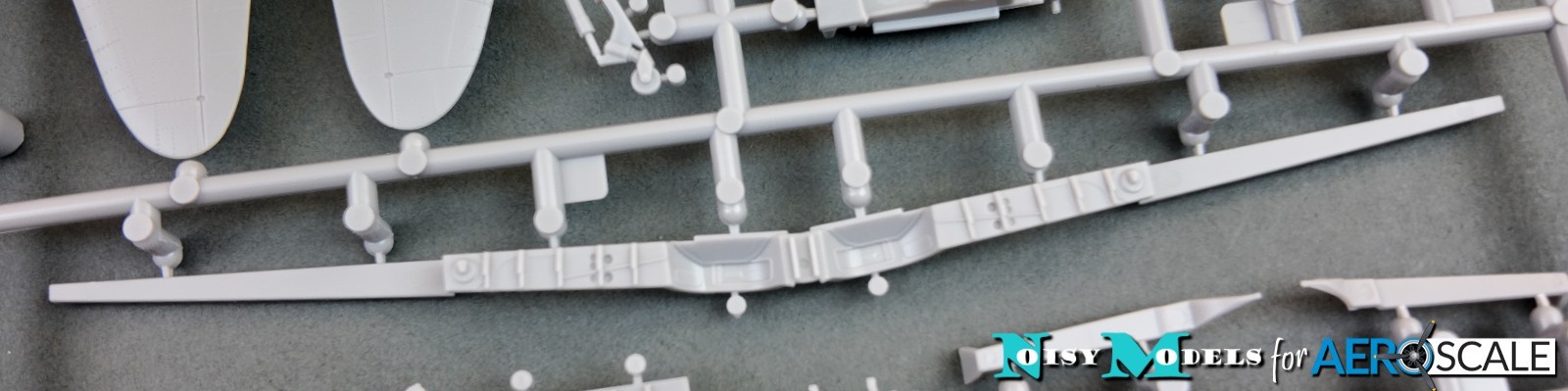
The wings are moulded as full span top and bottom halves with an internal spar to ensure the dihedral is correct. Large drop in panels are provided both above and below that are specific to the Nakajima-built airframe.
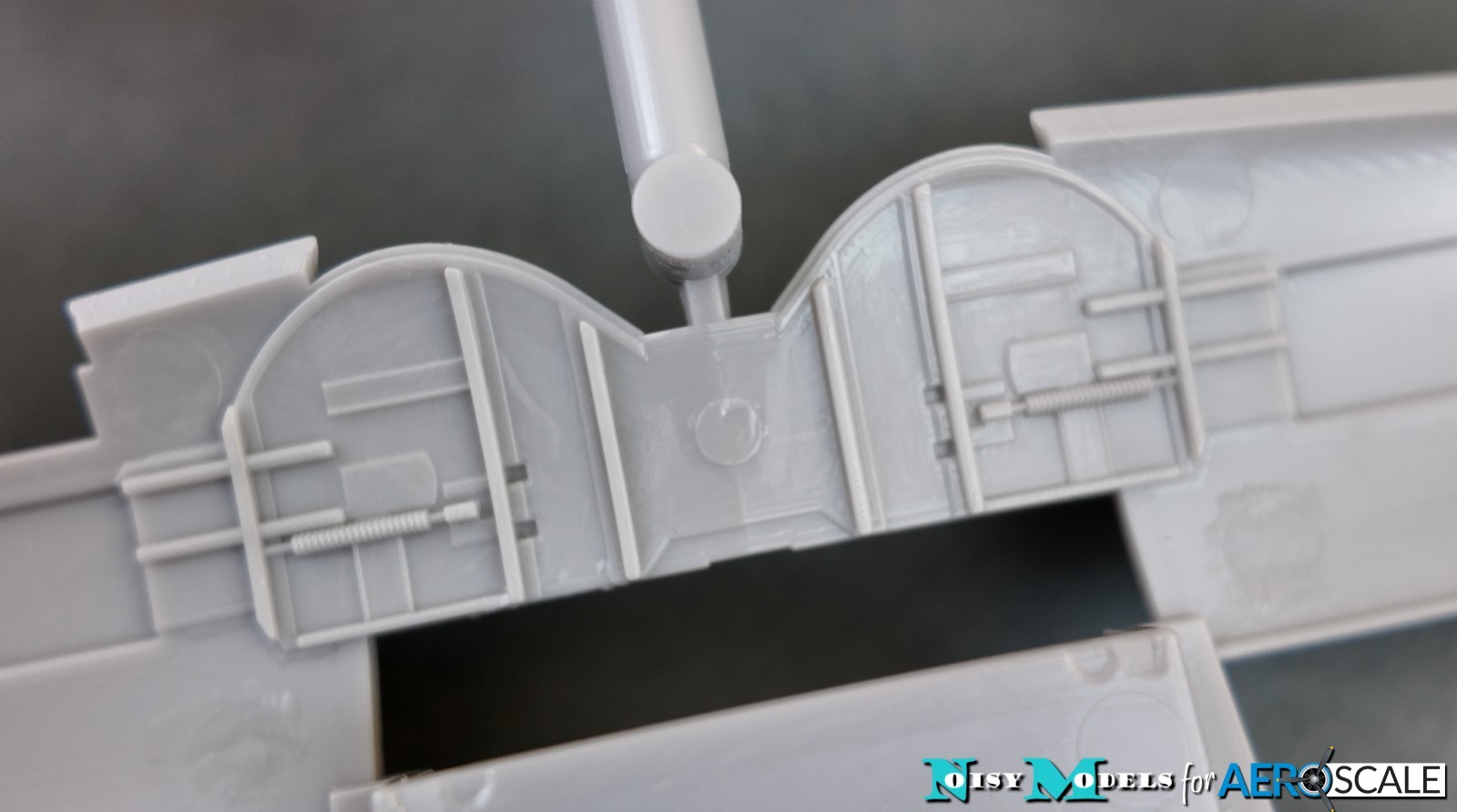
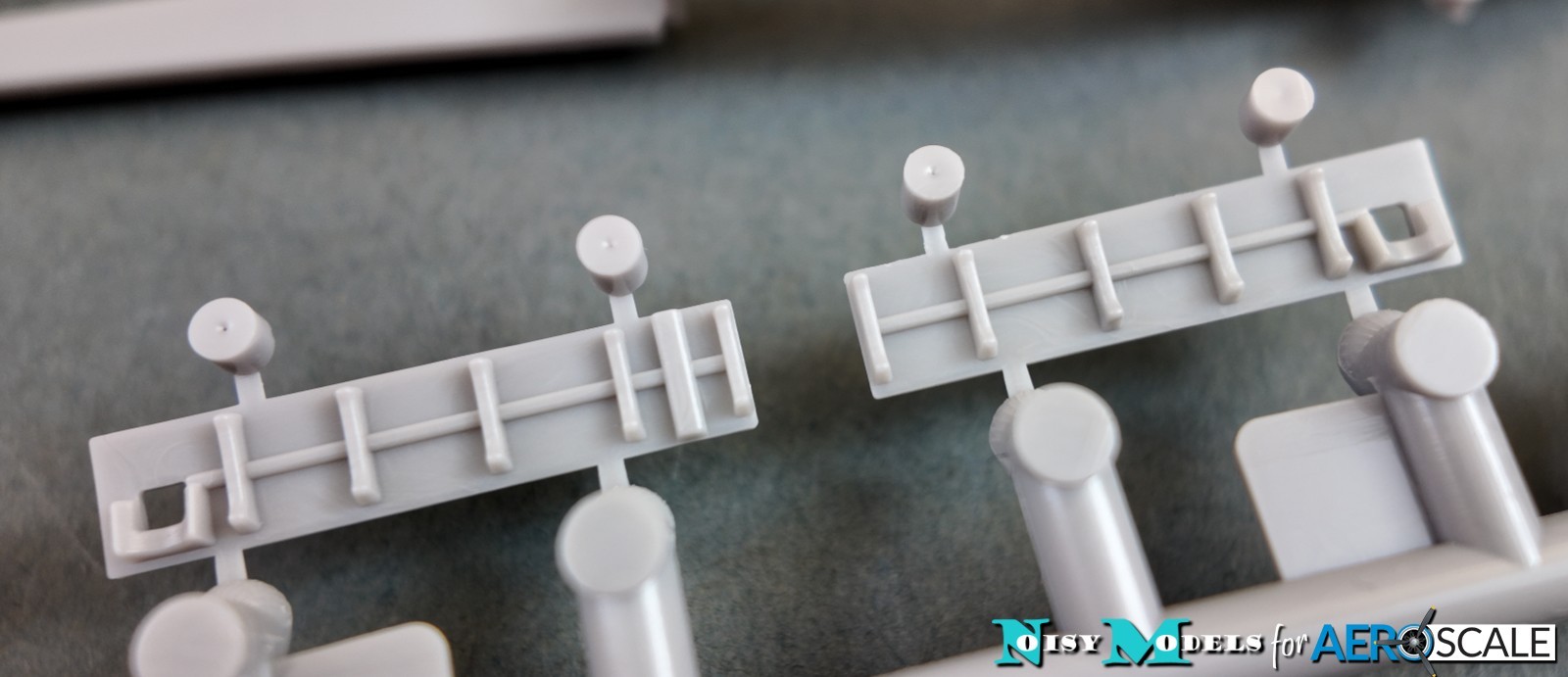
The spar forms the rear of the wheel well, which is full boxed-in and very neatly detailed. The flaps are separate and can be positioned raised or lowered with nicely represented internal structure.
Once the wings and fuselage are joined, the instructions suggest painting the main external finish, which may be a tad early - I'd probably attach the horizontal tail first - but it's good to see the designers thinking ahead and taking a sensible approach, rather than have you add a load of details that will only get in the way of painting or be damaged in the process.
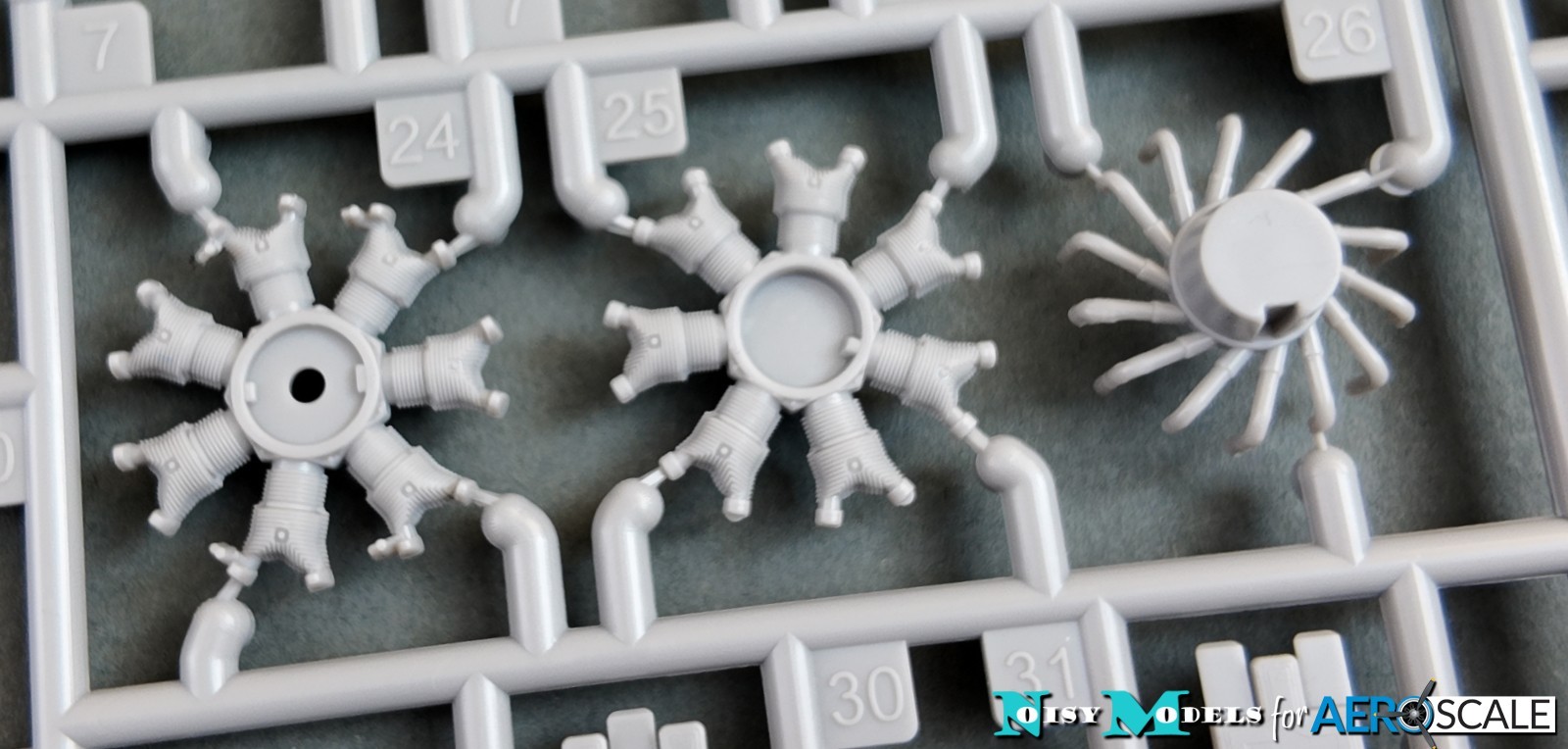
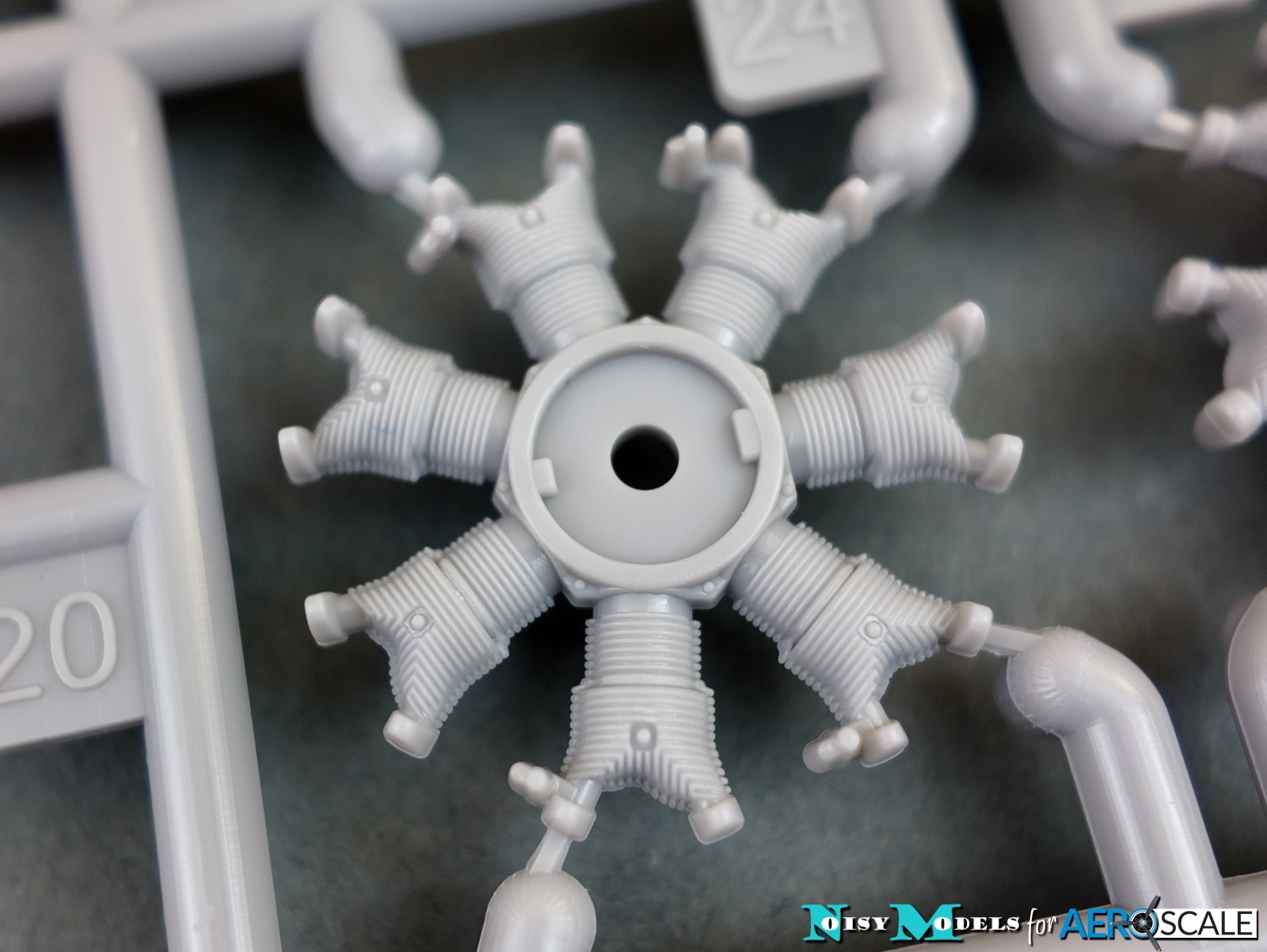
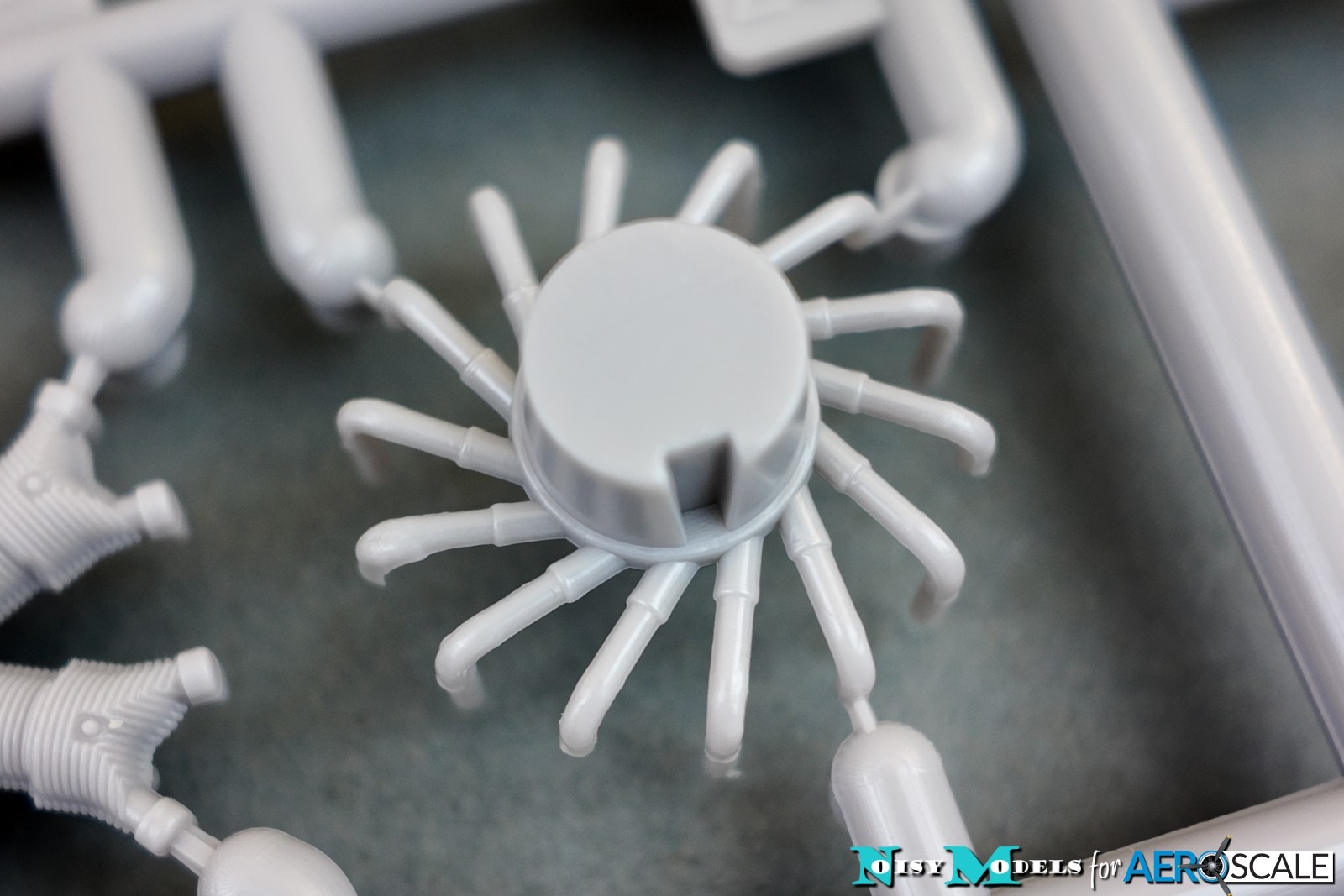
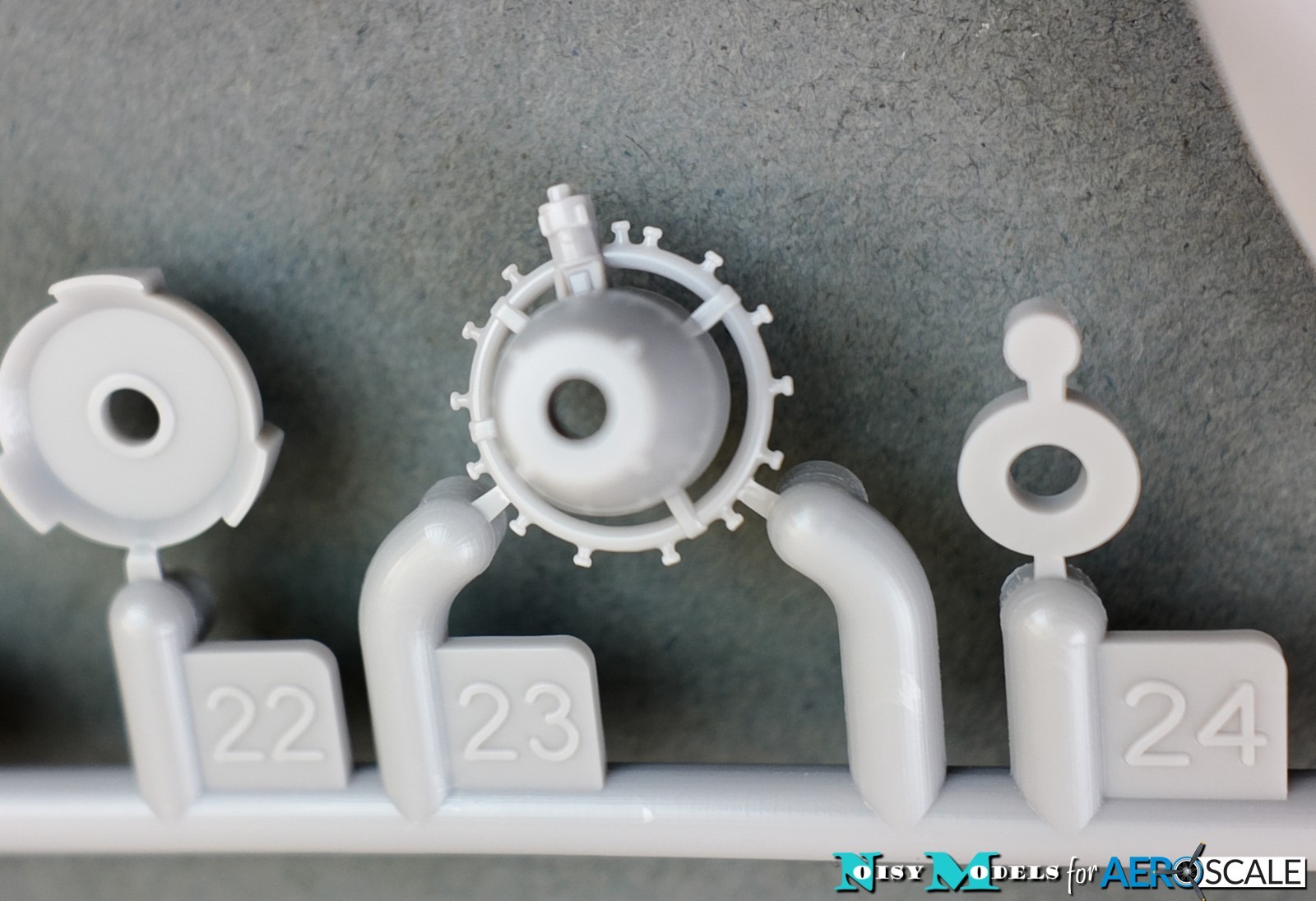
Things then move on to the engine which promises to be a real gem when complete. It comprises 17 parts and is intended to be viewable on the finished model thanks to a removable cowling. This is accomplished with a push-fit propeller that's held in place with a soft poly washer inside the crankcase.
The cowl flaps can be posed upon or closed, and all the engine really lacks is a wiring harness to really look the part. The stock engine is certainly good enough to display and it definitely lends itself to a vignette of the aircraft being serviced.
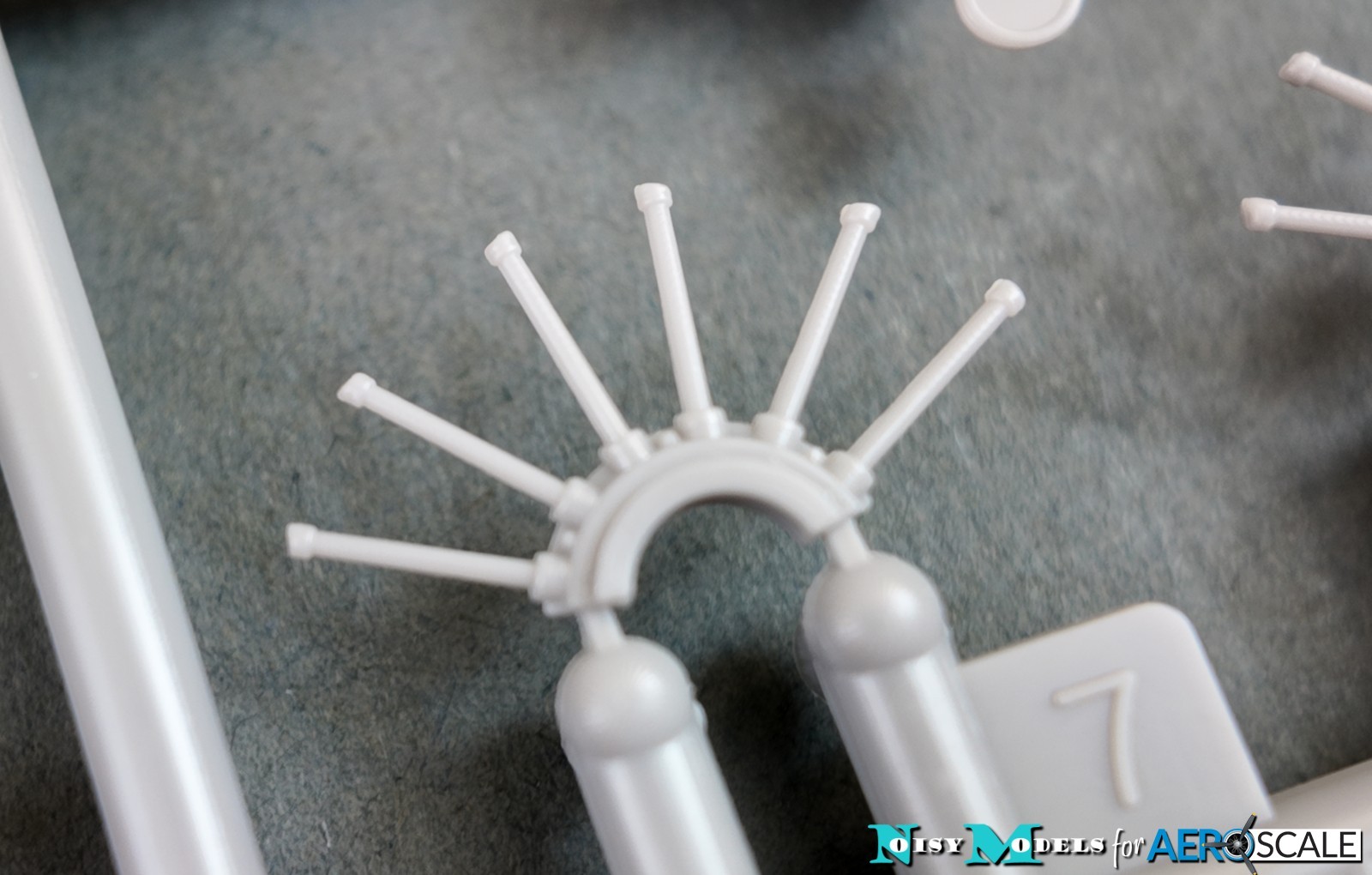
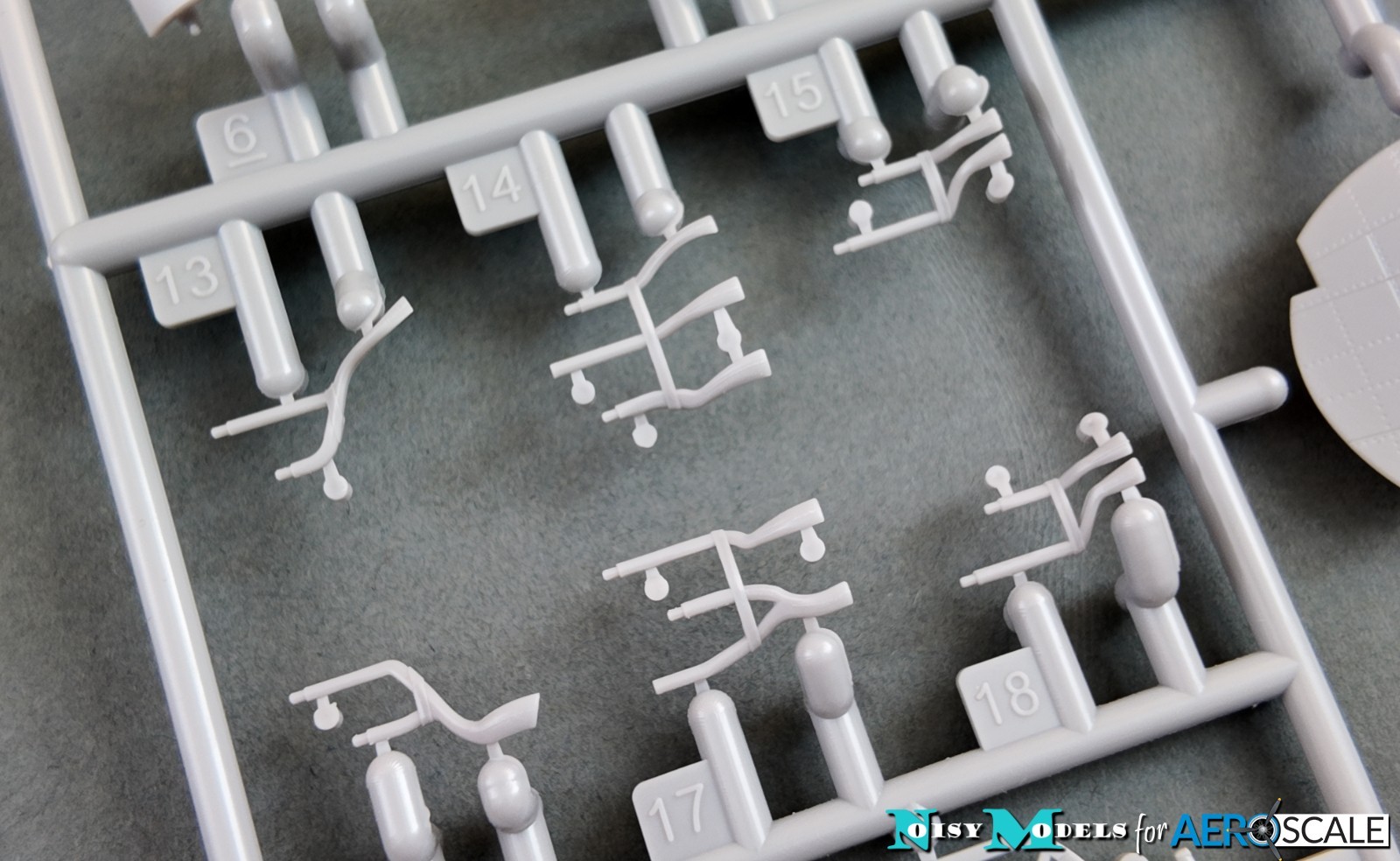
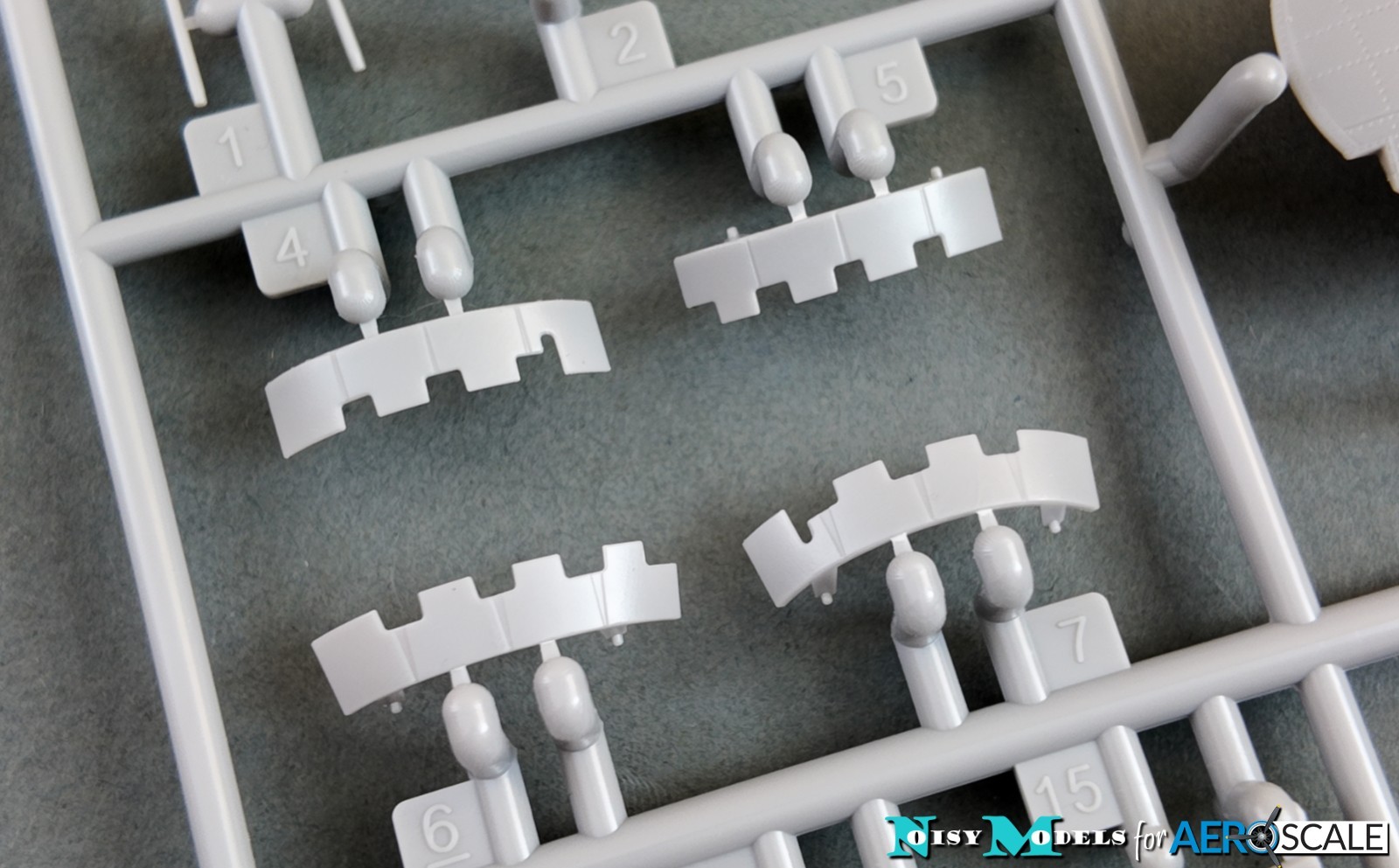
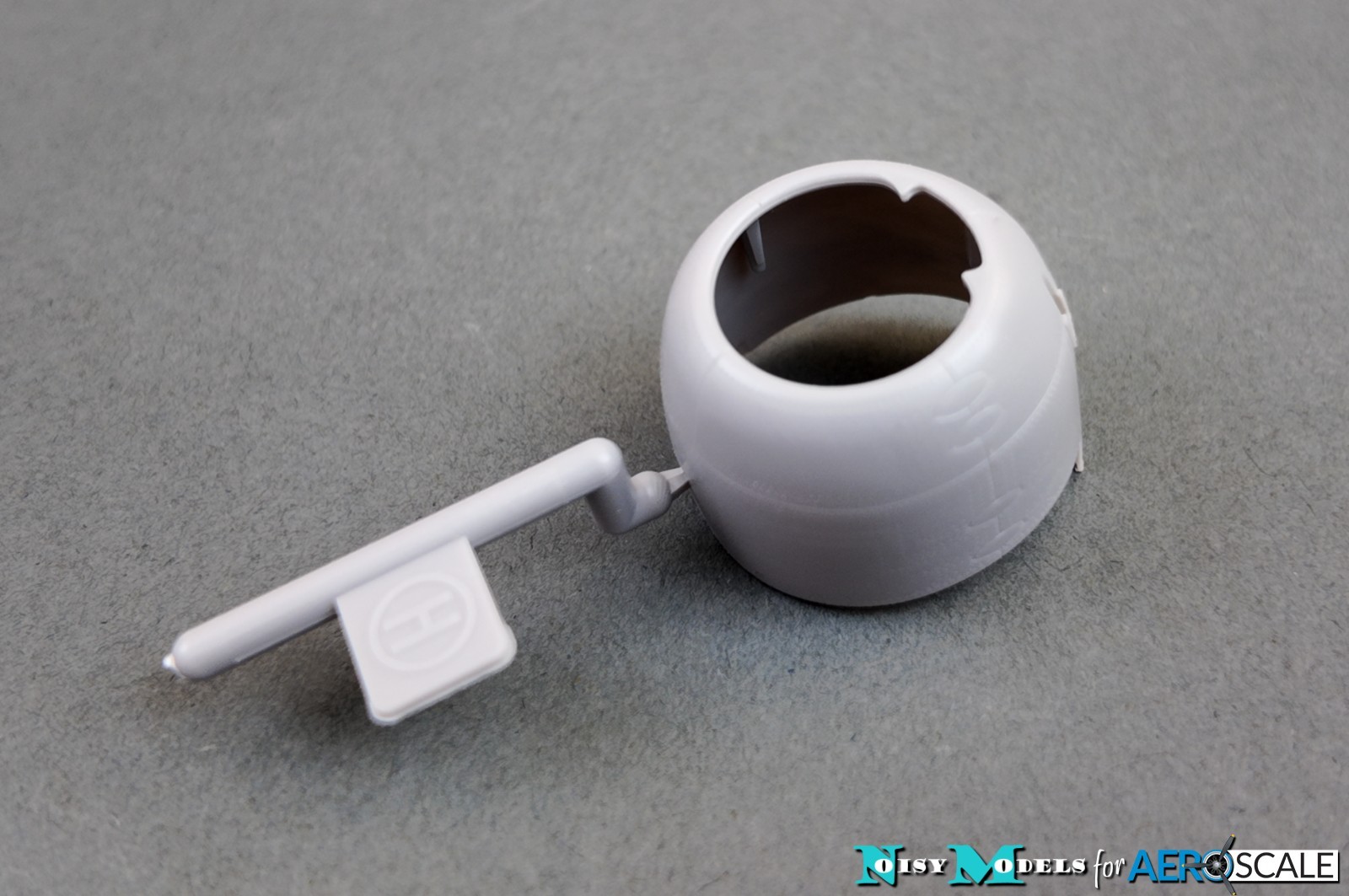

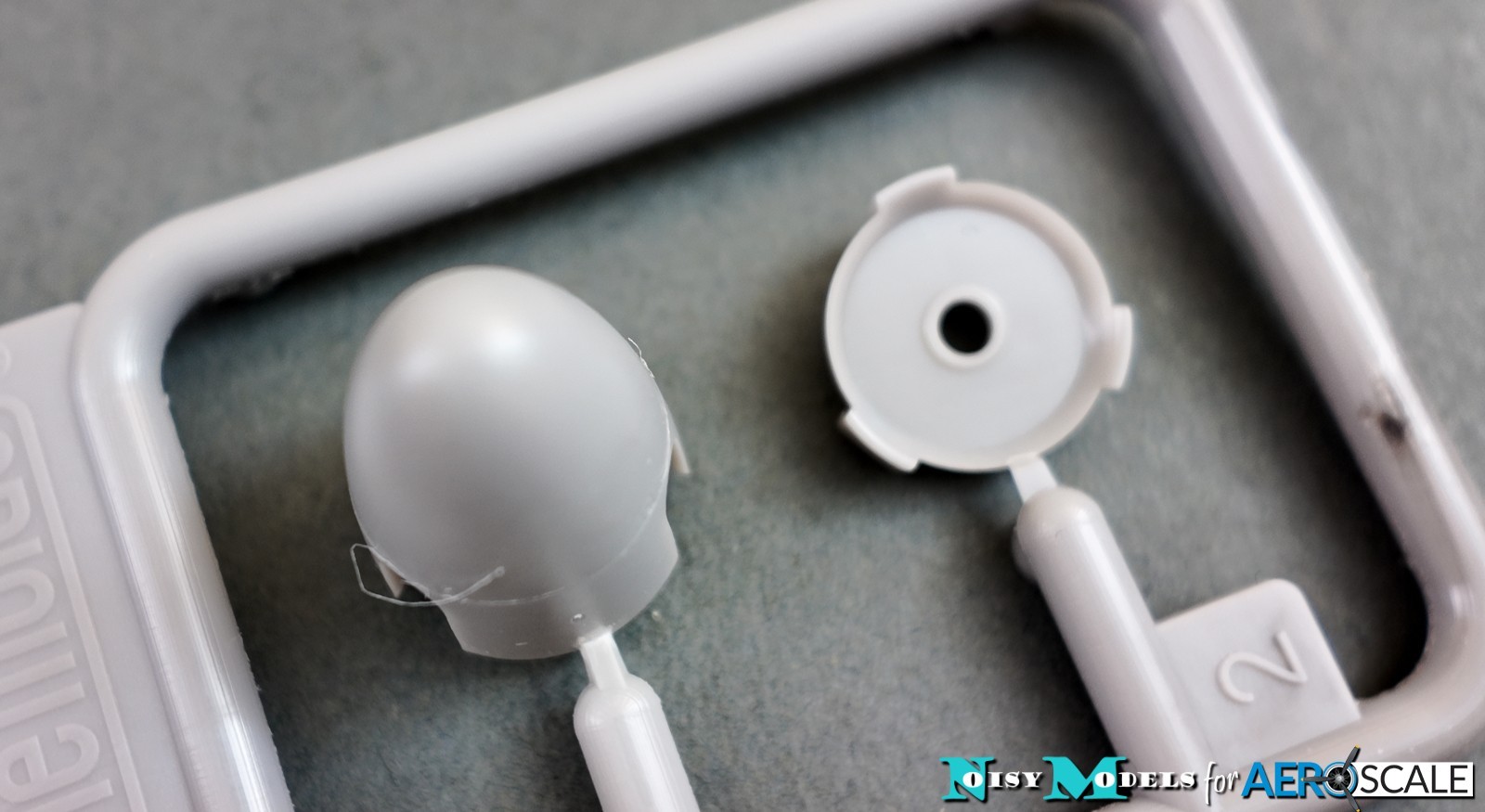
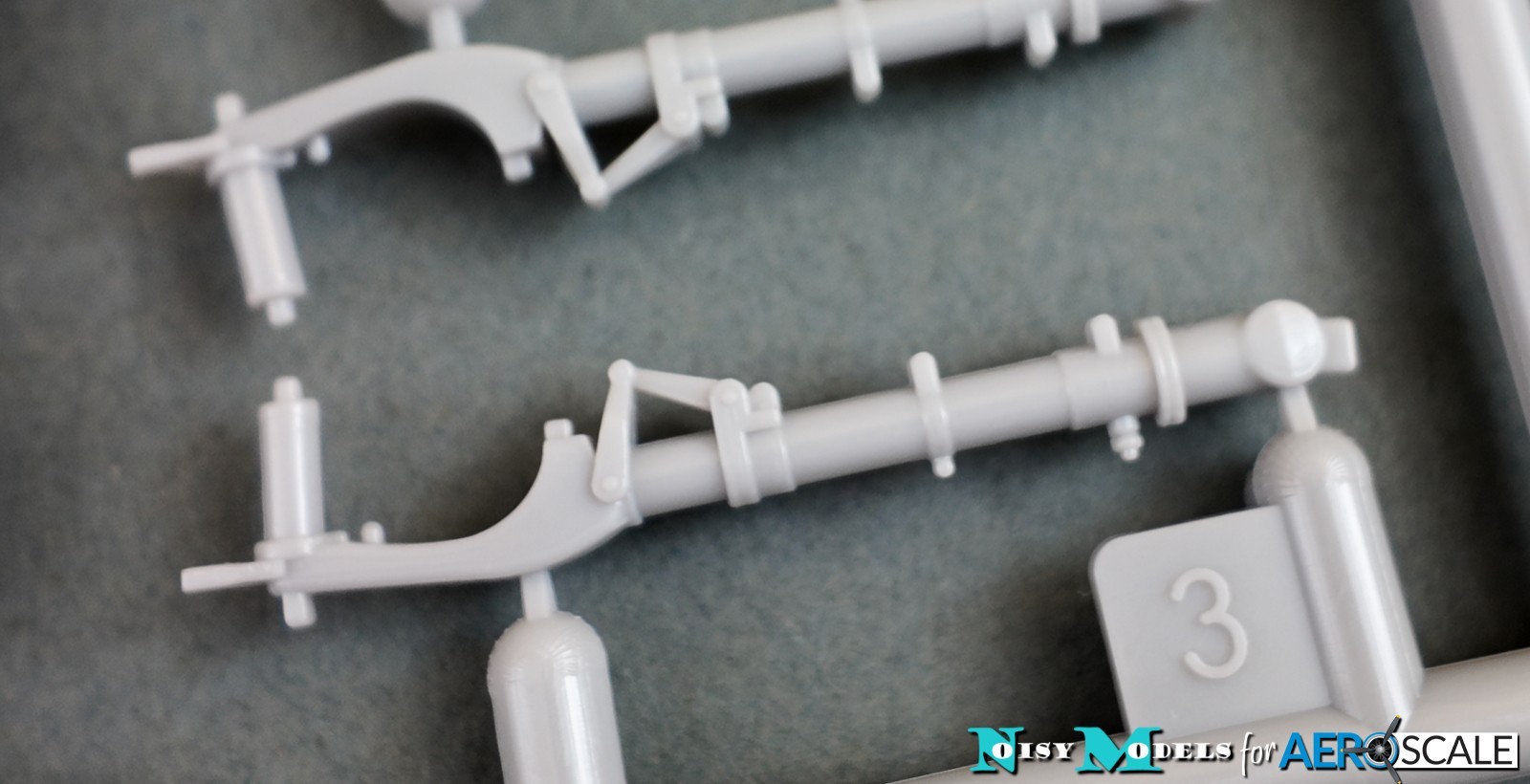
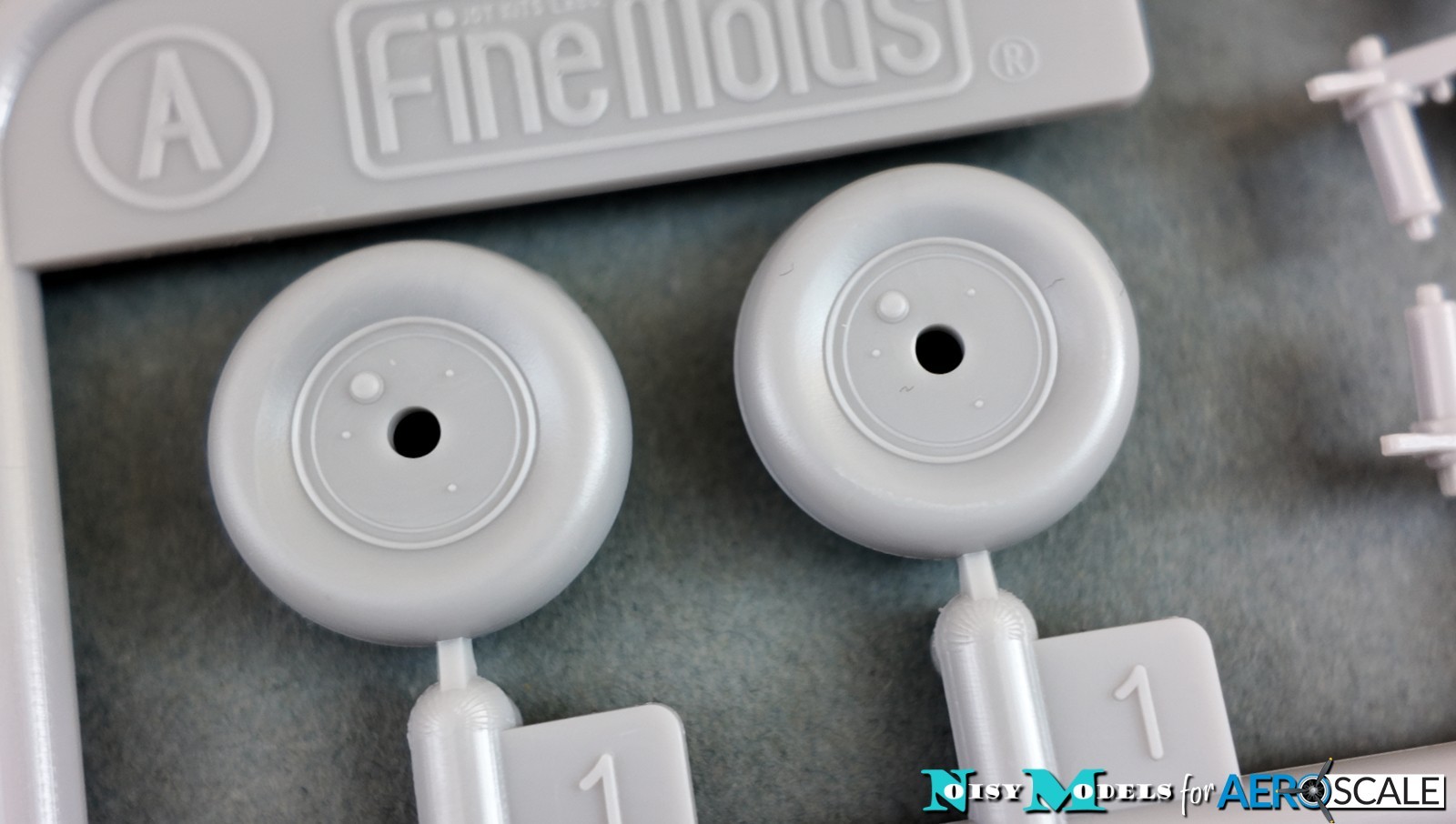
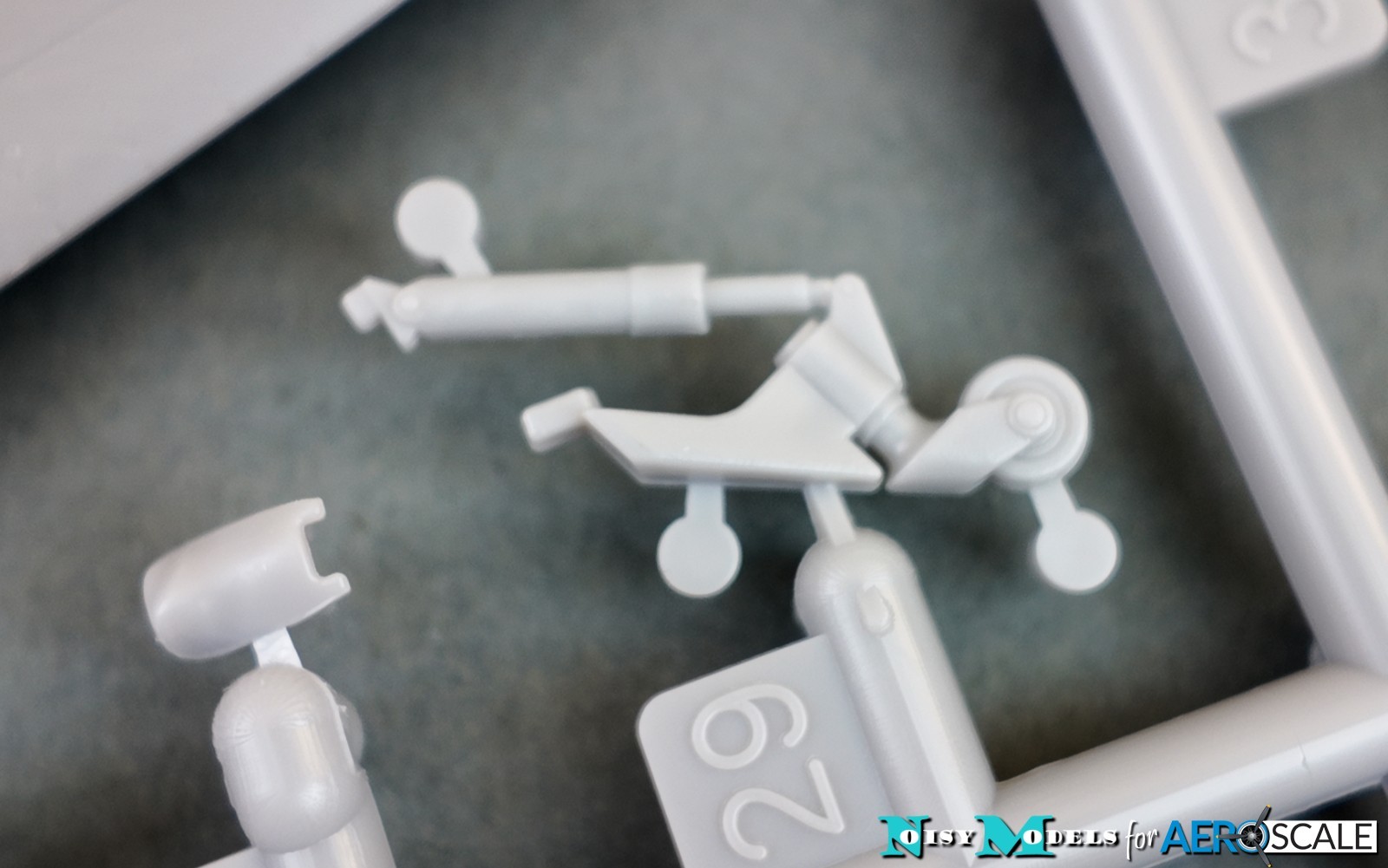
After the complexity of the engine, the undercarriage is surprisingly simple, but it's still nicely detailed. The mainwheels have separate hubs and are intended to revolve - something of a hark back to earlier days of modelling. Personally, I'll do away with that and file slight "flats" on the tyres to give the finished model a more realistic sit instead of looking like it's standing on tip-toe.
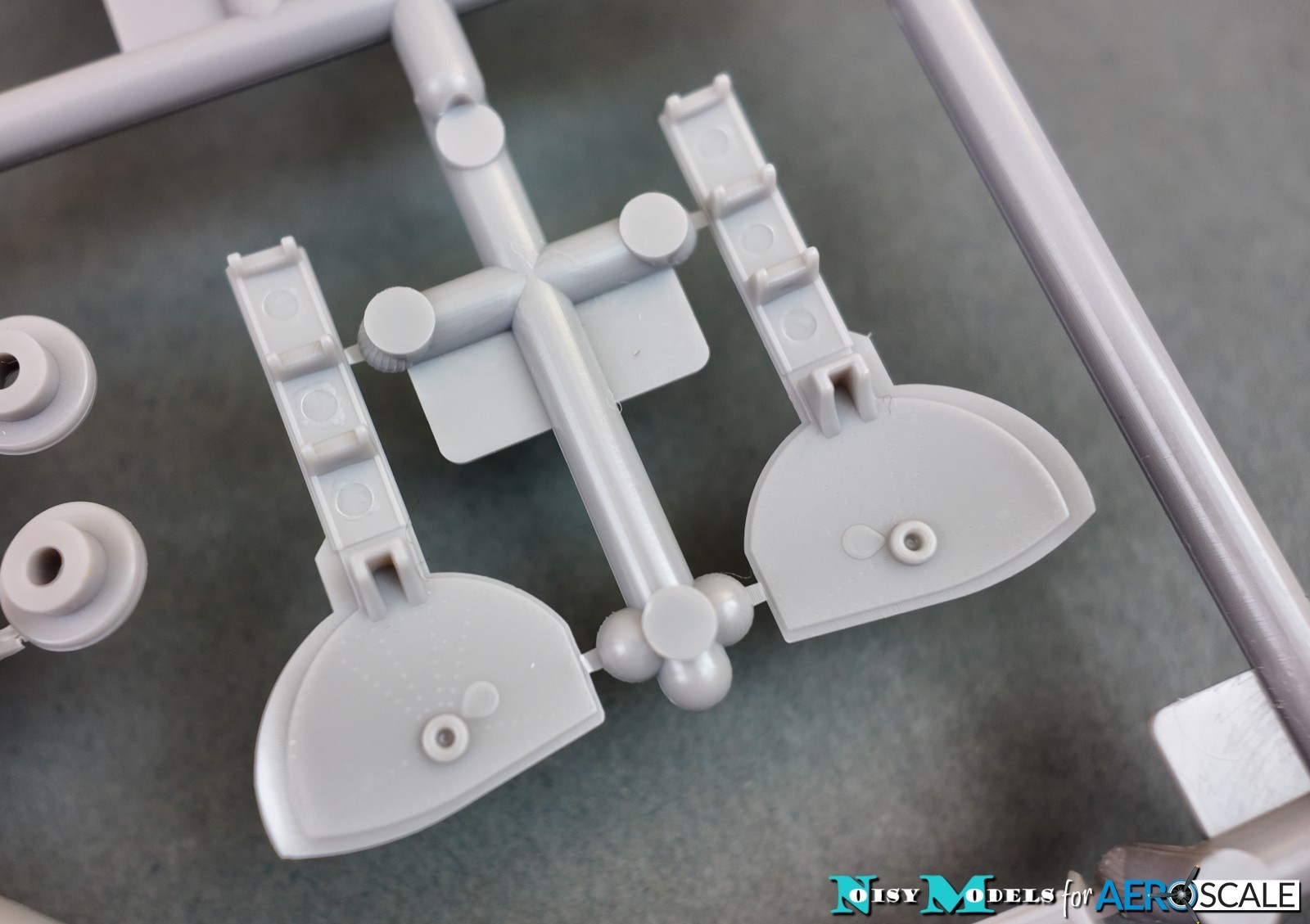
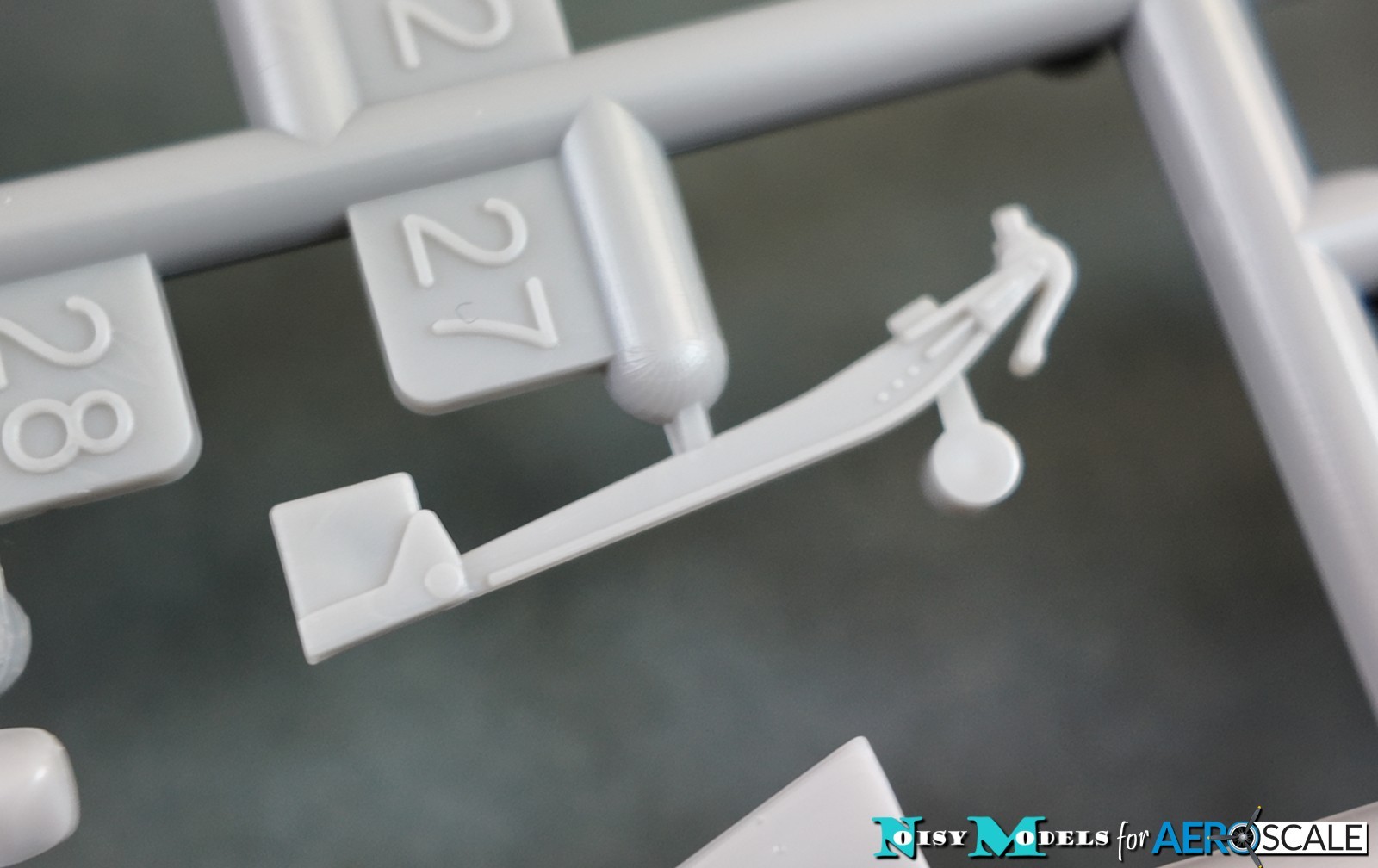
The gear doors are well detailed, with delicate retraction arms for the inner set. The tailwheel is just one piece, but it should look fine and, overall, the undercarriage promises to be very straightforward.
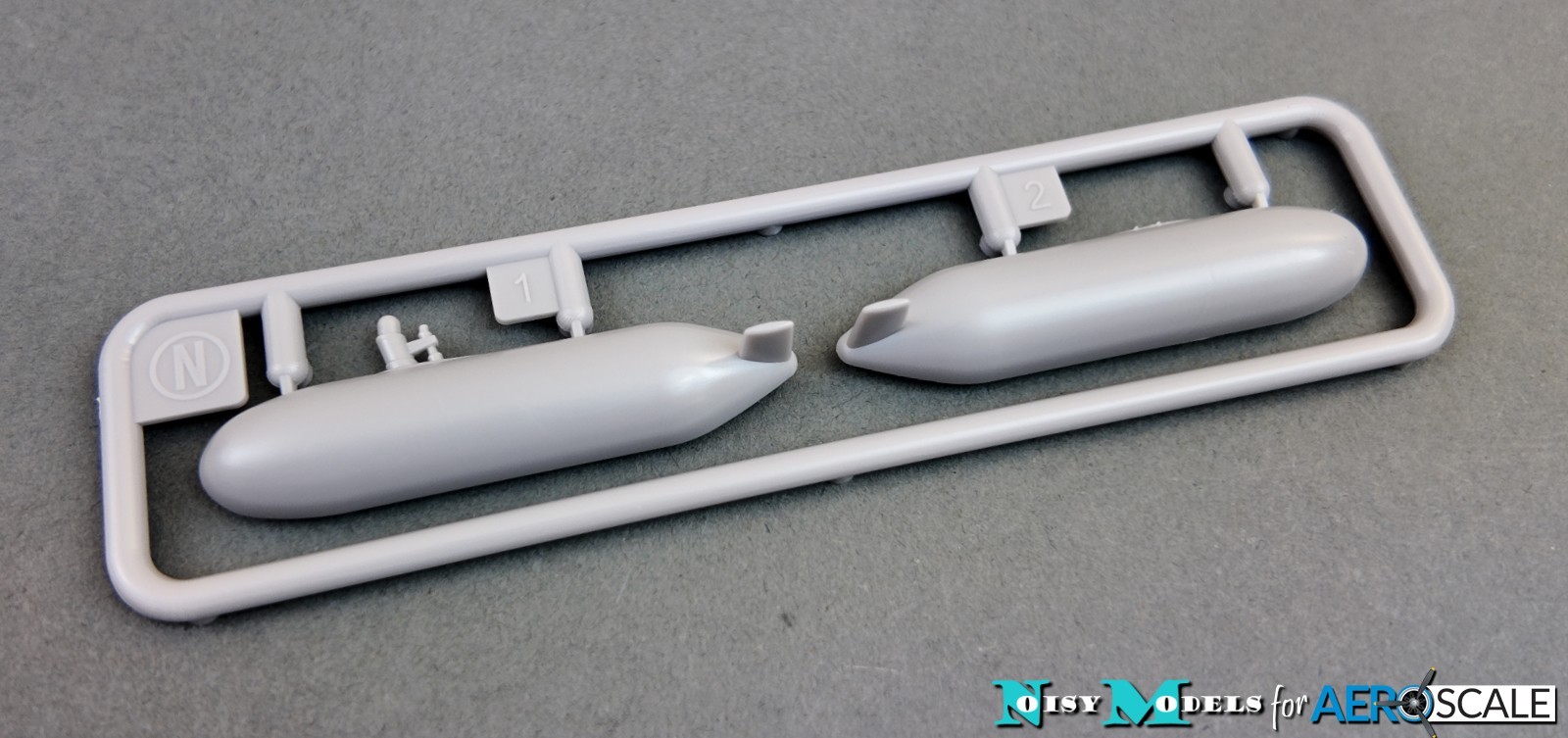
An optional drop tank is provided, this boxing having one with short horizontal tail fins.
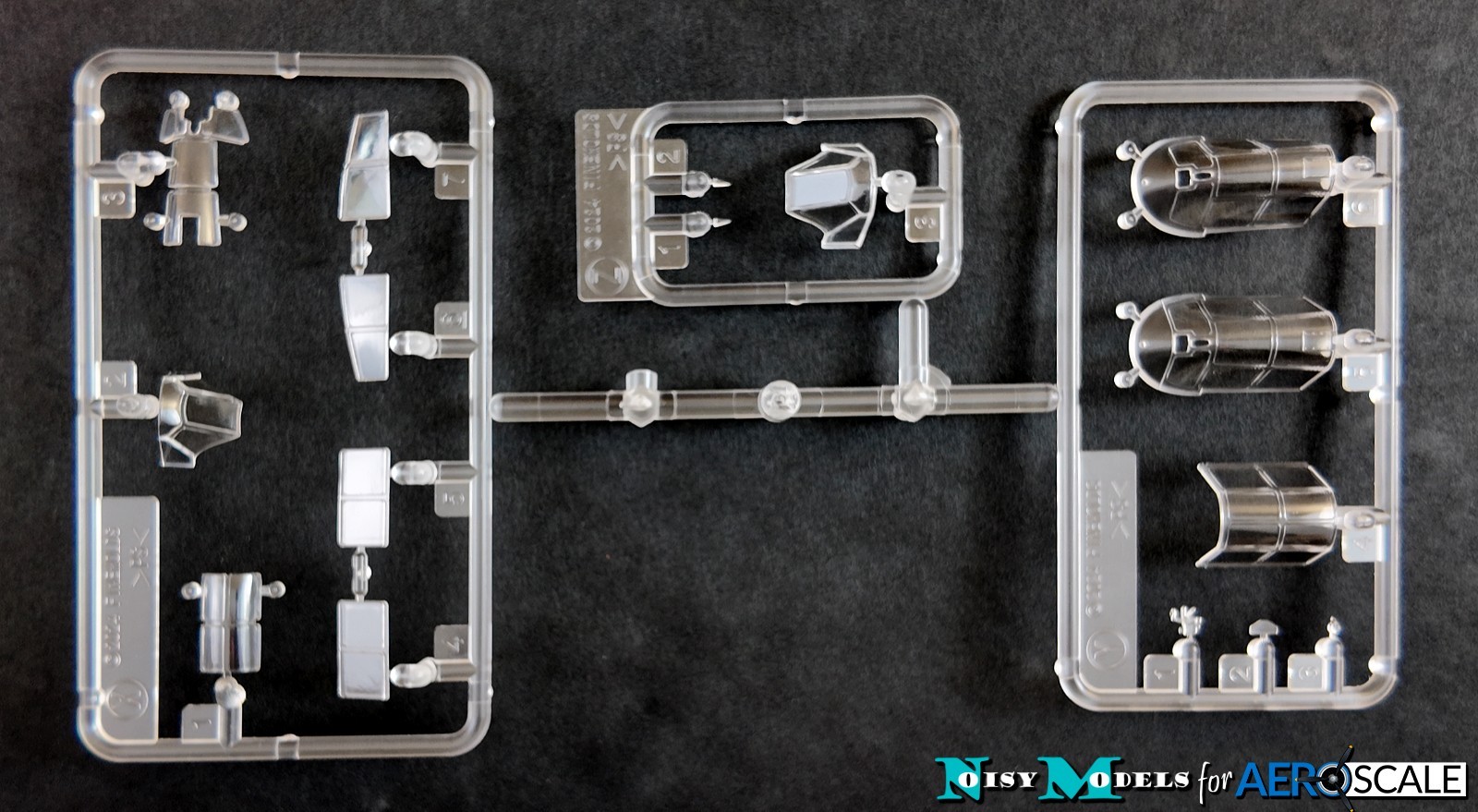
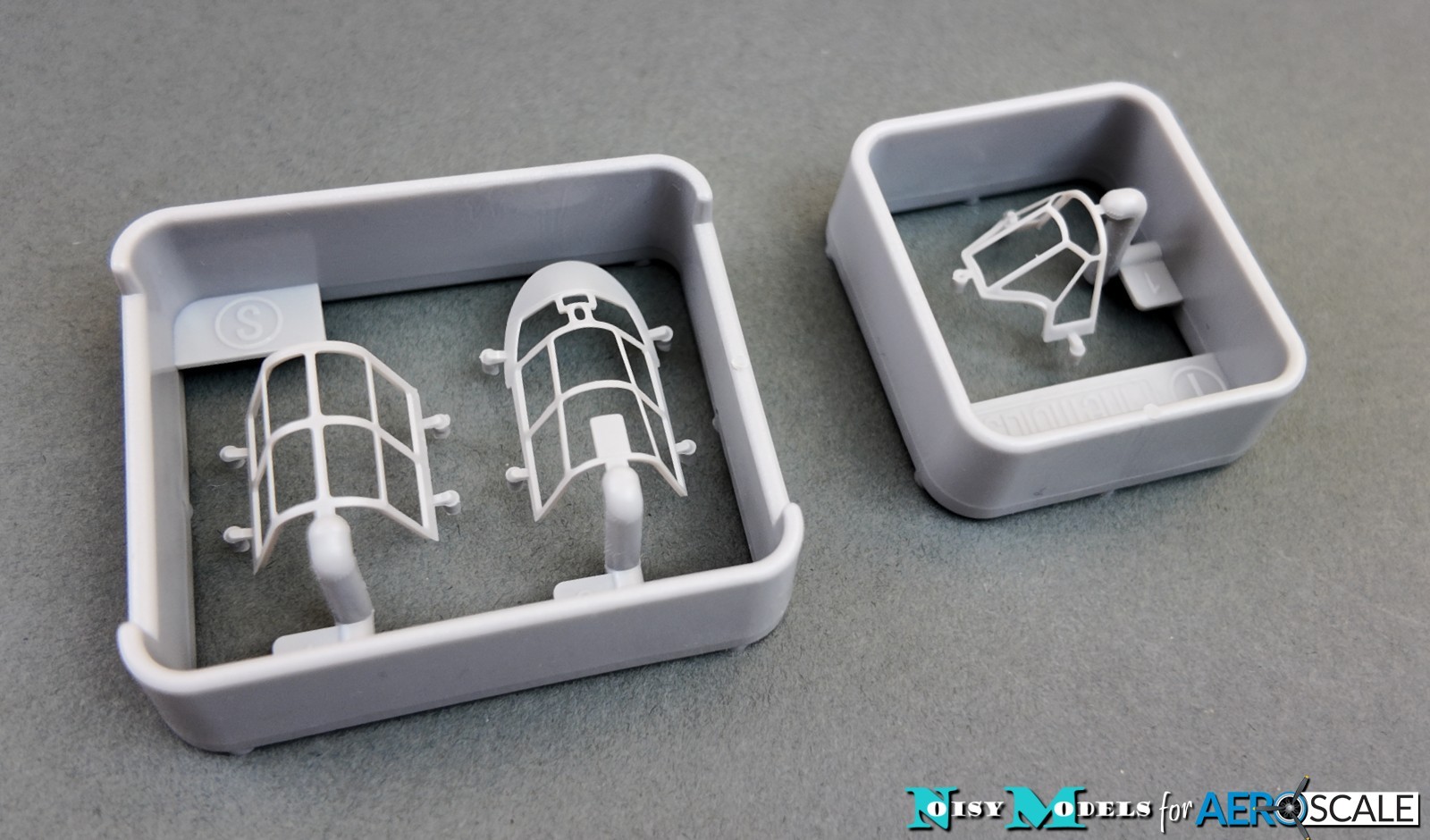
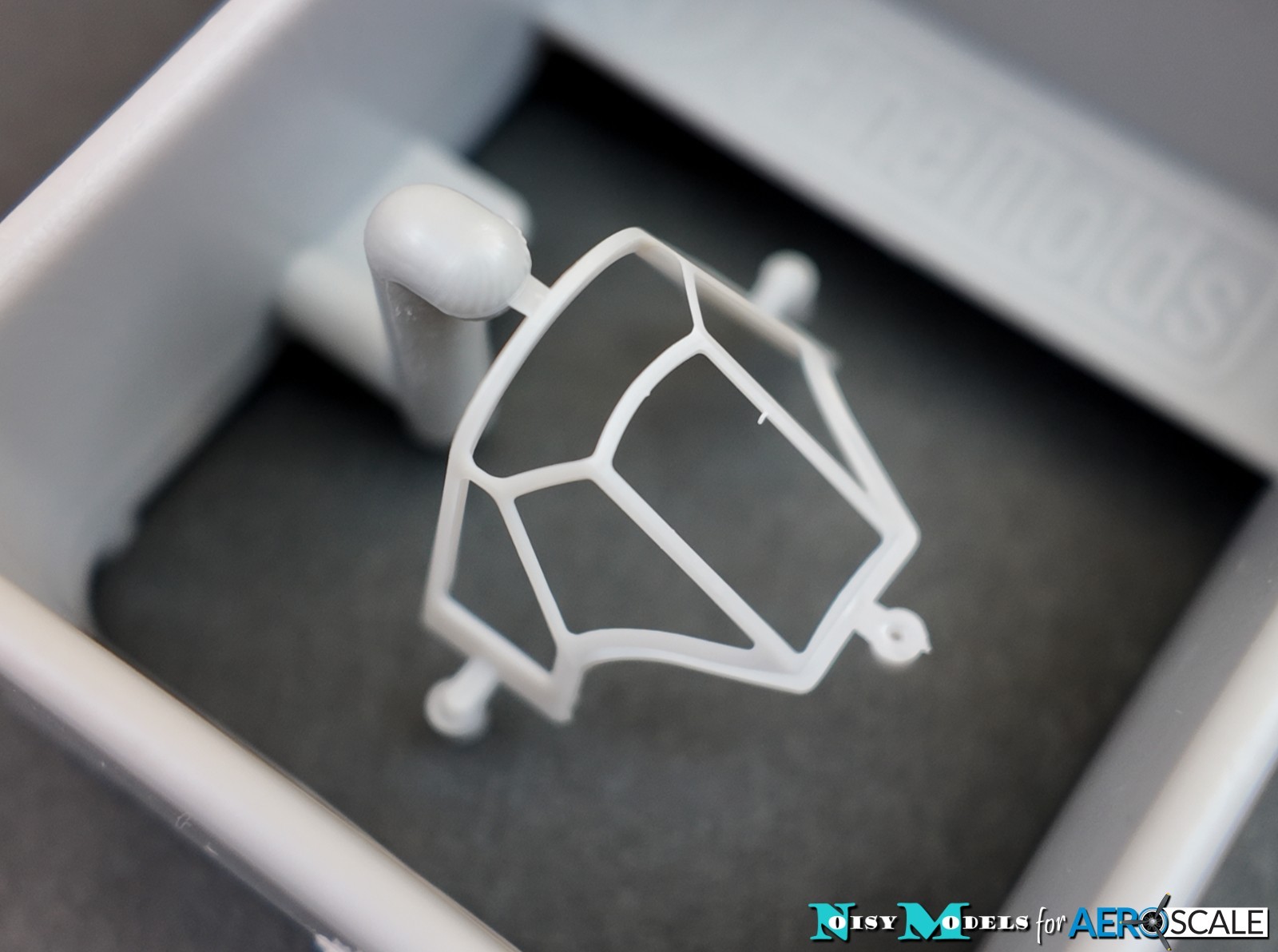
If the construction of the fuselage was novel, Fine Molds have a real surprise up their sleeve when it comes to the canopy, which is provided in two forms - a standard type that can be posed open or closed, and a second style with a combination of separate frames and clear inserts, presumably to make painting easier.
The latter approach is quite remarkable, simply for the quality of the moulding. The frames themselves are superbly delicate, and I look forward to trying out how they assemble, but I can't help but wonder if they'll look still too clumsy once the clear parts are added. Whatever, I think it will require the utmost care to get a good result.
Where I can see the separate frames on their own being perfect, though, is for a diorama or vignette depicting a wrecked aircraft, or a workshop/factory scene.
Instructions & Decals
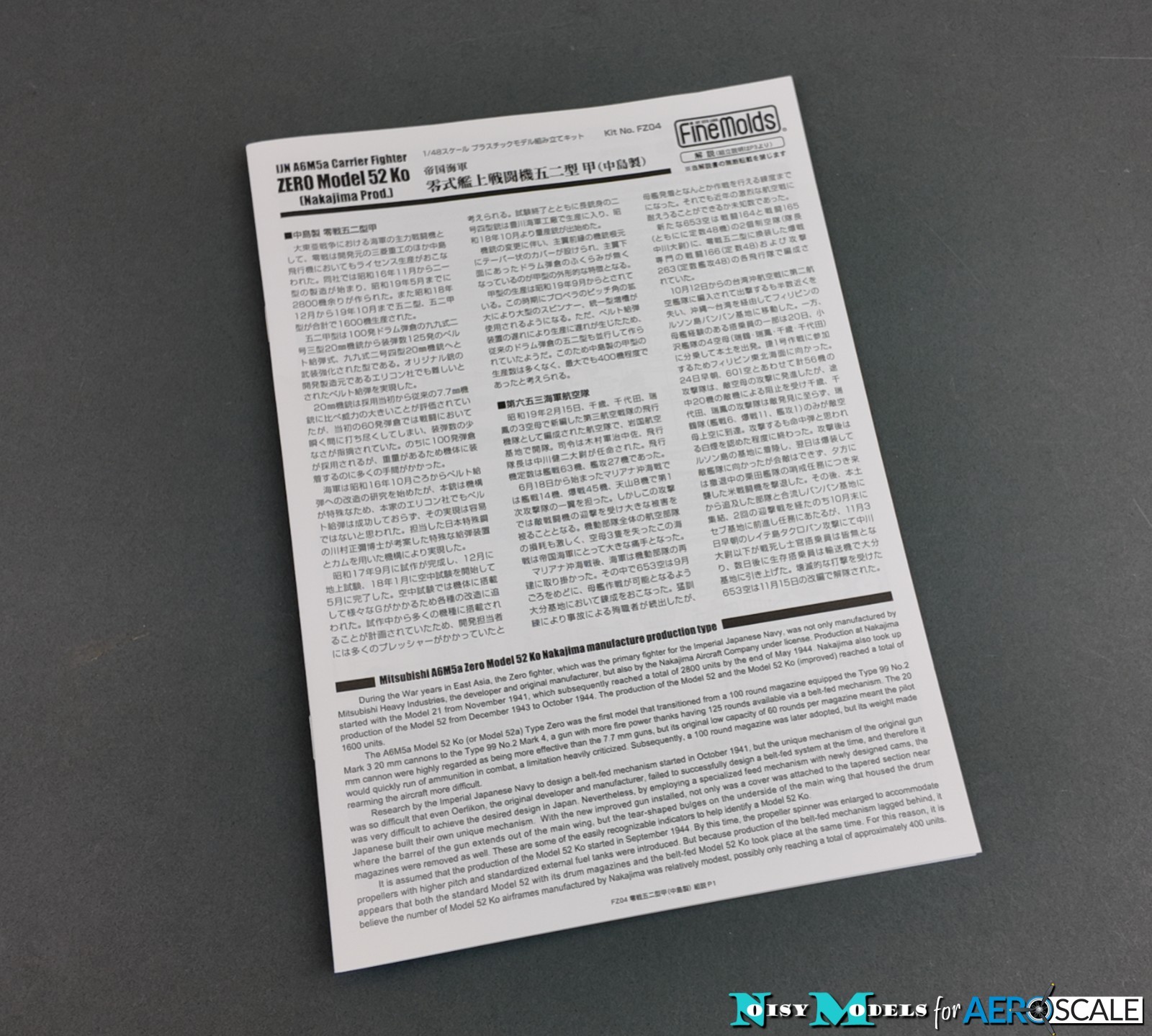
The instructions are printed in B&W as a neat 16-page booklet. The text is bi-lingual Japanese and English, with the only section that isn't translated appearing to be for ordering spare parts in Japan.
Construction is broken down into 34 steps, with clearly drawn diagrams that often include alternative angles and inset "info views". A very neat touch is that almost every stage has a QR code that you can scan to view a video tutorial on the Fine Molds website.
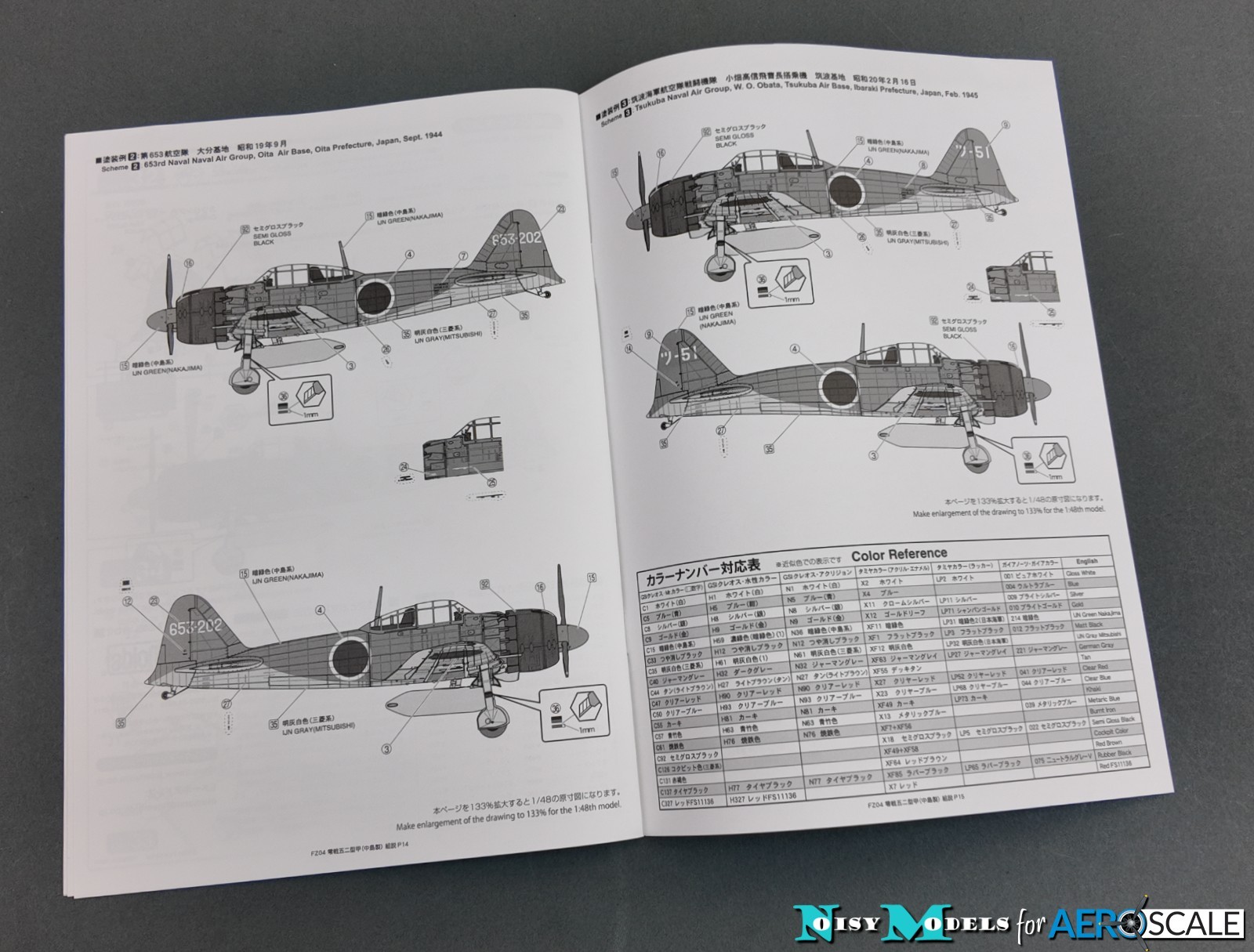
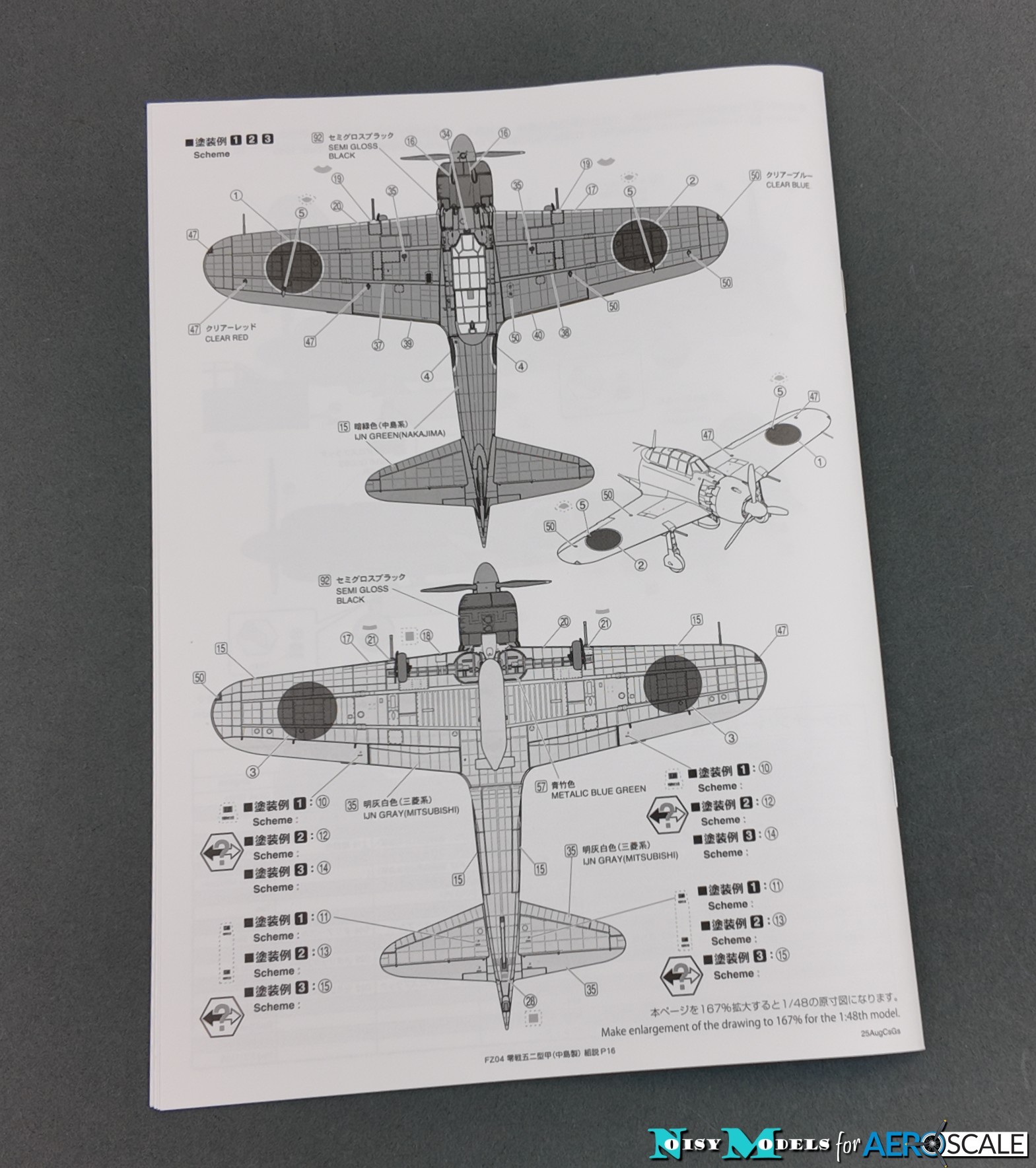
Colour matches are keyed to most parts throughout assembly, with a table for Gunze Sangyo, Tamiya and Gaianotes model paints included towards the back of the instructions.
The kit includes markings for a trio of Nakajima-built aircraft, all sporting the same basic scheme of IJN Green (Nakajima) topsides over IJN Gray (Mitsubishi) lower surfaces, so it's a shame the designers couldn't have offered a bit more variety, with maybe some field applied camouflage or a heavily weathered finish in the mix:
A. a/c 163, 653rd Naval Air Group, Oita Air Base, Japan, September 1944
B. a/c 202, 653rd Naval Air Group, Oita Air Base, Japan, September 1944
C. a/c 51, Tsukuba Naval Air Group, Tsukuba Air Base, Japan, February 1945

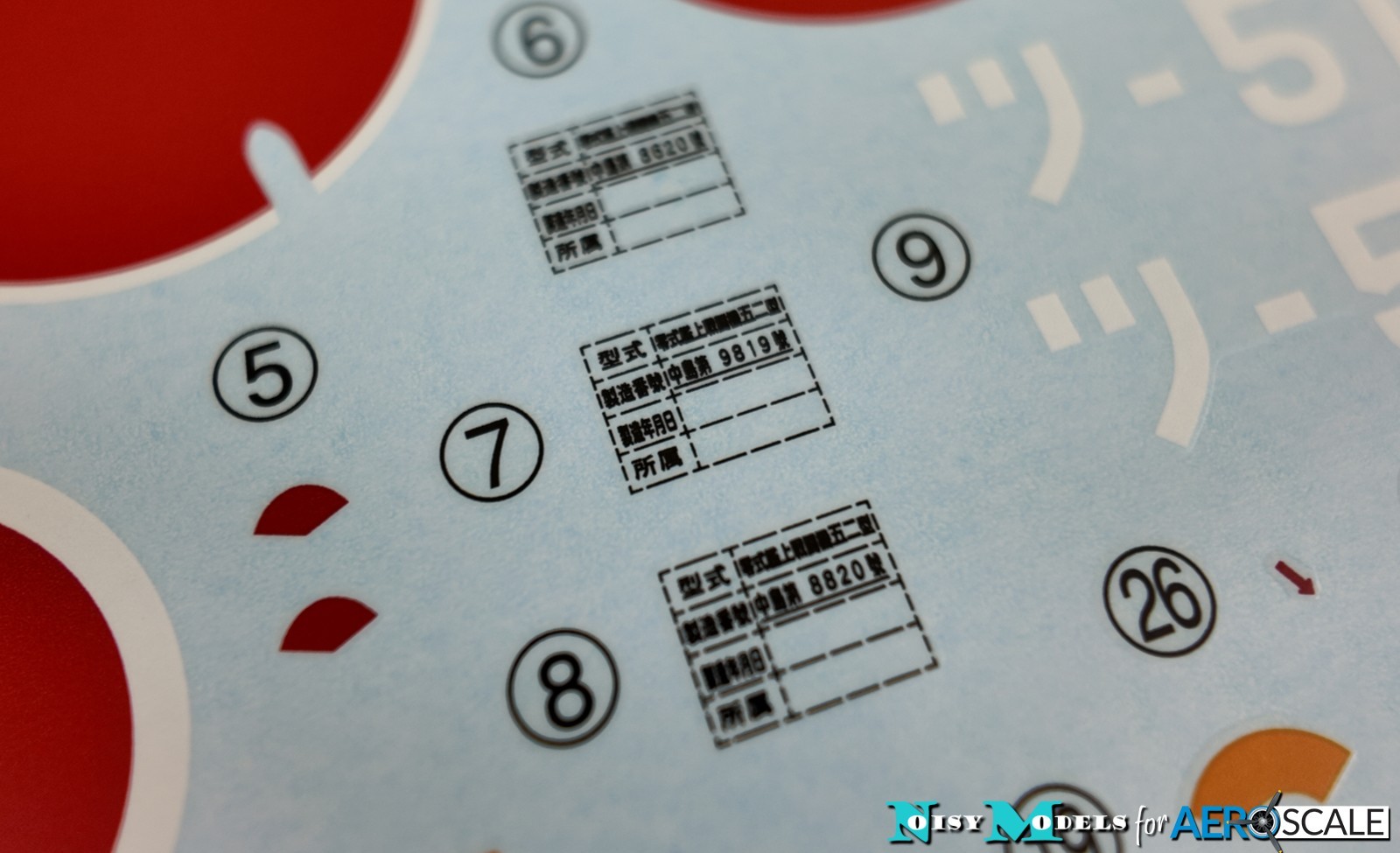
The decals appear to be excellent quality, printed in precise register and with a satin finish and minimal excess carrier film. The colours look good, with a convincing deep red for the Hinomarus.

Conclusion
Fine Molds' 1/48 Zero is definitely an unusual kit, and it embodies some really innovative moulding techniques. I approached it feeling rather sceptical of the wisdom of the designers' approach to the basic construction, but the test fit has made a convert of me. I applaud any effort to improve our modelling experiences and I'm really looking forward to tackling the model.
Some modellers will understandably question whether another 1:48 A6M5 is really needed when Tamiya and Eduard both produce excellent kits, but it absolutely makes sense for Fine Molds to have a Zero in their range of WWII Japanese fighters - in fact, it's been noticeable by its absence until this release.
I purchased my kit from Jadlam Racing. Priced at around £35 in the UK, Fine Molds' Zero represents good value for a kit of this quality.
Kit #FZ04 - A6M5a Zero Model 52 Ko (Nakajima Production) is available now from Fine Molds.
Please remember, when contacting retailers or manufacturers, to mention that you saw their products highlighted here - on AEROSCALE